


1960s Ring
When choosing a 1960s ring, you enter an era of bold experimentation, where textured gold, striking gemstones, and distinct modernist geometry redefine hand adornment.
1960s Ring
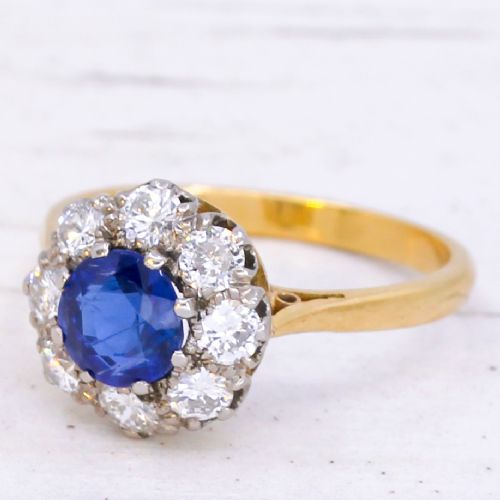
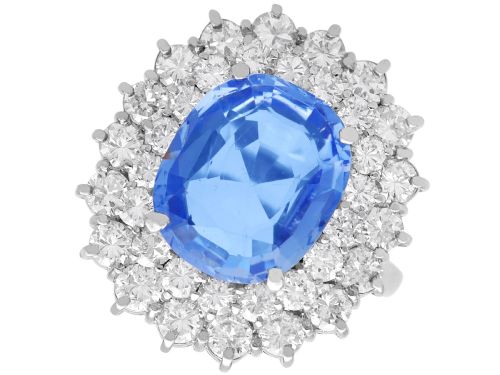
A 1960s ring encompasses everything from substantial cocktail pieces set with large coloured stones to clean wedding bands and tailored engagement rings. Buyers investigating this category encounter a diverse mix of mid-century modernist designs alongside classic cluster configurations.
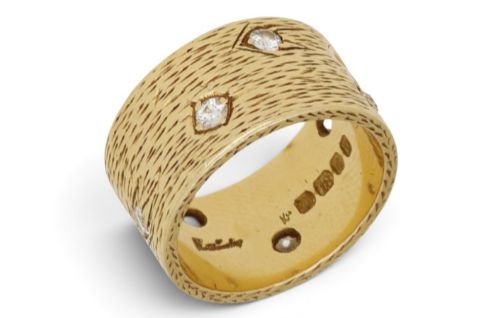
The most common examples on this page balance traditional precious metals with inventive forms, including bark-effect finishes, lattice structures, and organic silver styling originating from Scandinavia and Italy.
Materials and construction
Goldsmiths of this decade utilised both yellow and white gold in 9ct, 14ct, and 18ct purities, frequently pairing them with platinum settings for diamonds. Textured surfaces were achieved through deliberate casting techniques and hand-finishing, giving bands a tactile, organic quality.
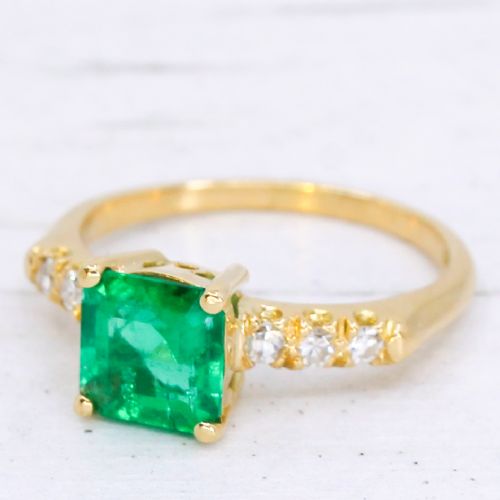
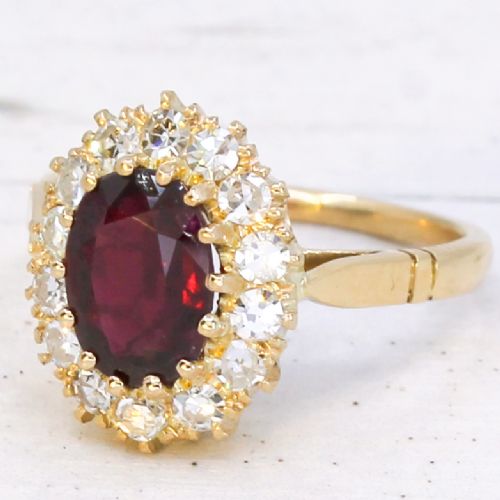
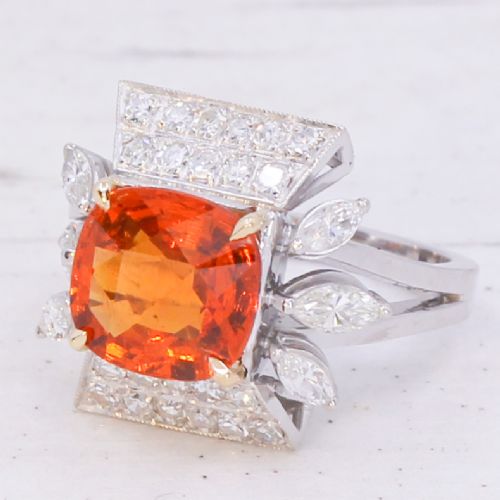
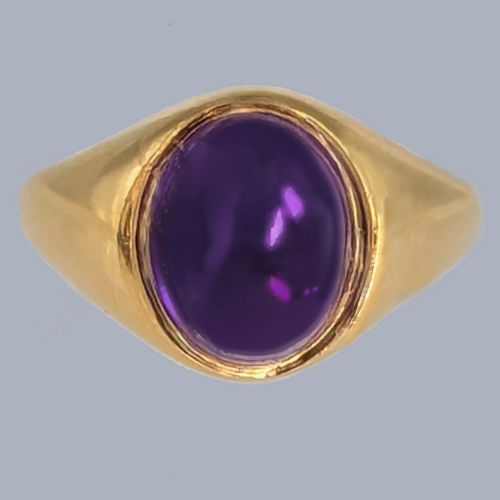
Gemstones such as sapphires, rubies, emeralds, and garnets were secured in cluster, solitaire, or crossover formations, often accompanied by brilliant-cut or old-cut diamonds to maximise light reflection within asymmetrical or geometric mountings.
1960s Ring Retail Price Guide 2026
Typical asking prices for 1960s ring among the pieces listed under this phrase on Sellingantiques today, from the lower quarter to the upper quarter. They describe what is for sale here now, not the wider market.
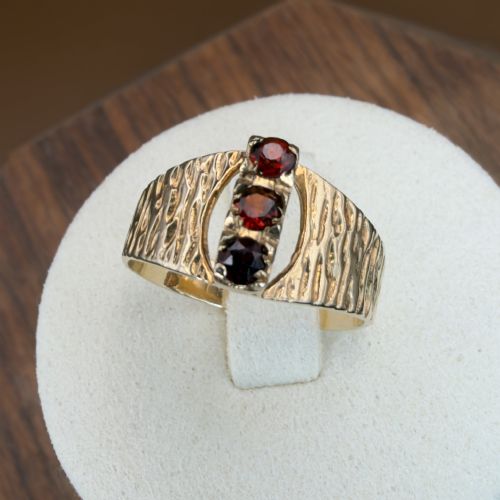
Several rings capture the era's fascination with nature by wrapping precious metal into realistic tree bark textures and organic coral clusters.
Assessing quality and execution
Quality in these pieces rests upon the solidity of the metalwork and the calibre of the central stones, distinguishing mass-produced items from signed designer creations. Substantial weight in the shank and crispness in textured or open-work patterns indicate superior craftsmanship.
The brilliance and provenance of set gems, whether unheated sapphires or fine emeralds, elevate the stature of a piece, alongside secure prong settings and clear Birmingham, London, or international hallmarks.
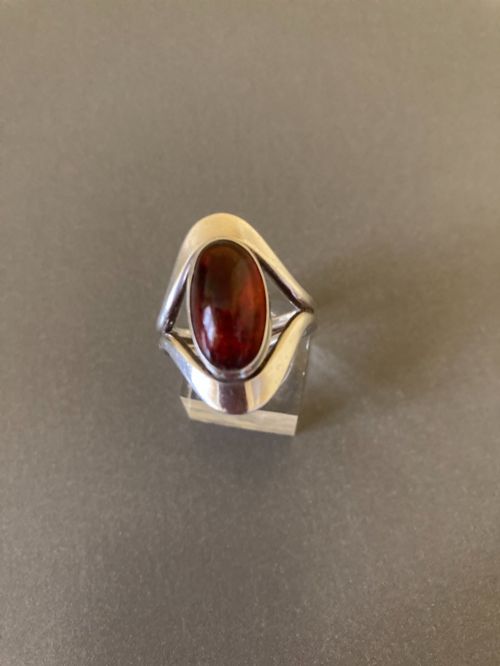
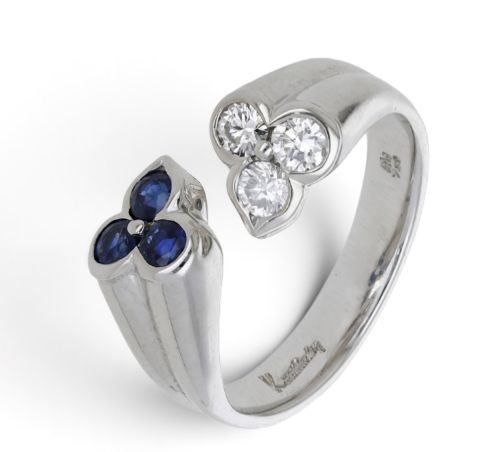
Kutchinsky·Randers Silver
The 1960s Ring Glossary
- Cluster ring
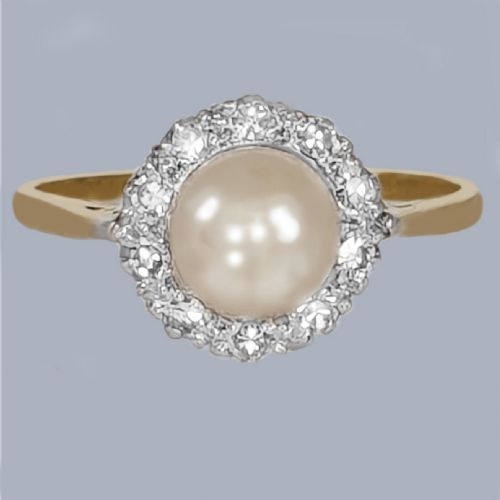
- A ring featuring a central gemstone surrounded by a group of smaller stones, frequently diamonds, creating a pronounced floral or geometric face.
- Bark effect
- A textured surface finish applied to gold that mimics the rough, linear pattern of tree bark, popular in mid-century jewellery design.
- Cocktail ring
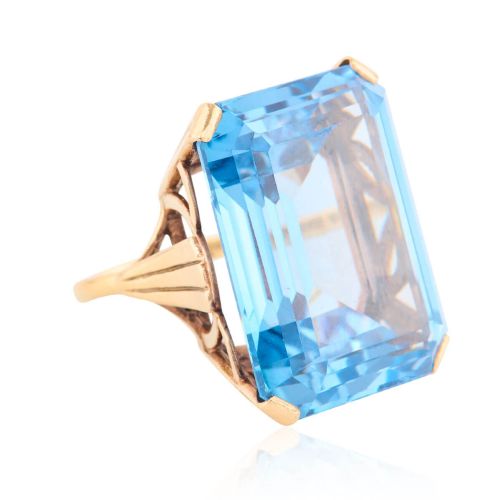
- A large, dramatic ring designed to draw attention during evening social events, typically showcasing an oversized gemstone or elaborate open-work metal.
- Crossover ring
- A style where the shank sweeps up and crosses over the finger, often terminating in two opposing stones or parallel diamond-set lines.
- Signet ring
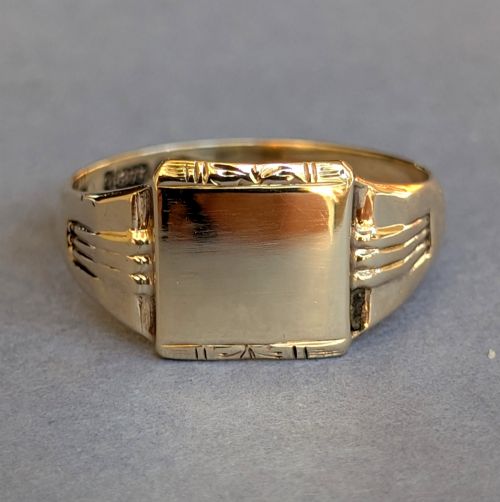
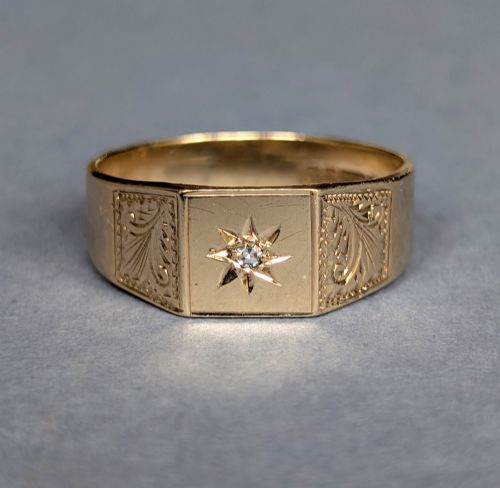
- A traditional flat-topped ring historically used for stamping seals, appearing in this era in plain gold or set with onyx and garnets.
1960s Ring: Frequently Asked Questions
What defines a 1960s ring?
These pieces are defined by their mid-century aesthetic, incorporating textured gold, sculptural silver work, and geometric modernist lines. They bridge traditional cluster designs with experimental, abstract motifs.
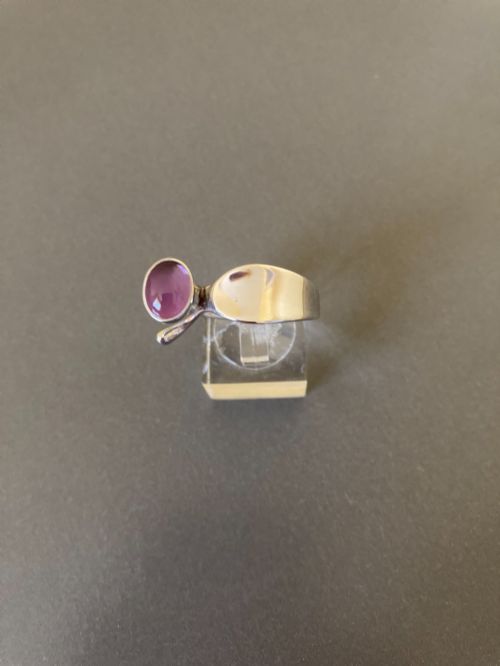
Craftsmanship from this period often employs heavy gold gauges, asymmetrical settings, and prominent coloured gemstones like aquamarines, amethysts, and sapphires.
How do I identify a mid-century style?
Look for abstract wirework, open-work scroll patterns, and distinct surface textures such as bark or matte finishes. These visual cues separate the era from earlier vintage periods.
Official hallmarks and stamps from makers or assay offices further help confirm the exact decade of manufacture.
Are these rings officially hallmarked?
A large proportion carry clear British hallmarks indicating assay offices like London or Birmingham, alongside specific purity stamps for gold and platinum. International pieces often feature maker marks or silver purity numbers.
These stamps provide reliable documentation regarding the metal content and the precise period of origin.