




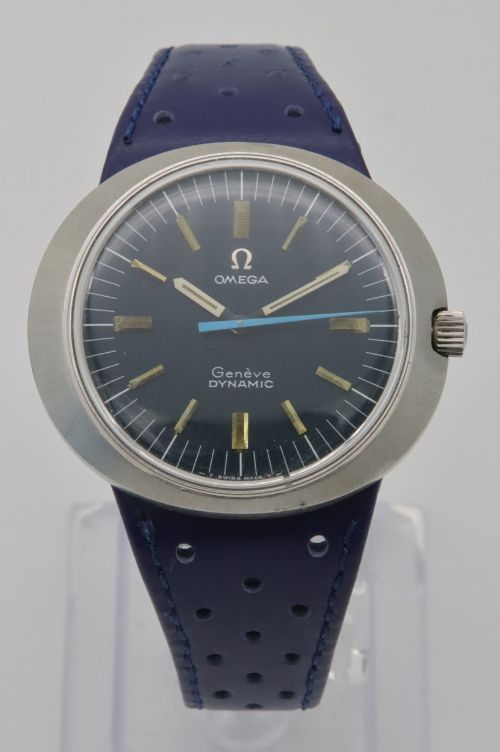
1960s Mechanical Wristwatch
A 1960s mechanical wristwatch delivers mid-century design and precision engineering to the wrist, offering both reliable daily wear and a tangible piece of horological history.
1960s Mechanical Wristwatch
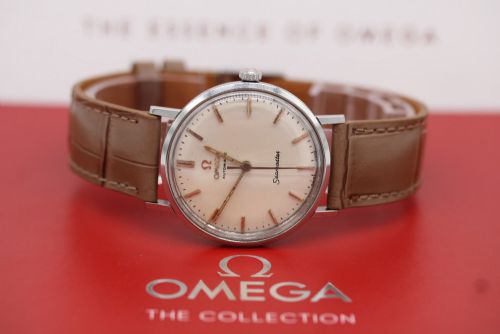
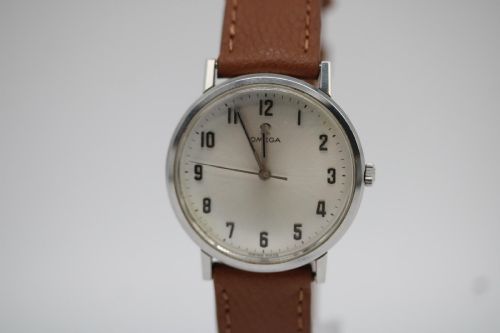
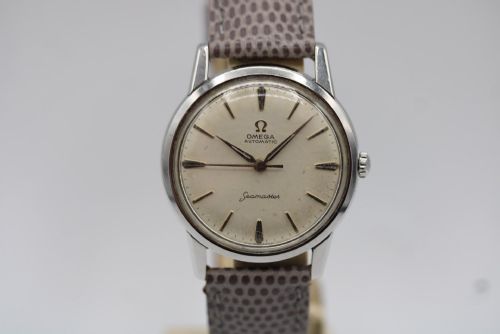
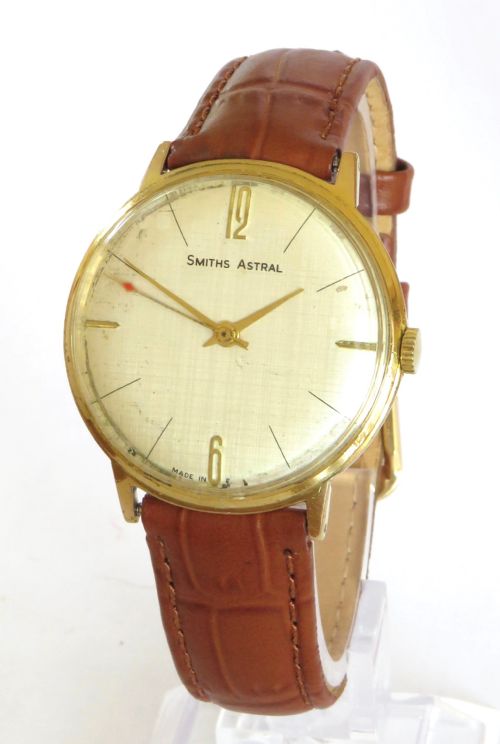
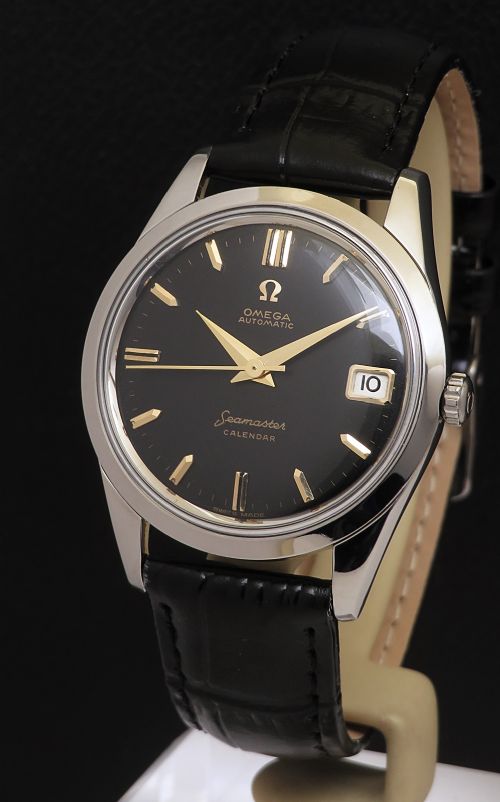
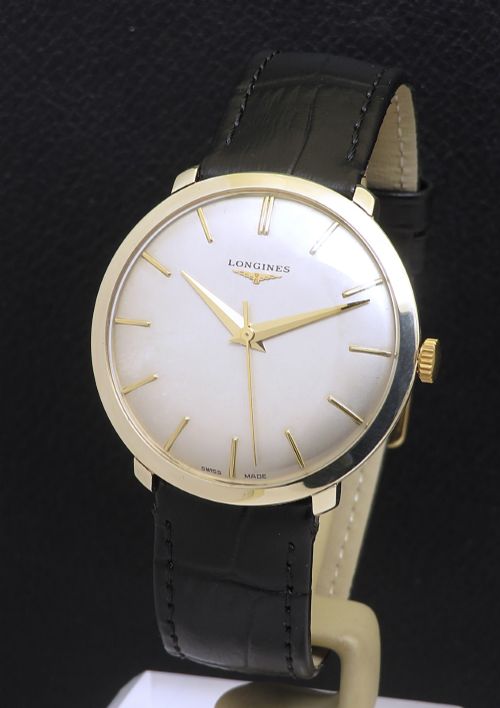
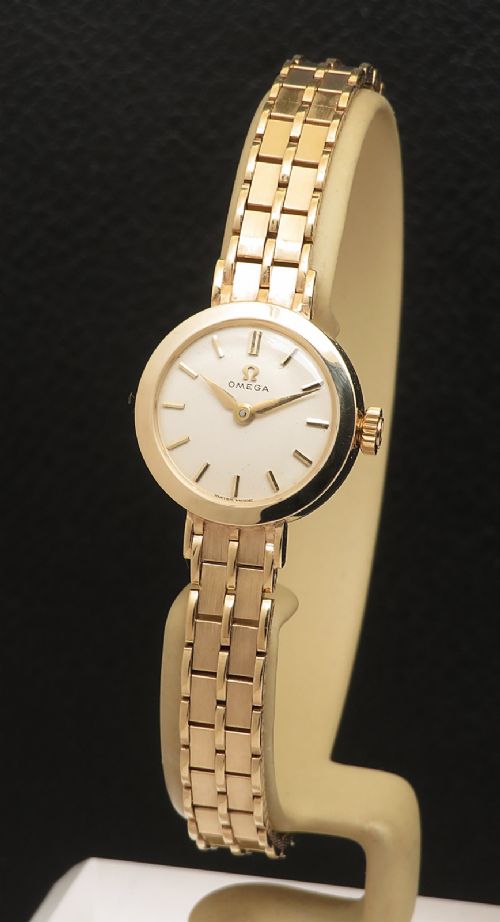
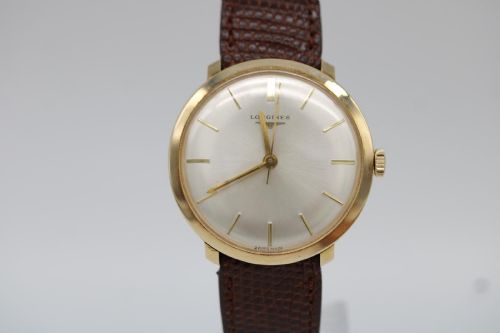
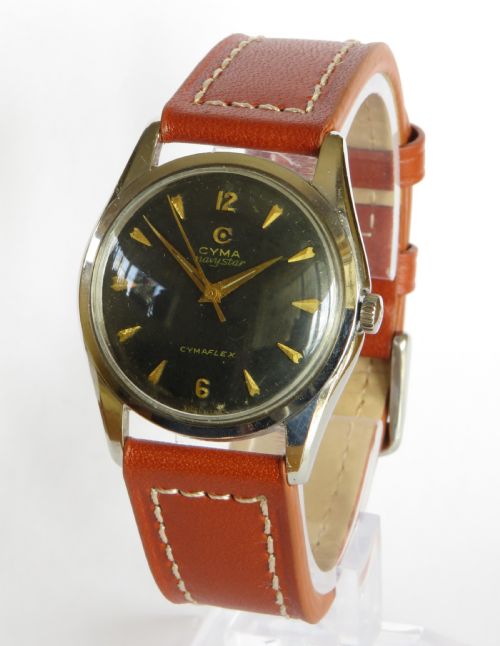
A 1960s mechanical wristwatch represents a period of significant evolution in watchmaking, spanning manual-wind and automatic movements housed in distinctive mid-century cases. Buyers seeking these timepieces encounter robust stainless steel utility models alongside refined precious metal dress watches.
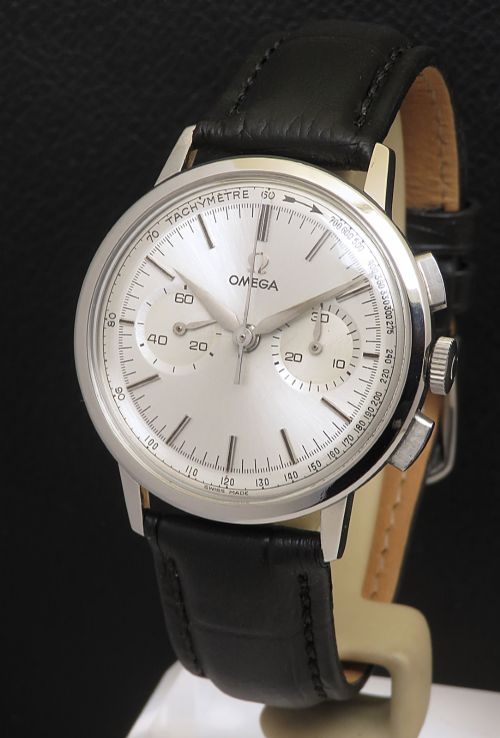
The selection ranges from military-influenced designs and aviation chronographs to sleek dress variants bearing signatures from prominent Swiss and British makers. Most pieces on this page originate from the decade spanning 1960 to 1969, reflecting the classic aesthetic codes of mid-century modernism.
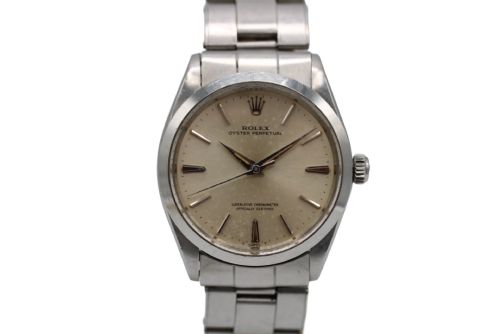
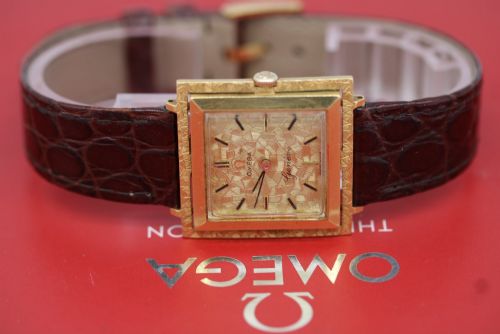
Formats vary widely between round waterproof oyster cases, square geometric shapes, and specialised sports chronographs with distinctive dials. These watches appeal to collectors who appreciate mechanical gear trains over quartz movements and desire an authentic accessory from the mid-century era.
Materials and construction methods
Watchmakers of this decade utilised durable stainless steel and various grades of gold, including solid nine-carat and eighteen-carat white gold, alongside gold-plated housings. Dials were protected by clear acrylic or glass crystals, while straps were fashioned from supple leather to ensure comfortable wear.
Movements relied on intricate brass gear trains, jewelled bearings, and steel springs, assembled by hand to maintain accurate timekeeping without battery power. Cases were engineered to accommodate manual-wind mechanisms or rotor-driven automatic systems, often incorporating dust-resistant and water-resistant seals.
1960s Mechanical Wristwatch Retail Price Guide 2026
Typical asking prices for 1960s mechanical wristwatch among the pieces listed under this phrase on Sellingantiques today, from the lower quarter to the upper quarter. They describe what is for sale here now, not the wider market.
Drivers editions positioned the dial sideways so motorists could check the time without taking their hands off the steering wheel.
Distinctions in horological quality
Quality in a mid-century timepiece is defined by the sophistication of its internal movement, such as chronometer certification and the number of operational jewels. Higher-tier examples feature meticulously finished calibres designed for superior accuracy and longevity under regular use.
The integrity of the exterior components also dictates value, with original dials, signed crowns, and unpolished gold or steel cases commanding greater appreciation. Preservation of accessories like original boxes and papers further distinguishes exceptional specimens from standard survivors.
Omega·Tudor·Cyma·Rone·IWC·Avia·Seiko·Marvin·Tissot·Bulova·Certina·Smiths Astral·Zenith·Ensign·Eterna·Girard Perregaux·Garrard·Breitling·Longines
The 1960s Mechanical Wristwatch Glossary
- Calibre
- The specific internal movement design and manufacturer designation of a watch. This number identifies the exact mechanical engine housed inside the case.
- Chronometer
- A high-precision watch that has passed rigorous accuracy tests conducted by an official observatory. These movements represent the upper tier of mechanical reliability.
- Automatic
- A self-winding mechanical movement powered by the natural motion of the wearer's wrist via an internal oscillating rotor. It removes the need for daily manual winding.
- Acrylic glass
- A lightweight, shatter-resistant synthetic material used for watch crystals during the period. It can be easily polished to remove minor surface scratches.
- Chronograph
- A watch equipped with a stopwatch function alongside its primary timekeeping display. These complications often feature dedicated sub-dials and pusher buttons on the case flank.
1960s Mechanical Wristwatch: Frequently Asked Questions
How do I wind a manual watch?
Gently rotate the crown clockwise between your thumb and forefinger until you feel gentle resistance. Stop immediately at that point to avoid over-tensioning the mainspring.
Mileage varies by calibre, but a fully wound watch typically runs for around thirty-six to forty-eight hours before requiring another turn.
Are these watches waterproof?
Most vintage timepieces lack modern water-resistance standards due to age and degraded rubber gaskets. Exposure to heavy rain or immersion should be avoided unless a watchmaker has recently pressure-tested the seals.
Treat the case as water-resistant only in historical terms, suitable for dry daily wear rather than swimming.
How often should they be serviced?
Mechanical movements require periodic cleaning and fresh lubrication every three to five years to prevent wear on the metal pivots and gears. Regular servicing ensures the internal oils do not congeal and impede accuracy.
A properly maintained movement can run reliably for generations.