

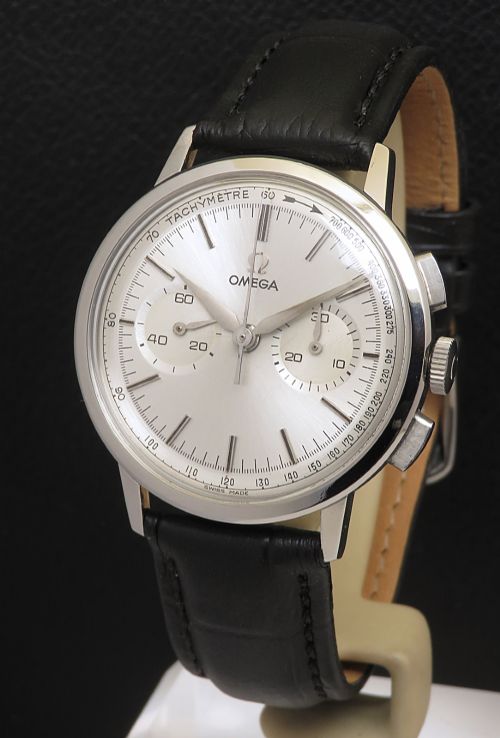
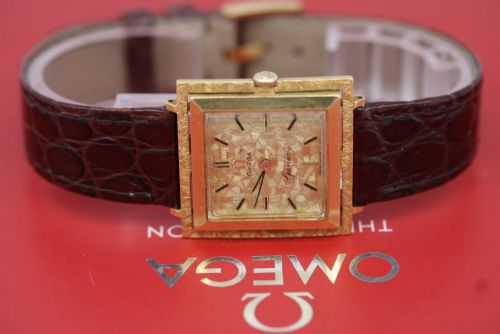
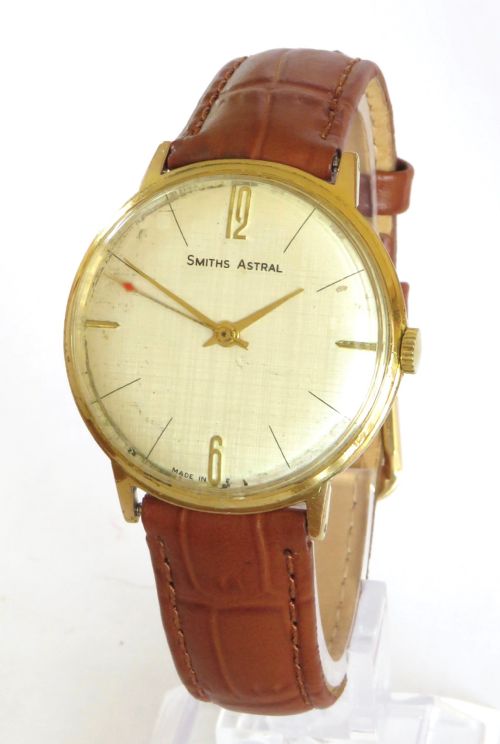
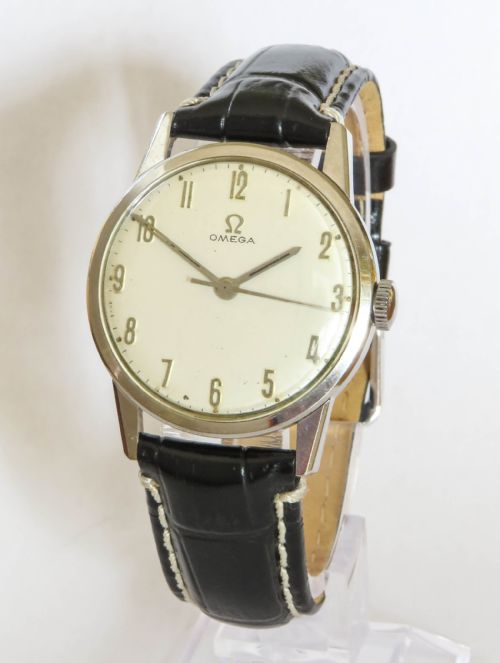
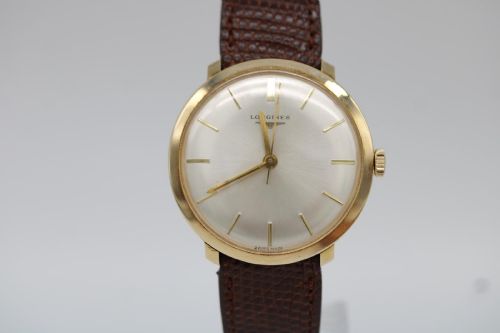
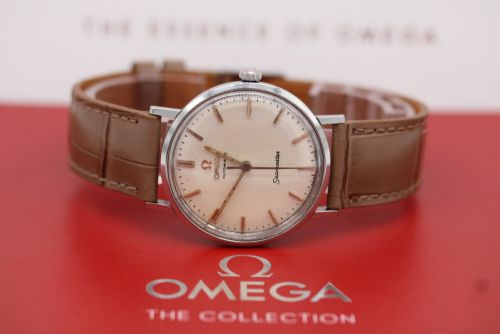
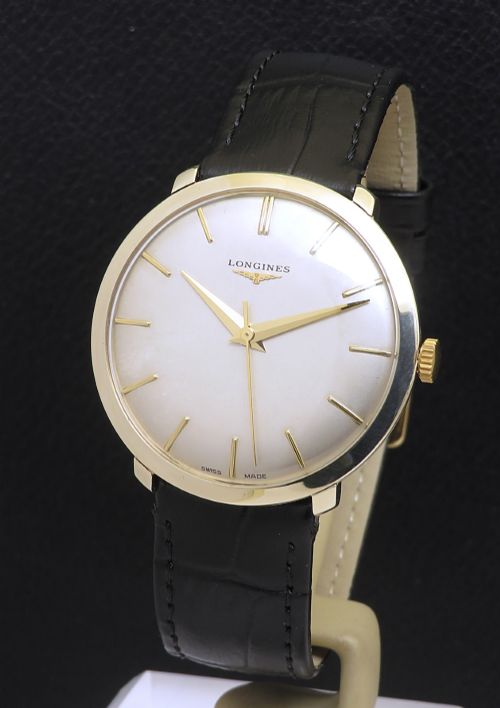
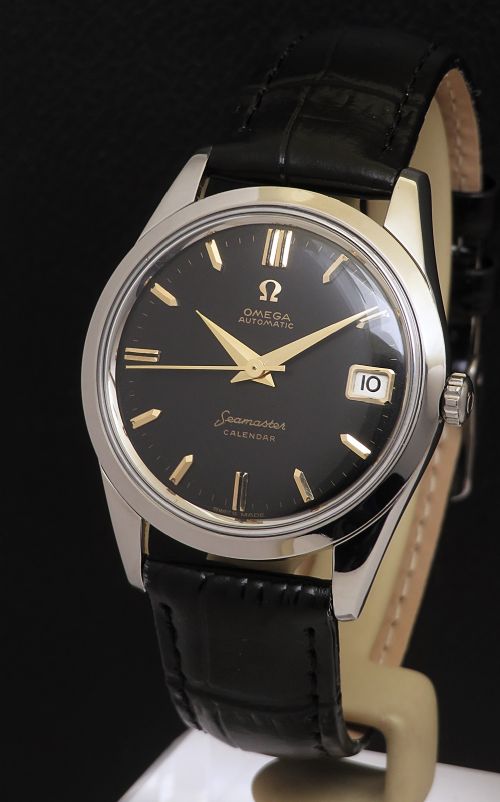
1960s Mechanical Mens Watch
A 1960s mechanical mens watch delivers clean mid-century design combined with traditional hand-wound or automatic movements.
1960s Mechanical Mens Watch
A 1960s mechanical mens watch comprises wristwatches spanning manual wind and automatic calibres from the decade. These pieces represent the standard form of timekeeping before quartz movements transformed horology.
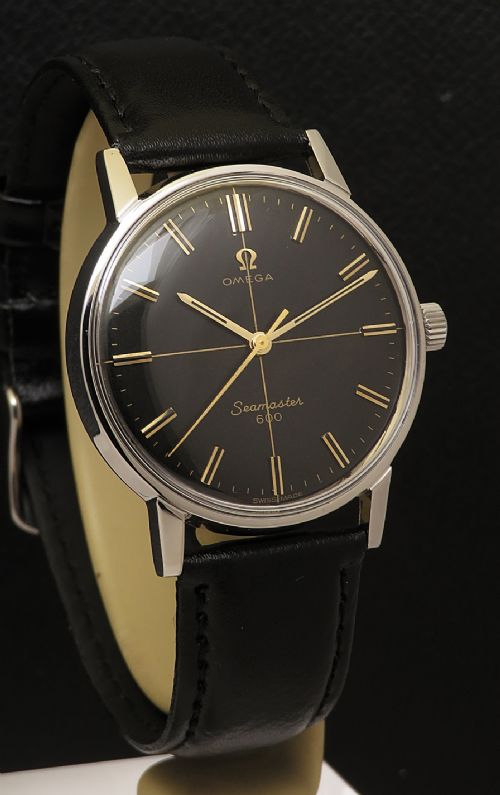
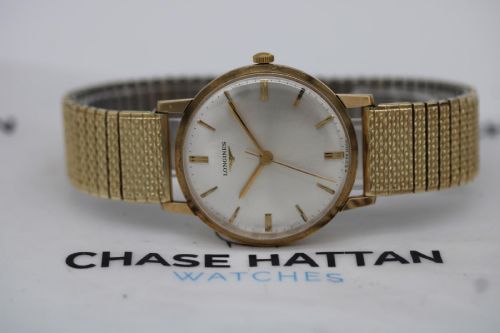
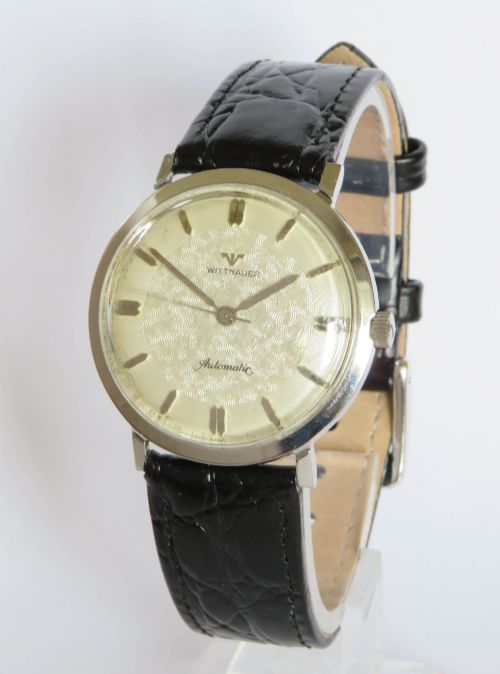
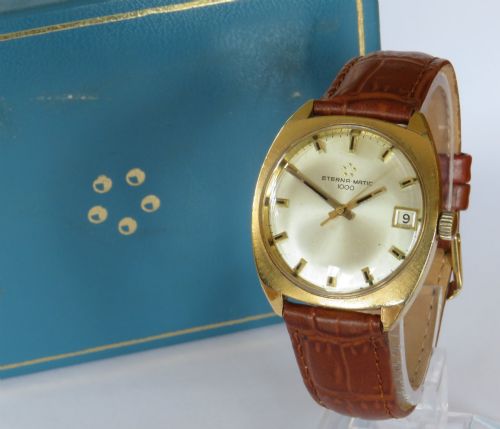
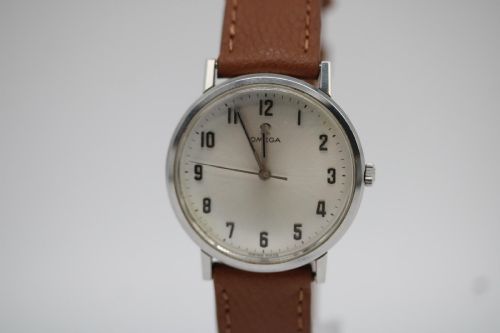
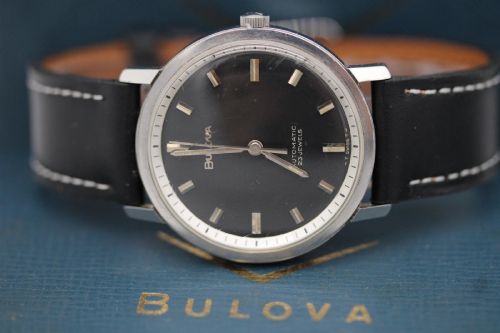
The selections here include round dress watches and robust chronographs housed in stainless steel, gold plate and solid 9ct gold cases. Many examples showcase mid-century modern aesthetics with minimalist dials and slim profiles.
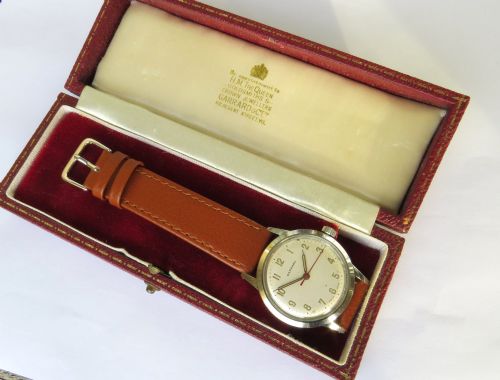
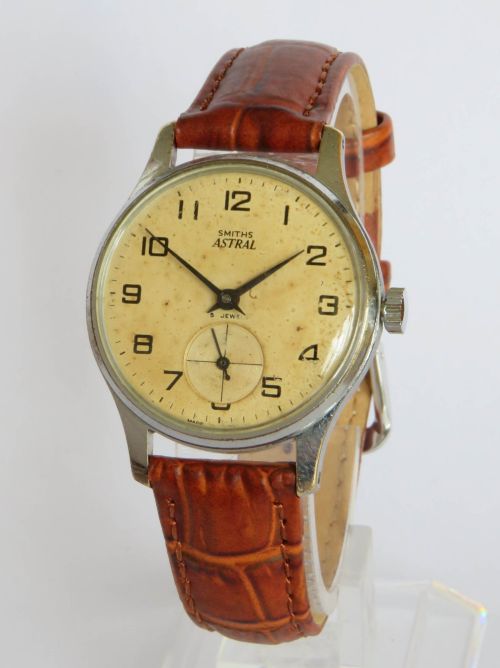
Most entries originate from established Swiss and British makers focusing on gents wrist watches with leather straps and acrylic glass crystals. The decade encompasses straightforward daily timepieces alongside specialised aviation and calendar models.
Materials and Movements
Watchmakers of the period constructed cases primarily from stainless steel or solid 9ct gold, often applying gold plate over base metal for dressier editions. Dials featured applied metal markers and protected glass or acrylic crystals.
Internal mechanisms rely on complex gear trains driven by mainsprings, requiring either manual winding or kinetic energy from an automatic rotor. Leather straps completed the assembly, paired with metal pin buckles.
1960s Mechanical Mens Watch Retail Price Guide 2026
Typical asking prices for 1960s mechanical mens watch among the pieces listed under this phrase on Sellingantiques today, from the lower quarter to the upper quarter. They describe what is for sale here now, not the wider market.
Drivers editions feature rotated dials so motorists could check the time effortlessly while keeping both hands firmly on the steering wheel.
Evaluating the Pieces
Quality rests in the preservation of the original dial texture, case edges and movement components. Unpolished steel or gold cases retain sharper lines and factory finishes that elevate the piece.
Mechanical precision depends on the condition of the internal calibre and whether original signed crowns and boxes accompany the watch. Clean, serviced movements operating within historical tolerances distinguish superior examples from standard specimens.
Garrard·Smiths Astral·Longines·Wittnauer·Eterna Matic·Omega·Bulova·IWC·Tudor·Gruen Precision·Avia·Seiko Sportsman·Marvin Hermetic·Tissot Visodate·Certina
The 1960s Mechanical Mens Watch Glossary
- Calibre
- The specific internal movement designation assigned by the manufacturer. This identifier helps pinpoint the exact mechanical lineage of the watch.
- Automatic
- A self-winding movement powered by the natural motion of the wearer's wrist. An internal weighted rotor tensions the mainspring continuously.
- Manual wind
- A movement requiring the wearer to turn the crown by hand to tension the mainspring. These watches lack an automatic rotor.
- Acrylic glass
- A lightweight plastic crystal material commonly fitted to vintage dials. It offers flexibility and can be polished to remove surface scratches.
- Chronometer
- A high-precision watch movement that has passed official accuracy tests. These mechanisms maintain strict timekeeping standards under various temperatures and positions.
1960s Mechanical Mens Watch: Frequently Asked Questions
How do I wind a manual watch?
Rotate the crown clockwise between your thumb and forefinger until you feel gentle resistance. Stop immediately to avoid over-winding and damaging the internal mainspring.
Perform this action at a consistent time each day if you wear the piece regularly. Avoid winding while the watch is on your wrist to prevent strain on the winding stem.
Are these watches water resistant?
Vintage timepieces from this era do not offer modern water resistance standards. Rubber seals and gaskets degrade over decades, leaving movements vulnerable to moisture.
Keep the watch away from swimming, showers and heavy rain. Accidental splashes require immediate drying around the crown and crystal.
How often should a mechanical watch be serviced?
Mechanical movements require periodic cleaning and lubrication of internal pivots and gears. Watchmakers typically recommend professional maintenance every three to five years.
Regular servicing prevents older oils from gumming up the gear train. This upkeep ensures consistent timekeeping and preserves delicate metal components from premature wear.
Can I wear a vintage watch daily?
These pieces suit everyday wear provided you observe basic precautions regarding moisture and physical impact. Many collectors enjoy rotating several models through their weekly routine.
Remove the watch during rigorous physical activities or manual labour. Treating the acrylic crystal and gold or steel case with care ensures longevity.