
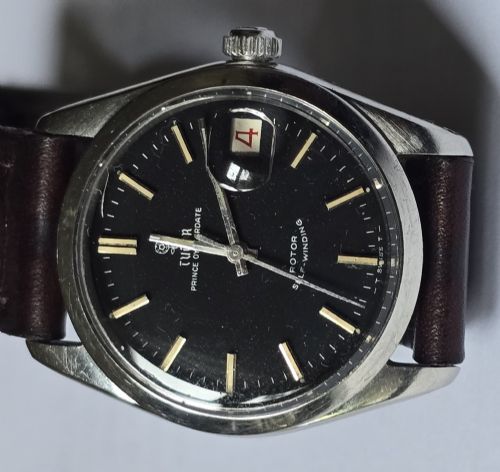
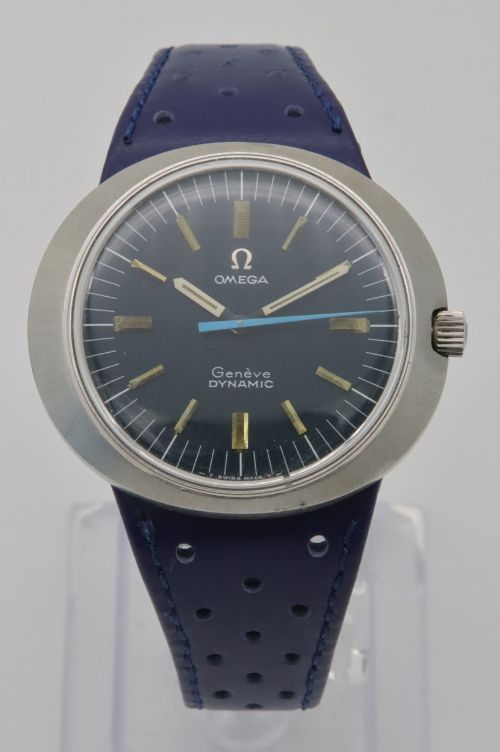
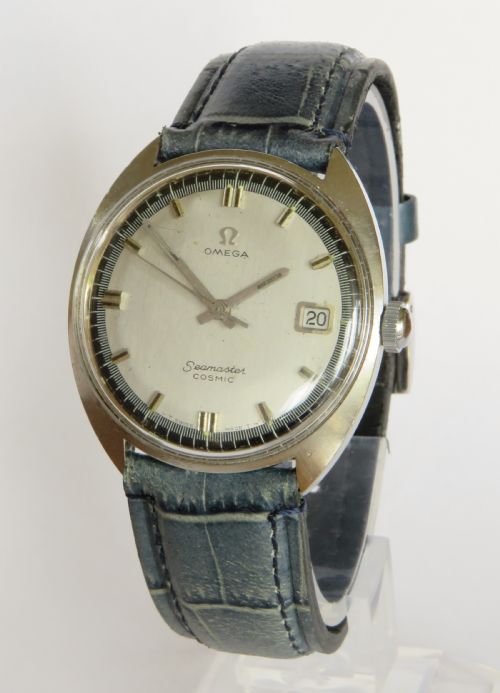
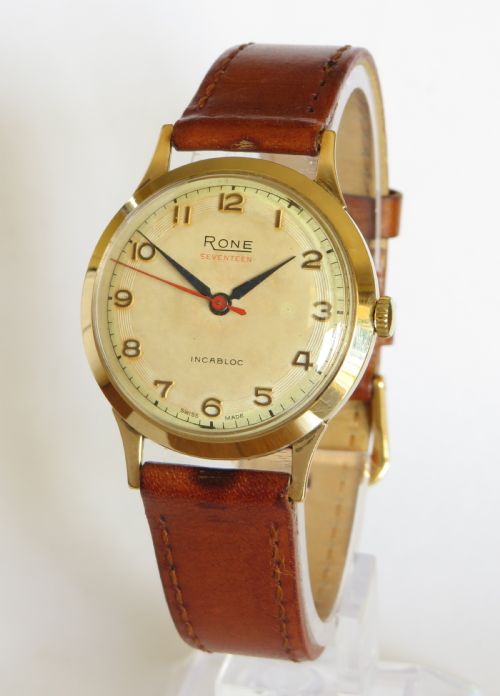
1960s Luxury Watch
A 1960s luxury watch delivers mid-century design and precision engineering, offering collectors enduring mechanical character on the wrist.
1960s Luxury Watch
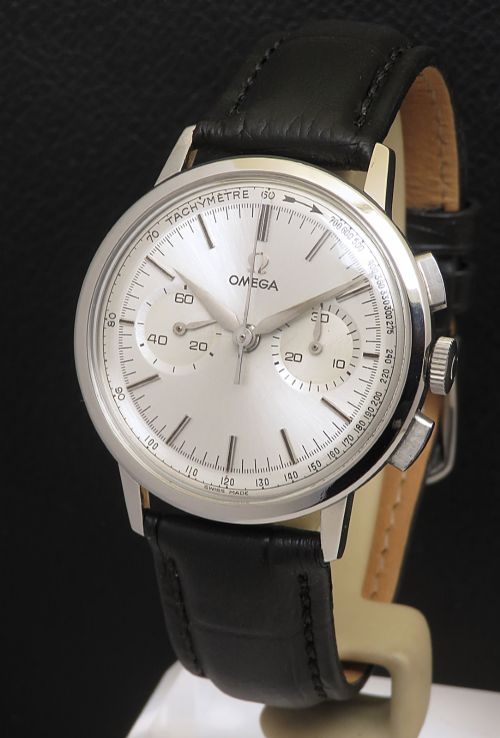
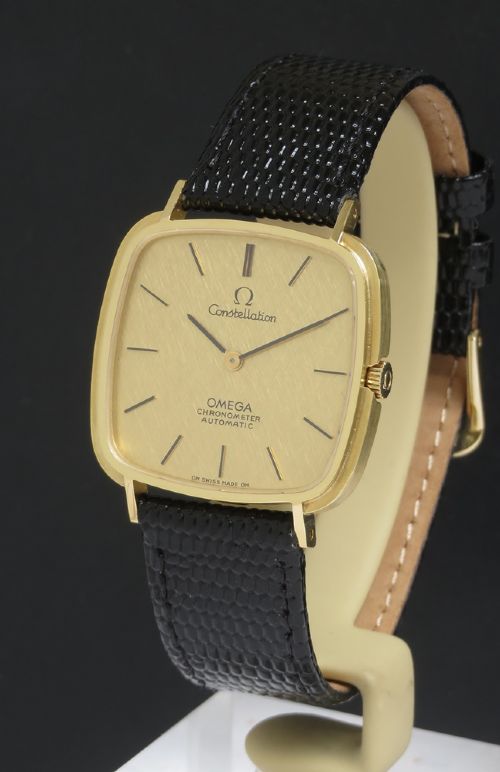
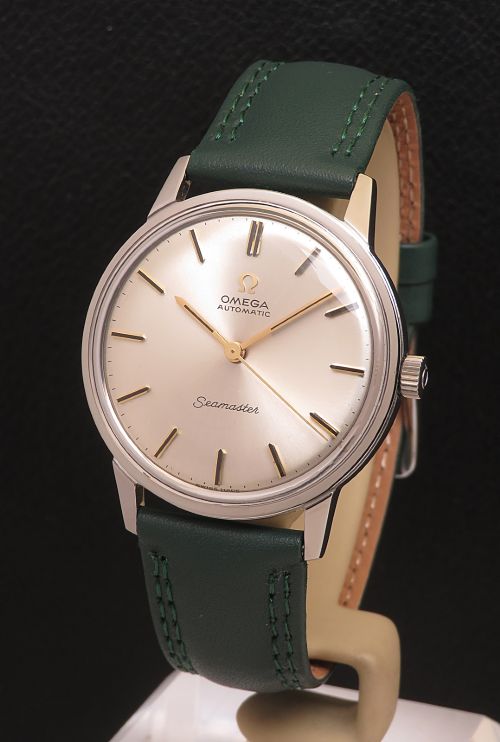
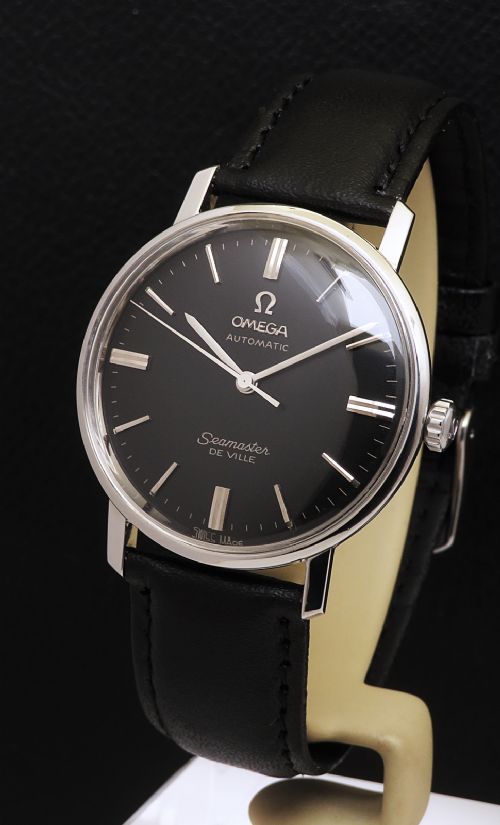
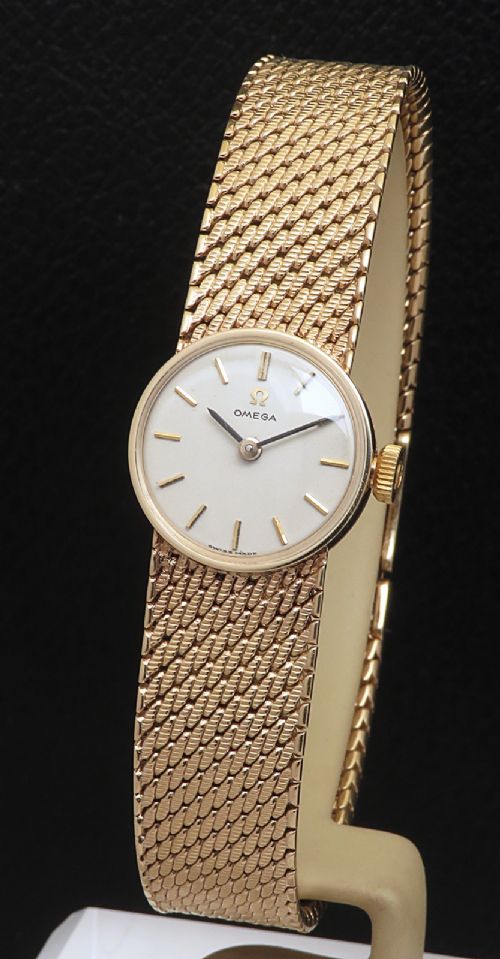
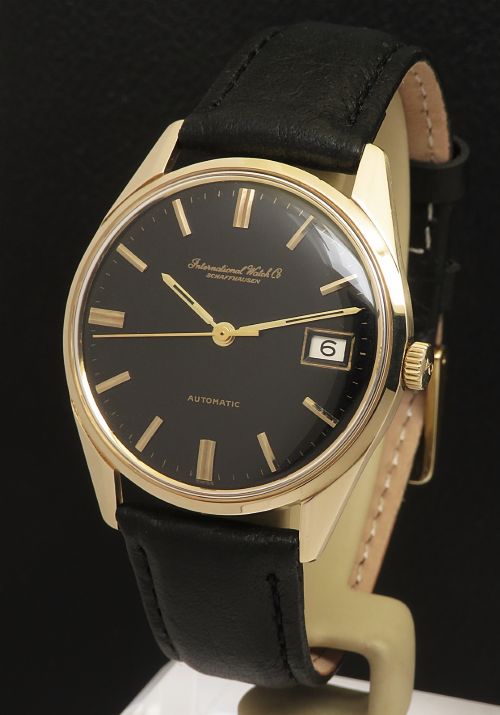
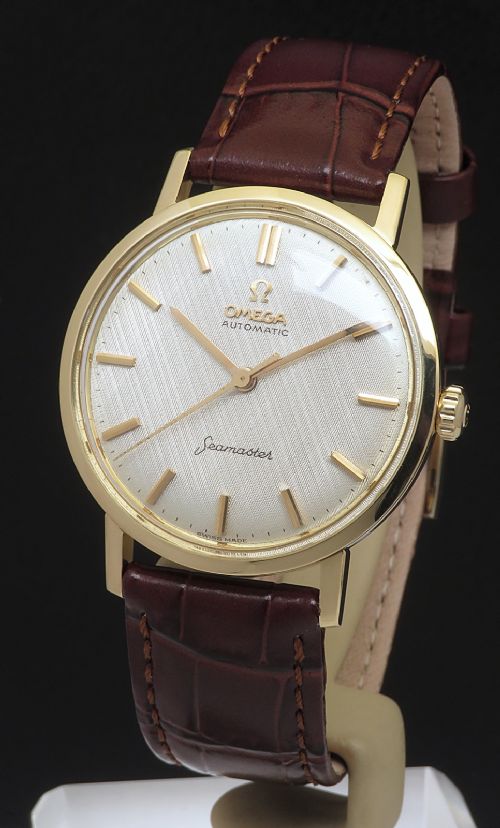
When you search for a 1960s luxury watch, you encounter wristwatches, cocktail watches, and chronographs defined by mid-century modern aesthetics. These pieces reflect the shift toward streamlined dials and durable automatic or manual movements during a transformative decade in horology.
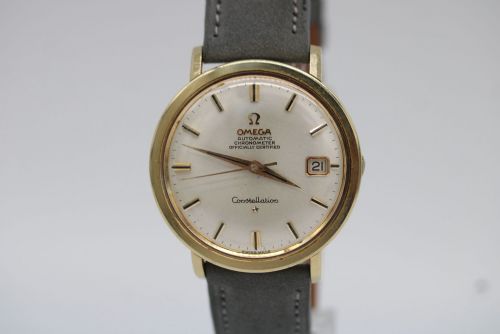
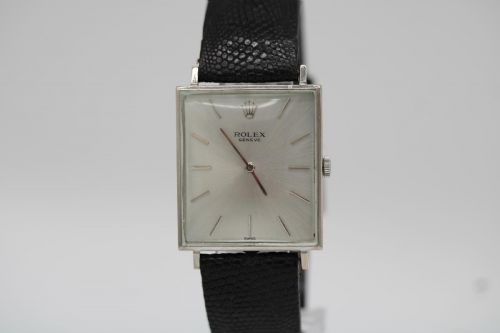
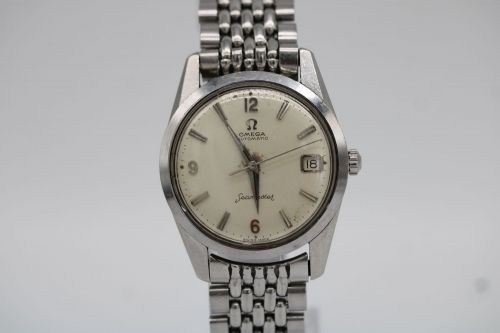
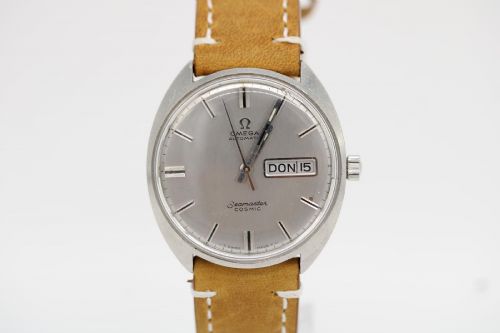
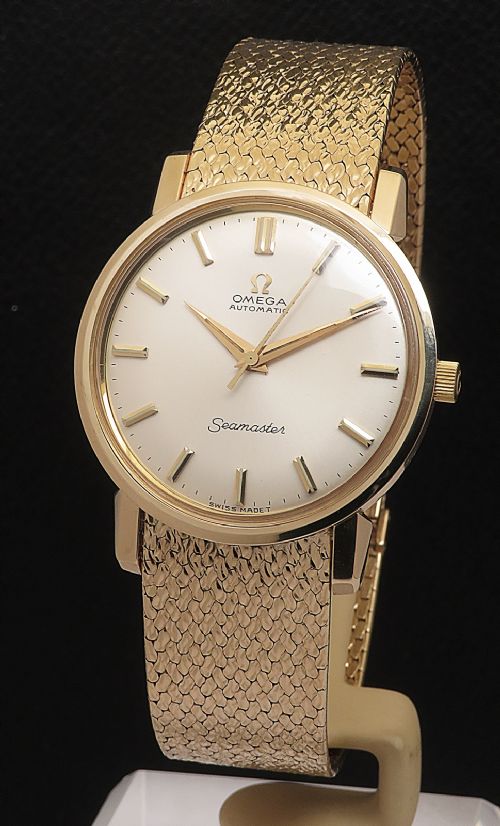
The version you are most likely to meet on this page is an Omega Seamaster or Constellation, often housed in solid 9ct or 18ct gold, or stainless steel. Alongside these, names like Rolex, Tudor, and Longines appear regularly in forms ranging from robust pilots' chronographs to delicate diamond-set cocktail pieces.
Materials and construction
Cases combine precious metals such as 9ct gold, 18ct white gold, and gold-plated brass with durable stainless steel, complemented by acrylic crystals and glass. Leather straps complete the assembly, often paired with matching original buckles.
Movements rely on precision mechanical engineering, spanning manual wind calibres and self-winding automatic mechanisms. Dials feature applied metal markers and subtle textures, such as sunburst finishes and patinated surfaces.
Periods represented include the 1950s, the 1960s, and later than 1960.
Distinctions in quality
Superior examples retain their factory-original dial printing, unpolished case edges, and correct signed crowns. The presence of original fitted boxes and contemporary papers elevates a piece significantly.
The integrity of the movement and the crispness of hallmark stamps dictate the upper tier of the market. Pieces exhibiting complete mechanical originality and uncompromised dial patination represent the pinnacle of surviving production.
Omega·Rolex·Tudor·IWC·Bulova·Eterna·Longines·Breitling·Movado·Vertex
The 1960s Luxury Watch Glossary
- Chronometer
- A high-precision watch that has been tested and certified to run within strict accuracy limits over several positions and temperatures. These movements often bear specific regulatory designations on the dial.
- Calibre
- The internal movement or mechanism designed and manufactured by the watchmaker. Collectors reference these specific numbers to identify the exact generation and capability of the internal machinery.
- Chronograph
- A watch equipped with a stopwatch function alongside its standard timekeeping display. These models utilise independent sweep hands and pusher buttons set into the case flank.
- Automatic
- A self-winding mechanical movement that relies on the natural motion of the wearer's arm to power the mainspring. This innovation largely replaced daily manual winding for mainstream wear during the period.
1960s Luxury Watch: Frequently Asked Questions
How do I wind a vintage automatic watch?
Give the crown twenty clockwise turns while it rests in the neutral position to build an initial power reserve. Wearing the piece regularly then keeps the internal rotor moving.
Avoid over-winding manual variants past the point of resistance to protect the internal spring mechanism from undue tension.
Can I wear my vintage watch daily?
Most models handle daily wear comfortably if kept away from moisture and severe impacts. Stainless steel variants offer robust durability for regular rotation.
Precious metal cocktail pieces and models lacking water resistance ratings require careful handling during active tasks.
How do I identify a 1960s date?
Examine the movement serial number or case back stamp against manufacturer archives to determine the precise production year. Stylistic cues such as minimalist baton markers also point directly to the era.
Reference numbers stamped inside the case back provide further verification of the production decade.
What is a patinated dial?
Patina refers to the natural ageing process of the dial surface, resulting in subtle colour shifts or textured speckling over decades. Collectors often prize this organic evidence of history.
It differs sharply from moisture damage or careless staining, presenting an even, pleasing transformation of the original tone.