
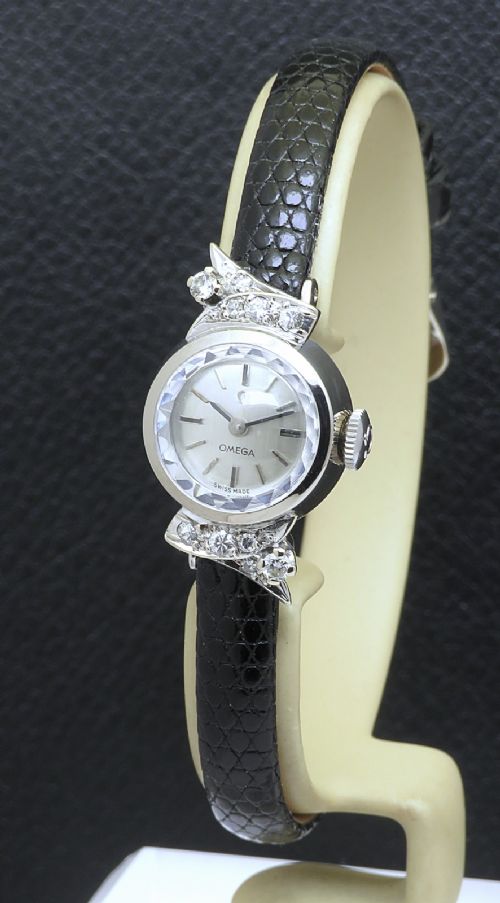


Mechanical Ladies Timepiece
These mechanical ladies timepiece examples combine fine metalwork and precise engineering, offering a tangible connection to early twentieth-century design.
Mechanical Ladies Timepiece
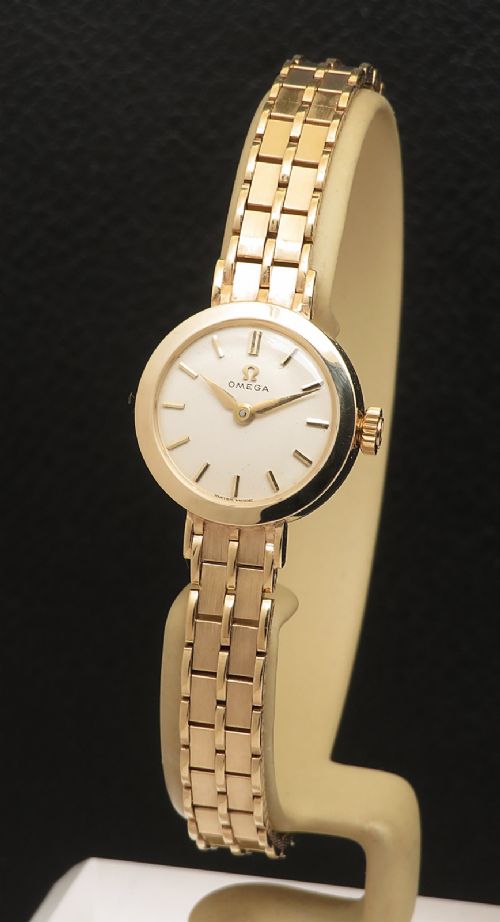
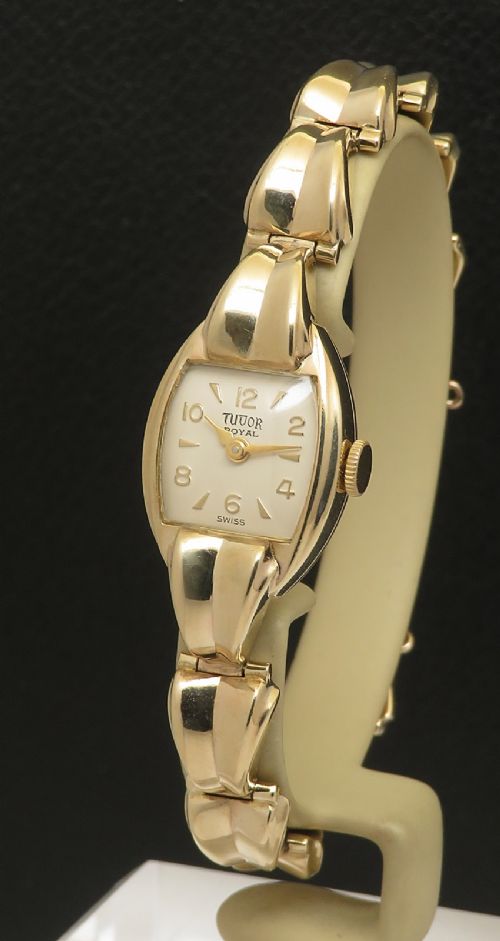
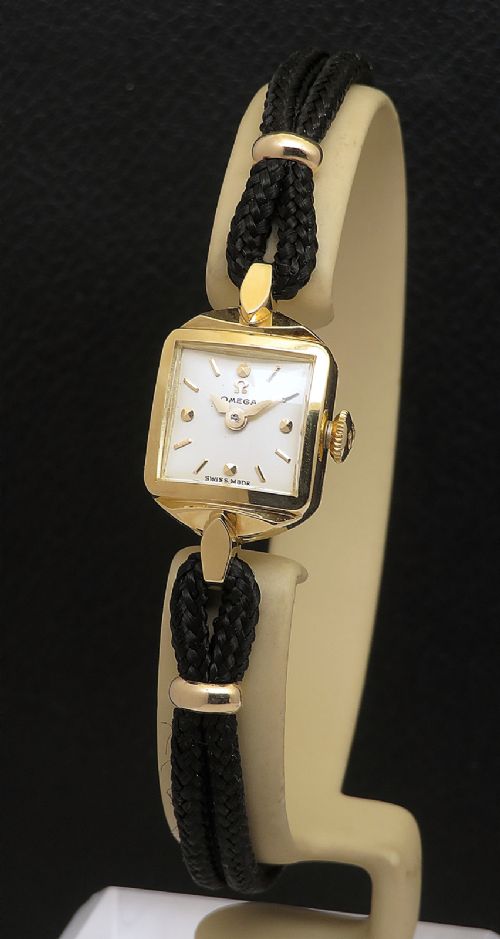
A mechanical ladies timepiece is a wearable instrument designed to tell time through manual winding rather than battery power, often doubling as a refined piece of jewellery. When exploring this selection, buyers encounter wristwatches and cocktail watches spanning the Edwardian, Art Deco, and Mid-Century periods.
Form follows function across these examples, with circular, tank, and geometric cases housing intricate mechanical movements. Most items originate from decades such as the 1930s, 1950s, and 1960s, reflecting the aesthetic shifts of those eras.
How they were made
Watchmakers utilised precious metals including solid 9ct gold, 14ct white gold, 18ct gold, 18ct white gold, and platinum for the cases and bracelets. These robust metals were often paired with glass crystals to protect the dial and hands.
Gemstone setting played a major role in the creation of finer variants, with diamonds embedded directly into the precious metal bezels and lugs. Complementary materials like leather and fabric were frequently utilised for straps, giving tactile contrast to the polished metal.
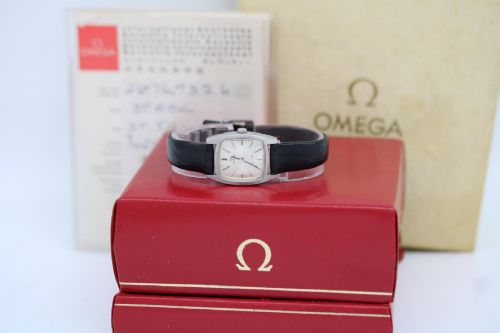
Several pieces survived decades tucked safely inside their original branded presentation boxes, preserving them as complete time capsules.
What varies in quality
Quality rests in the grade of the materials and the complexity of the casing, moving from standard stainless steel to heavy solid gold and platinum set with diamonds. The presence of original packaging, such as boxes and papers, adds further distinction.
The refinement of the mechanical movement and the crispness of the dial design dictate the upper tier of the range. Masterful integration of gemstones into precious metal cases separates standard everyday wear from high-tier cocktail pieces.
The Mechanical Ladies Timepiece Glossary
- Cocktail watch
- A small, highly decorative timepiece designed primarily for evening wear, often set with diamonds and precious stones. These pieces prioritise ornamental elegance alongside timekeeping.
- Tank style
- A rectangular watch case design inspired by military tanks viewed from above, featuring parallel vertical brancards. This geometric style gained immense popularity during the Art Deco period.
- Mechanical movement
- A watch mechanism powered by a mainspring that must be wound periodically by hand, relying on gears and springs rather than electronics. Collectors value the intricate craftsmanship required to assemble these tiny components.
- Case
- The protective metal housing that encloses and shields the internal watch movement from dust and moisture. Cases vary in shape from round to rectangular and are fashioned from materials like gold or stainless steel.
Mechanical Ladies Timepiece: Frequently Asked Questions
How do I wind a mechanical watch?
To wind the timepiece, turn the crown clockwise between your thumb and forefinger until you feel a gentle resistance. Stop immediately at this point to avoid overwinding and damaging the internal spring.
Most vintage pieces require winding daily or every alternate day, depending on the power reserve of the specific movement. Consistency in winding helps maintain steady timekeeping.
How do I identify an Art Deco watch?
Art Deco watches typically feature geometric shapes, symmetrical lines, and stylised numerals on the dial. Cases often adopt rectangular, square, or tonneau forms rather than simple circles.
Materials like white gold and platinum frequently frame geometric diamond layouts. This aesthetic dominated the design landscape during the 1920s and 1930s.
What does a service involve?
A service involves a watchmaker disassembling the mechanical movement, cleaning every individual gear and spring, and removing old, degraded lubricants. Fresh oils are applied during reassembly to ensure smooth operation.
The escapement and balance wheel are adjusted to correct the timekeeping accuracy. Servicing preserves the lifespan of the internal components.