



18ct Gold Ladies Watch
When an 18ct gold ladies watch is chosen, the wrist gains a precise mechanical instrument shaped by mid-century elegance and precious metal.
18ct Gold Ladies Watch
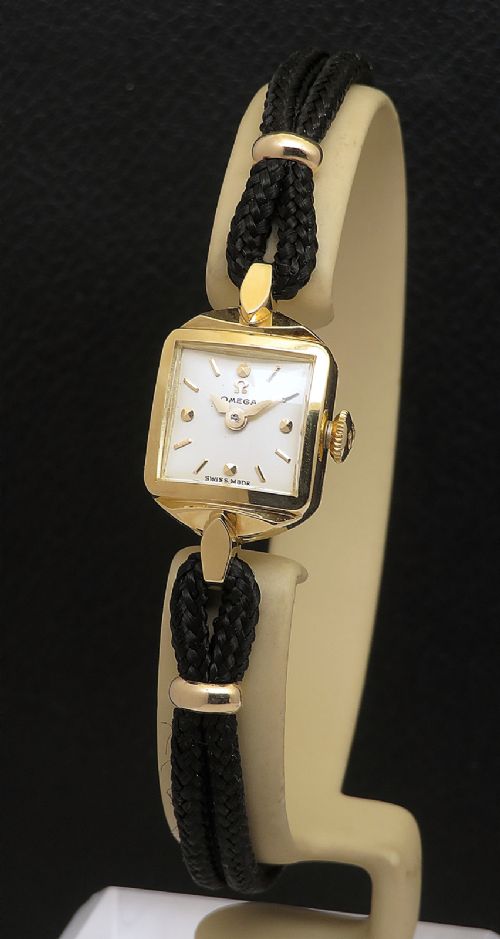
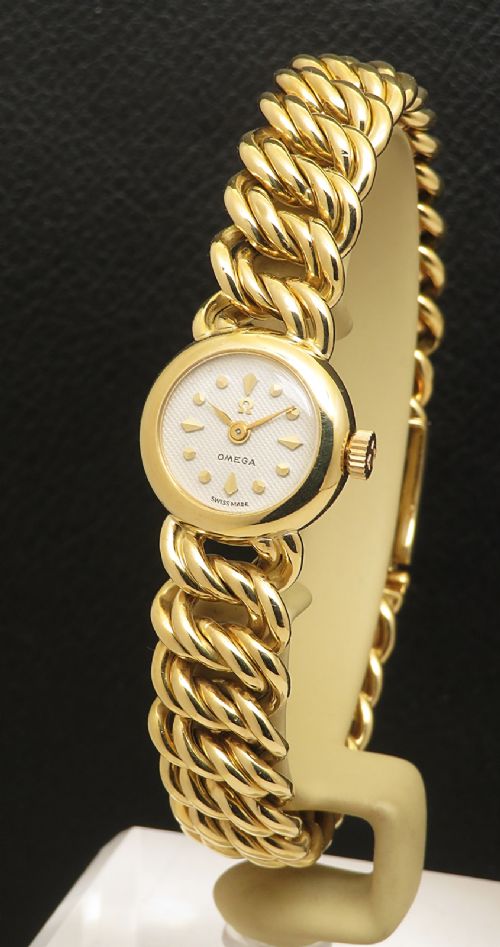
An 18ct gold ladies watch encompasses wristwatches, cocktail watches, fob watches, and pocket watches originating from the nineteenth century through the later decades of the twentieth century. Buyers seeking this phrase encounter traditional timepieces configured for women, executed in yellow, white, rose gold, or platinum.
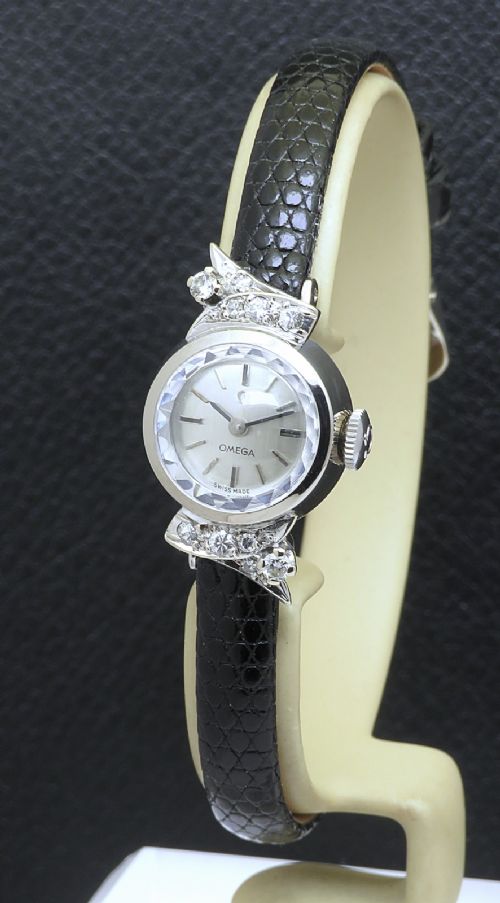
The selections span distinct periods including Victorian, Art Deco, Mid-Century, and Late 20th Century designs. Mid-century cocktail watches set with diamonds and formed from 18ct white gold represent the specimens most frequently met in these records.
Forms range from delicate bracelet watches designed for evening wear to robust precision strap watches and engraved fob watches. Each piece reflects the horological standards and aesthetic preferences of its decade, uniting fine jewellery with functional timekeeping.
Materials and Construction
Cases are formed predominantly from solid 18ct gold, utilising yellow, white, and rose variations alongside platinum and black onyx accents. Gem-set examples integrate diamonds and sapphires into bezels, dials, and articulated bracelets.
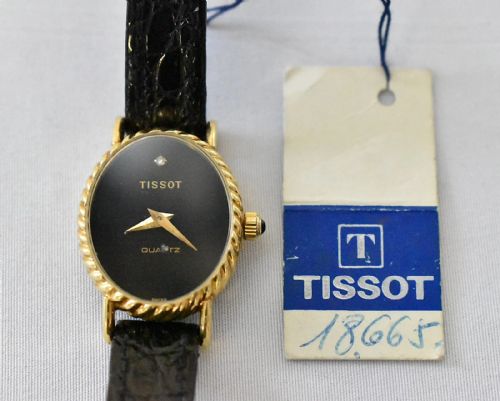
Movements rely on manual wind mechanisms, automatic winding systems, and later quartz technology. Dials and components sit behind glass crystals, while straps incorporate fabric, leather, or integrated precious metal links.
Listings feature 18ct gold pieces spanning from the nineteenth century through the 1960s and beyond, incorporating white, yellow, and rose gold variants.
Evaluating Quality and Execution
The standard of an 18ct gold ladies watch rests upon the integration between the watchmaker's movement and the jeweller's case construction. Pieces featuring signed dials from renowned makers paired with heavy precious metal fabrication demonstrate superior craftsmanship.
The presence of original fitted boxes, certification papers, and factory documentation elevates an example above standard counterparts. Furthermore, the precision of gemstone cutting, invisible settings, and hand-engraved detailing on cases or fob backs distinguish finer commissions.
Omega·Tissot·Movado·J W Benson·Vertex·Rolex·Baume And Mercier·A Robert·Girard Perregaux·Longines·Jaeger LeCoultre·International Watch Company·Universal Geneve·Vertex Revue
The 18ct Gold Ladies Watch Glossary
- Cocktail watch
- A small women's wristwatch designed primarily for evening wear, often heavily set with diamonds and precious stones. These pieces disguise the dial behind elaborate covers or gemstone clusters.
- Backwinder
- A timepiece equipped with a winding mechanism on the case back rather than the traditional crown at the side. This design preserves the unbroken decorative symmetry of the bracelet or case edge.
- Fob watch
- A small pocket watch designed to be attached to a ribbon or decorative chain and pinned to clothing. Victorian examples frequently feature elaborate floral hand-engraving on the face and back.
- Sapphette
- A specialised watch crystal cut with faceted edges that catch the light like a gemstone. This treatment was utilised by makers such as Omega during the mid-twentieth century.
- Precision
- A designation used by certain manufacturers to denote movements built to higher chronometric standards. These mechanisms underwent rigorous testing for accuracy.
18ct Gold Ladies Watch: Frequently Asked Questions
What is an 18ct gold ladies watch?
An 18ct gold ladies watch is a timepiece manufactured with a case containing seventy-five percent pure gold, sized and styled specifically for women. These items function as both jewellery and accurate timekeepers.
They encompass diverse forms ranging from Victorian fob watches to mid-century cocktail designs set with diamonds.
How do I wear a cocktail watch?
Cocktail watches are traditionally worn as formal evening accessories due to their delicate gemstone settings and bracelet designs. They pair well with evening wear and formal attire.
Because many vintage examples utilise manual wind movements, they require gentle daily winding when worn.
How do I identify the period of a watch?
The period is identified through a combination of case geometry, dial typography, movement serial numbers, and decorative styles. Art Deco pieces display geometric lines, while mid-century models often feature organic forms and diamond bezels.
Consulting hallmarks on the inside of the 18ct gold case provides precise assay office marks and date letters.
Are these watches manual or automatic?
The listings include manual wind movements, automatic self-winding calibres, and later quartz battery-operated mechanisms. Manual versions require regular hand-winding via the crown to maintain operation.
Automatic movements wind themselves using the natural motion of the wearer's wrist.