

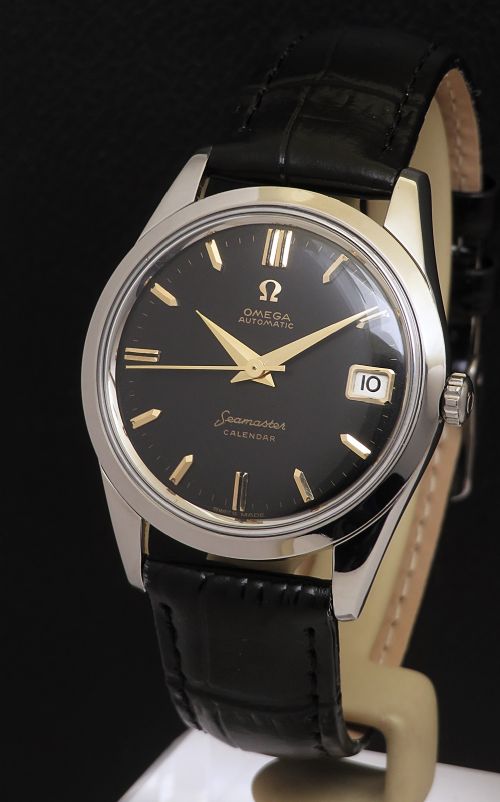
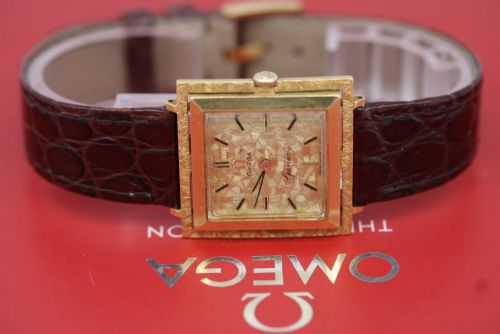
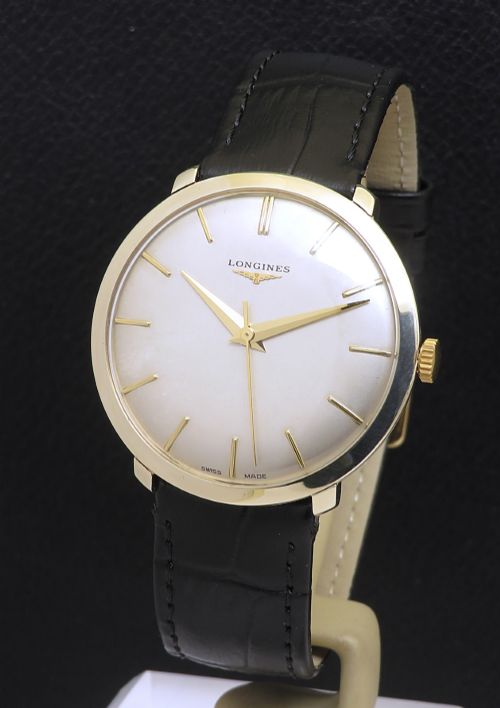
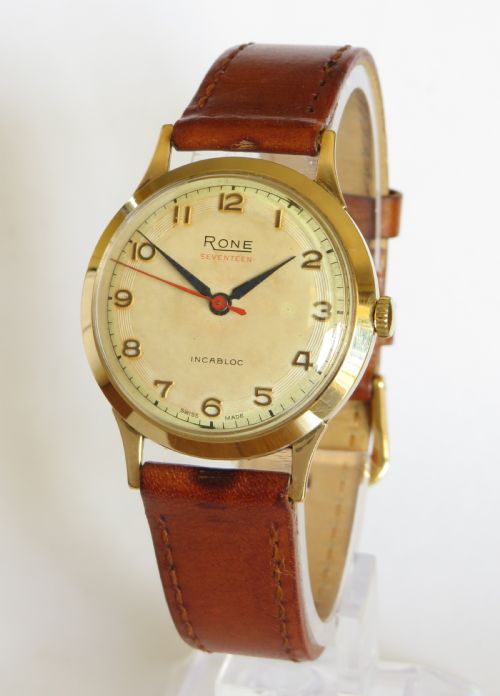
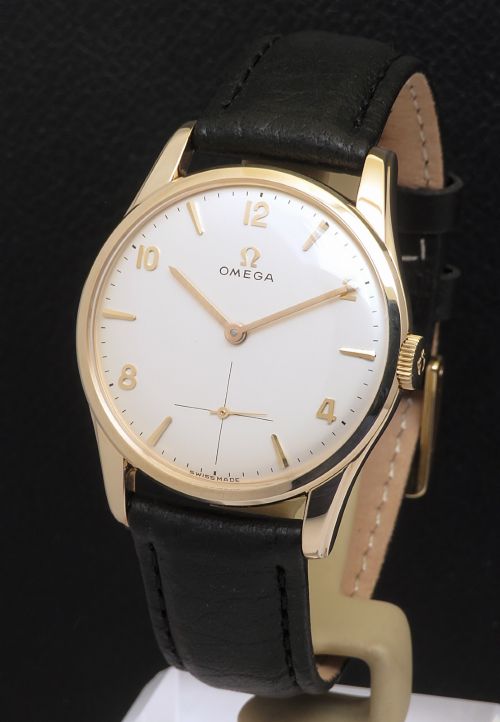
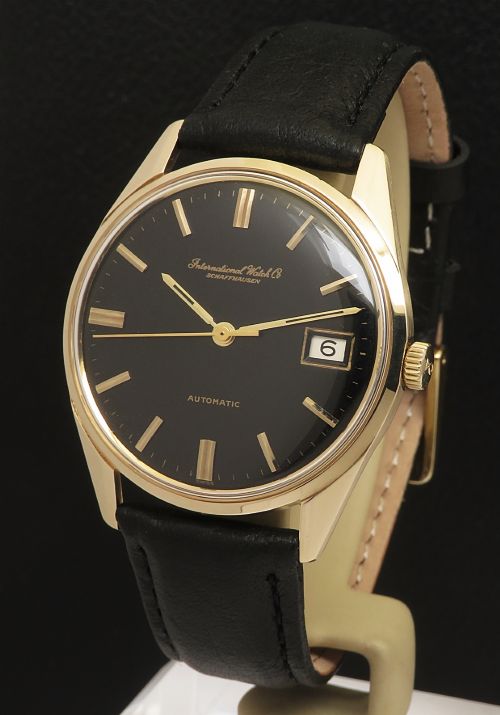
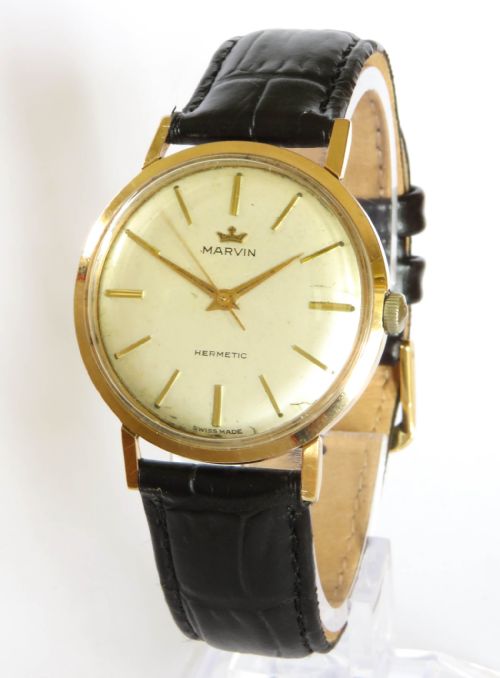
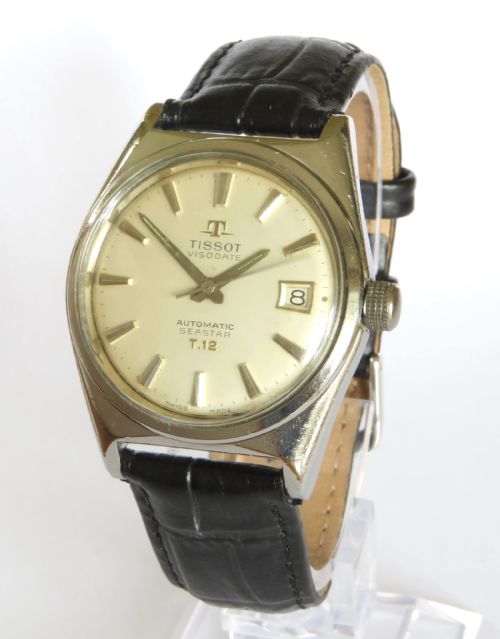
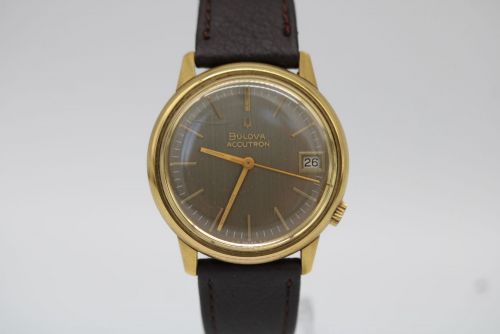
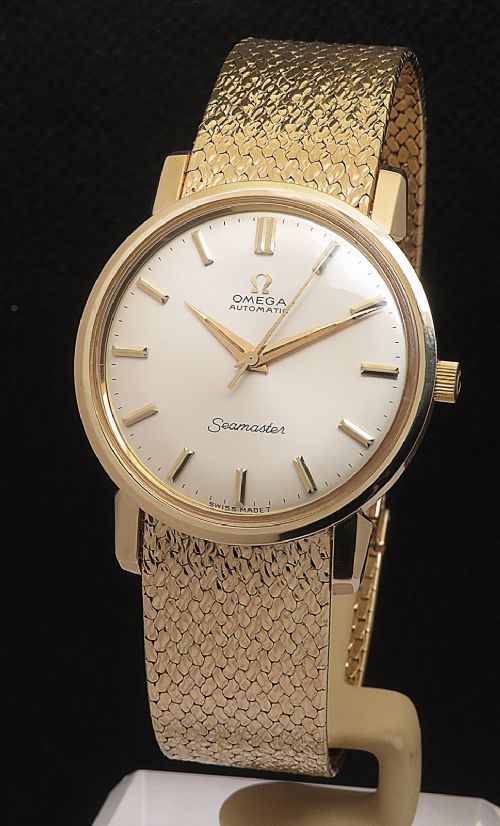
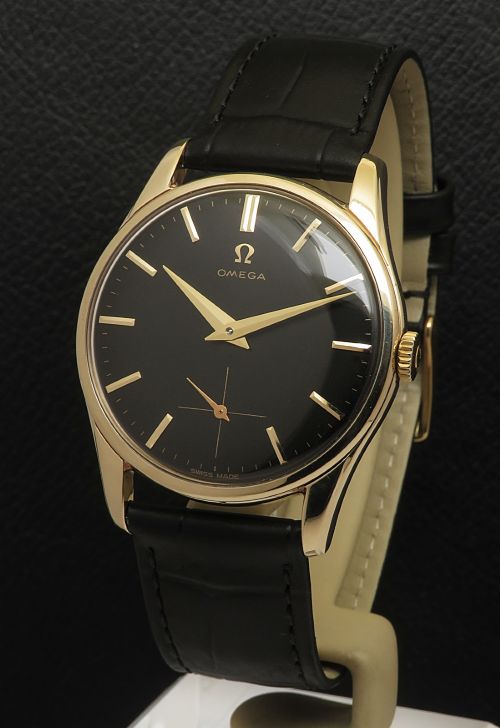
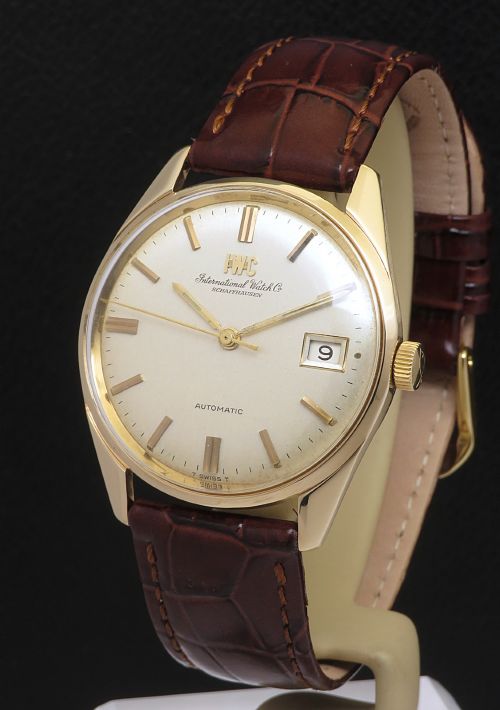
1960s Gold Wristwatch
A 1960s gold wristwatch delivers mid-century character and clean dial layouts, offering reliable mechanical timekeeping for daily wear.
1960s Gold Wristwatch
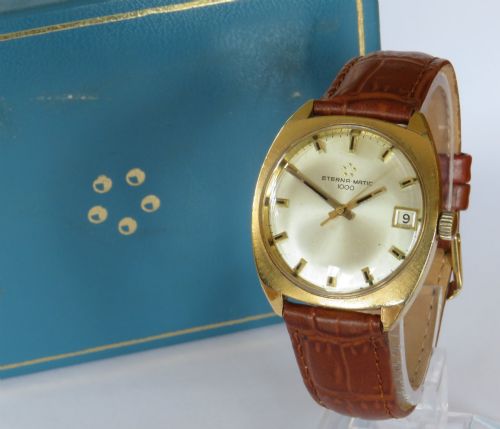
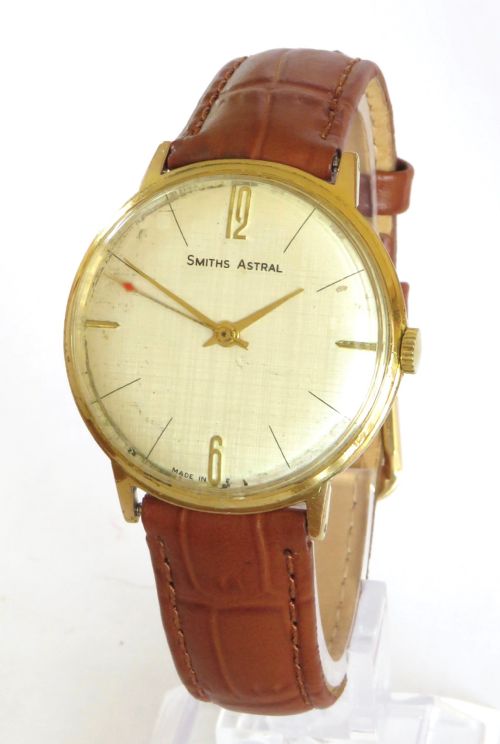
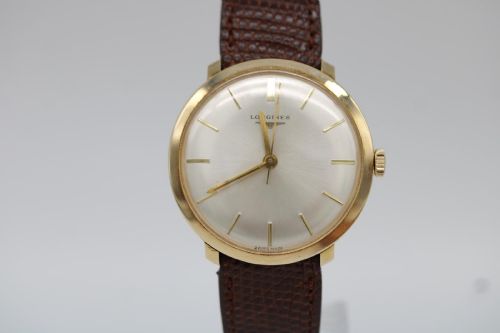
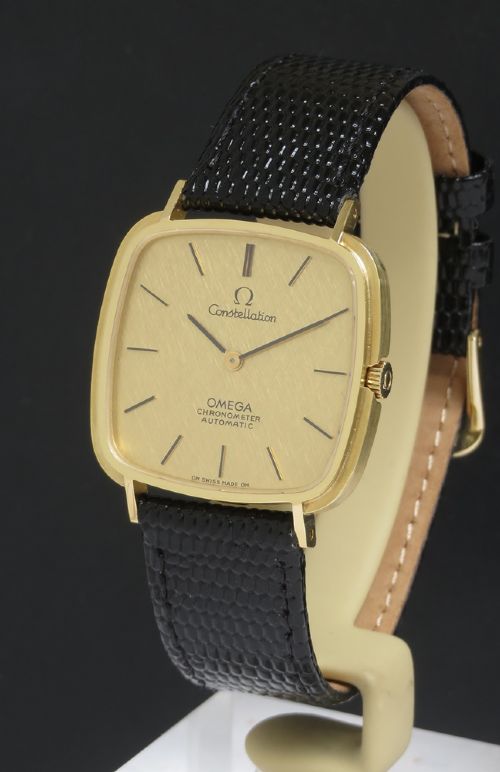
A 1960s gold wristwatch encompasses gents dress models, automatic chronometers, and ladies cocktail pieces shaped by mid-century modern design principles. Buyers encounter various forms on this page, ranging from slim manual wind variants to robust water-resistant tickers.
The objects span solid 9ct gold, 18ct white gold, and gold-plated housings, often paired with leather straps or matching metal bracelets. Examples regularly incorporate clean geometric markers and sunburst dials characteristic of the decade.
Origins cluster around established Swiss and British makers working during the nineteen-sixties and adjacent years. These timepieces served as functional accessories and status symbols, retaining their utility today.
Materials and construction methods
Cases utilise solid precious metals like 9ct and 18ct gold alongside plated brass alloys and stainless steel case backs. Dials incorporate glass or acrylic crystals protecting printed hour tracks and applied metal indices.
Movements rely on mechanical gear trains, utilising manual wind mechanisms or self-winding automatic weights driven by daily wrist movement. Leather straps complete the assembly, fastened with metal buckles.
1960s Gold Wristwatch Retail Price Guide 2026
Typical asking prices for 1960s gold wristwatch among the pieces listed under this phrase on Sellingantiques today, from the lower quarter to the upper quarter. They describe what is for sale here now, not the wider market.
Listings feature pieces from the 1950 and 1960 periods, utilising gold plate, 9ct gold, 18ct white gold, and stainless steel.
Distinctions in construction and preservation
Superior execution shows in the precision of the mechanical movement, such as adjusted chronometer grades with multiple operational positions. Material weight also dictates tier, with heavy solid gold cases standing apart from lighter plated alternatives.
Condition separates standard survivors from exceptional examples, noting whether original dials remain untouched by moisture or corrosion. Inclusion of factory boxes, papers, and matching signed buckles elevates the completeness of a timepiece.
Omega·Rolex·Bulova Accutron·IWC·Tissot·Longines·Breitling·Movado·Zenith·Certina
The 1960s Gold Wristwatch Glossary
- Chronometer
- A high-precision watch movement that has been tested and certified to meet strict accuracy standards over various temperatures and positions.
- Automatic
- A self-winding mechanical movement that uses a weighted rotor to wind the mainspring using the natural motion of the wearer's wrist.
- Acrylic
- A lightweight, shatter-resistant plastic material commonly utilised for watch crystals during the mid-century period before synthetic sapphire became standard.
- Calibre
- The specific internal manufacturing designation or model number given to a watch movement by its maker.
- Cocktail watch
- A small, decorative ladies timepiece often set with diamonds and precious metals, designed primarily for evening wear.
1960s Gold Wristwatch: Frequently Asked Questions
How do I wind a manual watch?
Gently rotate the crown clockwise between your thumb and forefinger until you feel firm resistance. Stop immediately to avoid damaging the mainspring.
Perform this action at a consistent time each day if you wear the piece regularly.
Are these watches waterproof?
Vintage timepieces lack modern rubber seals and modern water resistance standards. Keep them away from swimming, showers, and heavy rain.
Splash resistance from hand washing is acceptable only if the gaskets have been recently checked by a watchmaker.
How do I care for a leather strap?
Protect the leather from prolonged moisture, sweat, and direct sunlight to prevent cracking or discoloration. Remove the watch before strenuous physical activities.
Condition the material occasionally with a neutral leather balm to maintain flexibility.