

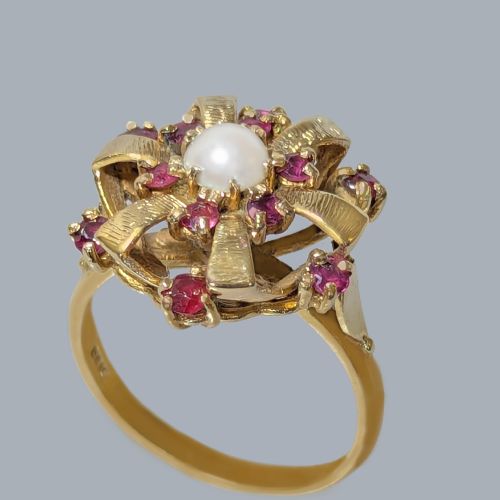


1960s Gold Cluster Ring
A 1960s gold cluster ring brings together central gemstones and surrounding stones in distinct mid-century styles.
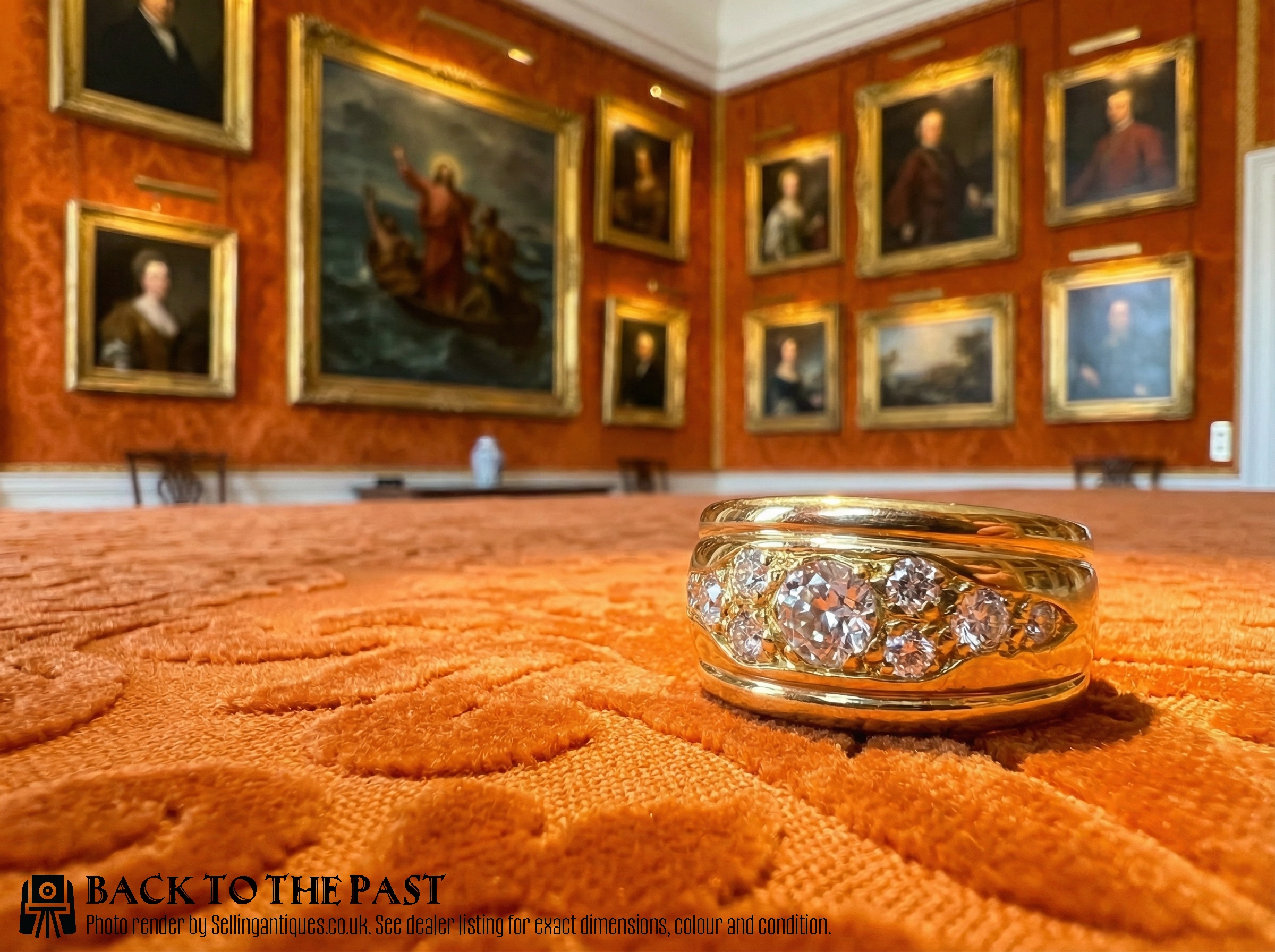
1960s Gold Cluster Ring
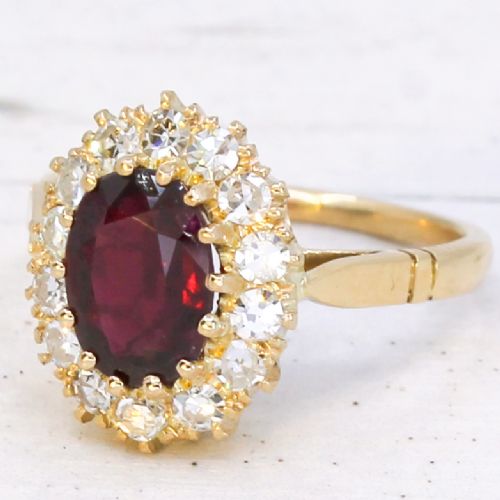
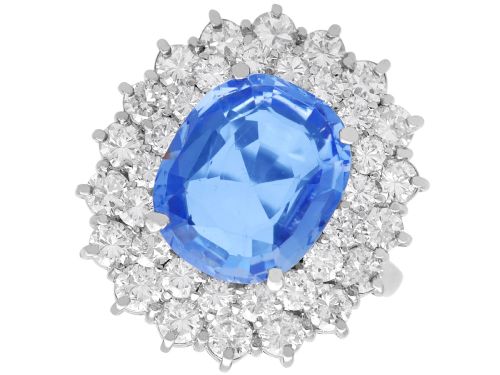
A 1960s gold cluster ring groups gemstones tightly around a central stone, creating a prominent head on the finger. The form draws the eye through contrast between coloured centre stones and surrounding diamonds.
Most examples found here date from the mid-century period, including work from 1950 onwards, with occasional Victorian revival influences. The primary metals span 18ct gold, 14ct yellow gold, 18ct white gold, and platinum settings.
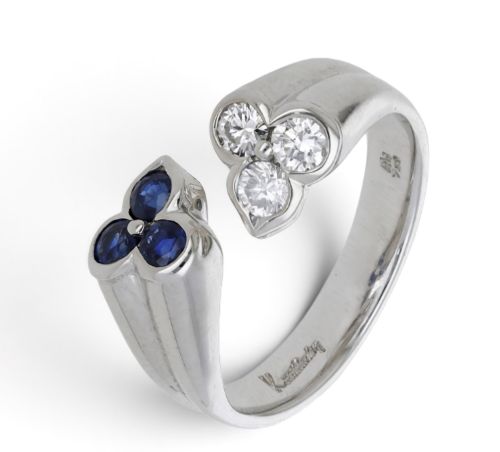
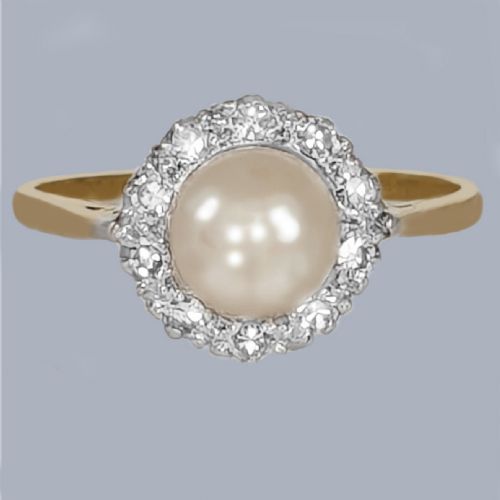
Central stones include sapphire, emerald, ruby, aquamarine, garnet, green tourmaline, pearl, and diamond. These sit in mounts styled as mid-century modern, Art Deco revival, retro, and scrolled open work.
Materials and construction
The construction relies on precious yellow and white gold combined with platinum settings to secure the smaller surrounding diamonds. Master jewellers worked stones into tight floral motifs, ballerinastyle arrangements, and open scrollwork.
Gemstones feature varied cuts, including old cuts, rose cuts, and standard faceted shapes, set firmly into robust metal mounts. Hallmarks stamped into the shanks record purity and origin, such as Birmingham assay marks from 1962.
Mid-century Italian craftsmanship appears alongside English Birmingham hallmarked pieces from the early nineteen-sixties.
Distinctions in quality
Quality rests on the saturation and clarity of the central gemstone, particularly with Colombian emeralds and natural sapphires. Stones accompanied by certification carry documented proof of origin and treatment status.
The intricacy of the metalwork defines finer examples, such as delicate open scrollwork or substantial rope twist details. Heavier gold weight and precise stone alignment separate standard production pieces from exceptional workshop creations.
Julius Cohen
The 1960s Gold Cluster Ring Glossary
- Cluster ring
- A ring featuring a central gemstone encircled by a group of smaller stones, typically diamonds.
- Ballerina ring
- A cluster setting where tapered baguette or brilliant cut diamonds radiate outwards like a dancer's tutu.
- Old cut
- An earlier diamond cutting style with a small table, high crown, and large culet, common in mid-century pieces retaining older stones.
- Rose cut
- A gemstone cut with a flat base and a domed crown of triangular facets, showing a soft lustre.
- Hallmark
- Official stamps pressed into precious metal indicating purity, maker, and assay office location.
1960s Gold Cluster Ring: Frequently Asked Questions
How do I spot a 1960s gold cluster ring?
Look for mid-century design cues, including textured gold work, scrolled open mounts, and platinum top settings over yellow gold shanks. Birmingham hallmarks and specific period stylistic traits help confirm the decade of manufacture.
Assay marks and specific gemstone combinations further anchor the piece in the mid-century era.
What gemstones appear in these rings?
Central stones include natural sapphire, emerald, ruby, aquamarine, garnet, green tourmaline, and pearl. Diamonds almost exclusively form the surrounding border of the cluster.
Unheated or certified origin stones tend to define the more notable examples in the collection.
Are these rings suitable for daily wear?
The sturdy construction of 18ct and 14ct gold suits regular wear, provided the settings are checked periodically by a professional jeweller. Platinum prongs holding surrounding diamonds offer durability for frequent use.
Softer gems like pearls require extra care to avoid surface scratches during daily activities.
What does a ballerina setting look like?
A ballerina setting arranges narrow diamonds in tight rows that flare outward around a central stone. This creates a textured silhouette resembling a mid-century ballet skirt.
The layout maximises the visual spread of the ring head.