



1960s Gemstone Dress Ring
A 1960s gemstone dress ring brings bold mid-century design and vibrant coloured stones together for striking everyday wear.
1960s Gemstone Dress Ring
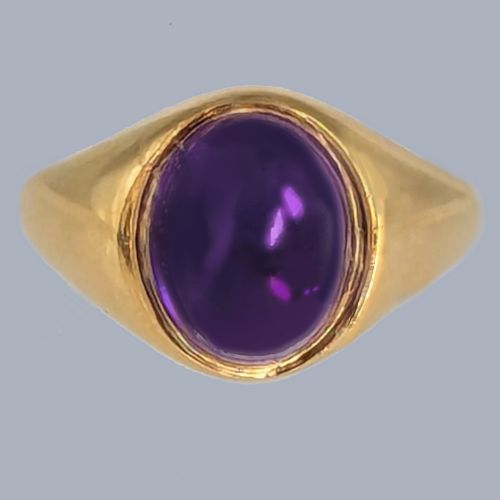
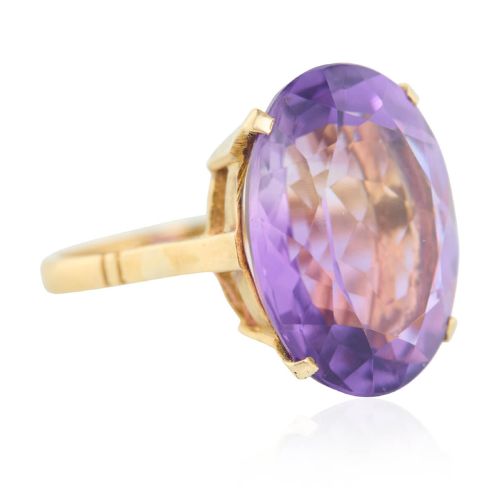
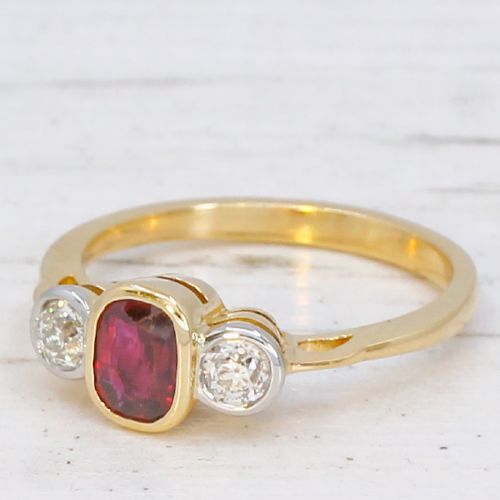
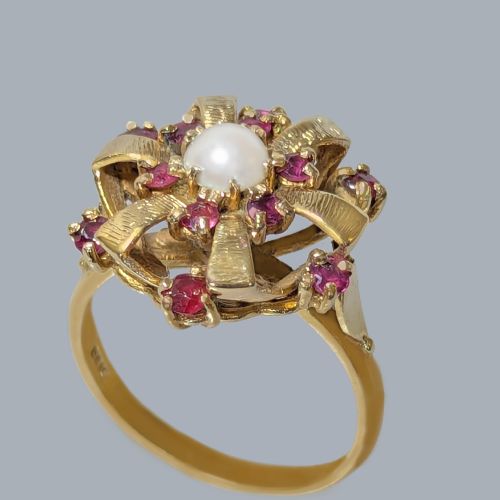
The objects span styles labelled simply as mid-century or 1960s, originating from workshops that utilised both traditional British hallmarking standards and continental European manufacturing. Buyers frequently encounter cluster and three-stone configurations alongside dramatic cocktail rings showcasing substantial carat weights. Each piece reflects the aesthetic shifts of the decade towards sculptural forms and pronounced gemstone presence.
How They Were Made
Maker techniques rely upon precious metals including 9ct gold, 14ct yellow gold, 18ct white gold, and platinum to support heavy gemstone configurations. Stones are secured using traditional claw settings, bezel mounts, or intricate cluster arrangements that often combine platinum settings with yellow or white gold shanks. Hallmarks stamped into the metal frequently confirm the specific year of production and metal purity during the 1960s.
Gems such as unheated Burmese sapphires, natural Ceylon sapphires, Colombian emeralds, and aquamarines are shaped into cabochon or faceted cuts suited to mid-century proportions. Diamond accents utilise old cut or brilliant cut facets to frame the central coloured stones. Construction prioritises durability alongside visual impact, resulting in solid mountings designed to display large carat weights securely.
What Varies in Quality
Quality depends upon the natural characteristics and certification of the central gemstone, such as the origin and treatment status of sapphires and emeralds. Stones possessing natural unheated origins or specific regional provenance elevate a piece significantly above standard commercial grades. Metal weight and the complexity of the surrounding diamond work further distinguish finer examples from simpler settings.
The integrity of the construction and the crispness of the mid-century design execution dictate the overall standard of a ring. Substantial gold or platinum shanks that retain clear hallmarks and secure settings indicate superior original craftsmanship. Balance between the scale of the centre stone and the supporting mount defines the success of the piece.
The 1960s Gemstone Dress Ring Glossary
- Ballerina ring
- A cluster ring design featuring a central stone surrounded by tapered baguette or brilliant cut diamonds that resemble a ballerina tutu. This style gained popularity during the mid-century period for its dramatic silhouette.
- Cabochon
- A gemstone shaped and polished with a smooth, rounded surface rather than faceted. This technique is frequently seen on amethysts and opals from the 1960s.
- Solitaire
- A ring featuring a single prominent gemstone without accompanying side stones. Mid-century examples often highlight large aquamarines or amethysts in this minimalist setting.
- Cluster ring
- A setting style where a central gemstone is encircled by a cluster of smaller stones, typically diamonds. This arrangement maximises visual spread and sparkle.
- Hallmark
- Official stamps applied to precious metal indicating purity, the assay office, and the date of manufacture. British 1960s pieces rely heavily on these marks to verify metal content.
1960s Gemstone Dress Ring: Frequently Asked Questions
How do I style a 1960s gemstone dress ring?
These rings work well as standalone statement pieces on the hand due to their substantial size and bold coloured stones. Pairing them with simple attire lets the mid-century design and stone colour take focus.
Because many examples feature prominent settings or large carat weights, consider wearing them on fingers that experience less physical contact during daily activities to protect the mount.
What metals were used in 1960s rings?
Jewellery from this decade frequently utilises 9ct yellow gold, 14ct yellow gold, 18ct white gold, and platinum. Platinum was often chosen specifically for gemstone settings to ensure secure prongs while the shank remained in gold.
Matching the metal colour to personal preference is straightforward, as white and yellow gold options appear with equal frequency across the period.
Are certifications common for 1960s gemstones?
Independent gemmological certification often accompanies higher-value emeralds, rubies, and sapphires from this era. These certificates confirm natural origin and detail any treatments applied to the stone.
Checking for certification helps verify details regarding origin, such as whether a sapphire is from Ceylon or Burma.
How can I tell a 1960s ring from other decades?
Stylistic markers include sculptural mounting techniques, ballerina cluster silhouettes, and a preference for large aquamarines, amethysts, and tourmalines. British pieces often feature clear date letters and hallmarks corresponding to the 1960s.
The combination of mid-century modern design sensibilities and specific gemstone cuts distinguishes these rings from Victorian or Edwardian equivalents.