



1960s 9ct Gold Watch
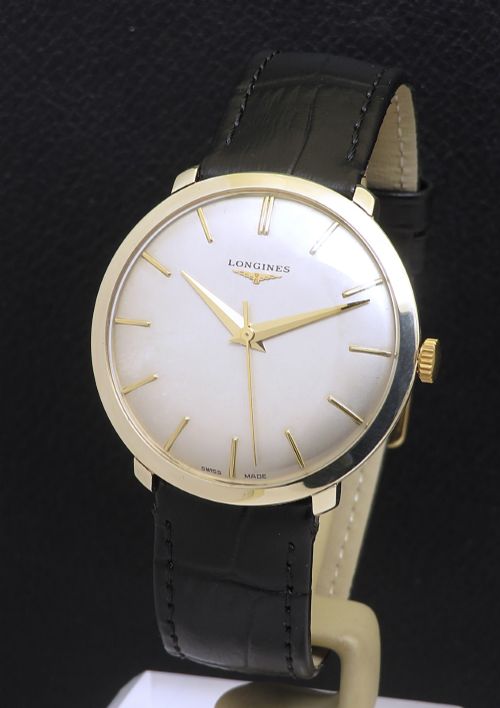
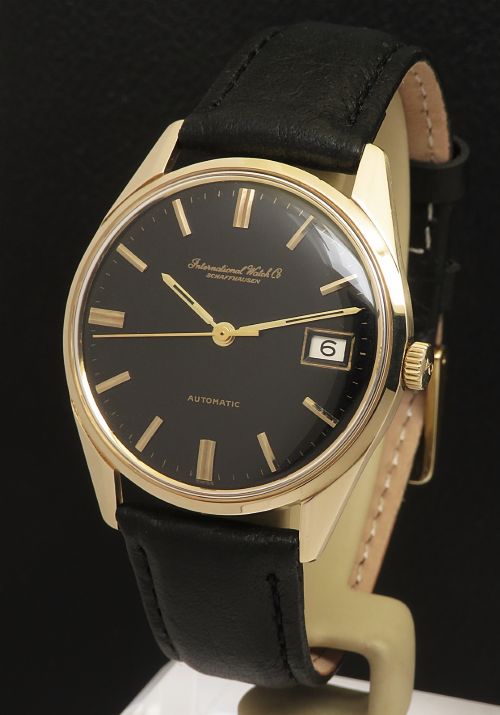
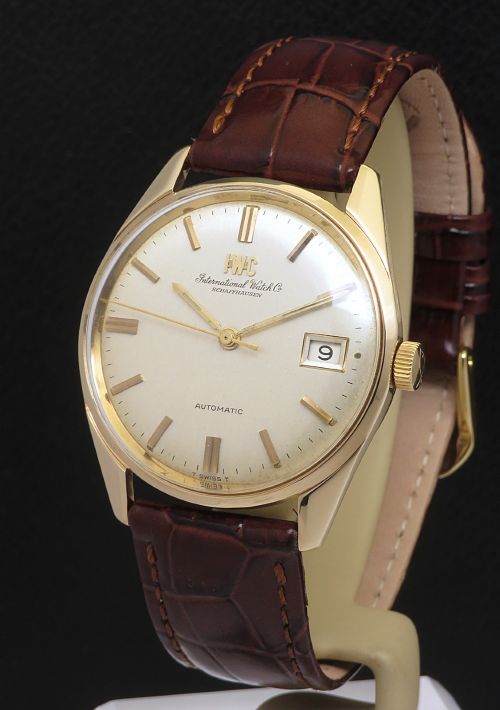
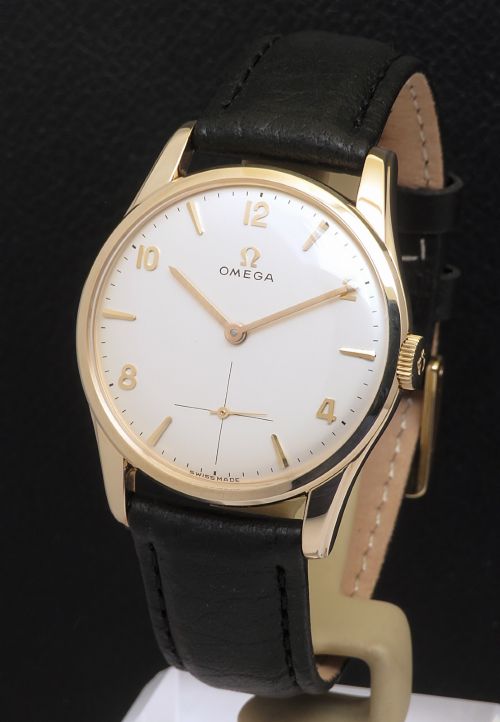
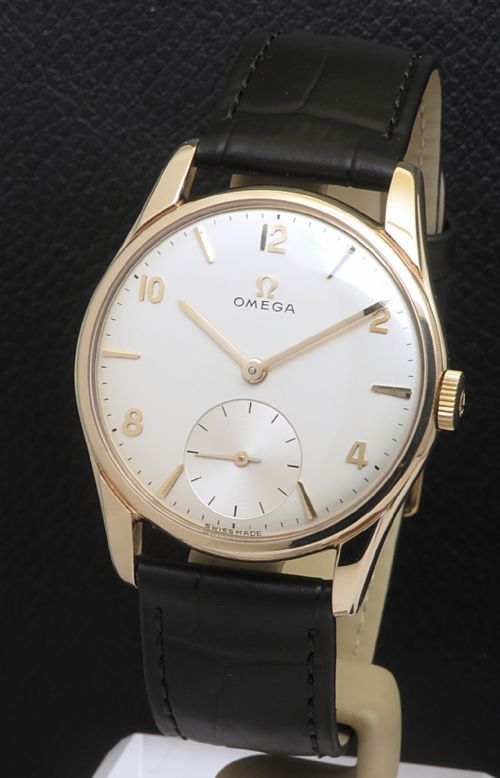
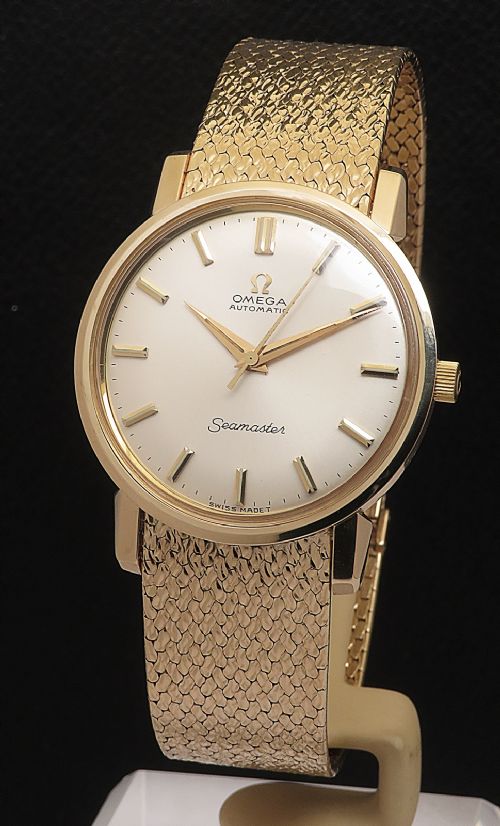
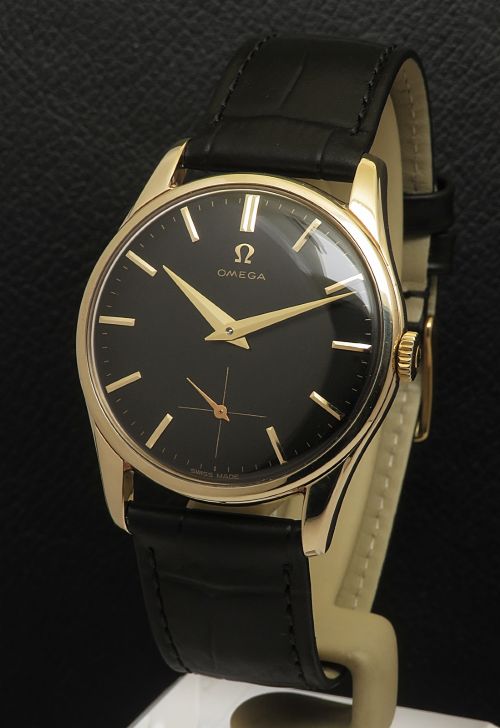
A 1960s 9ct gold watch brings mid-century elegance to the wrist, offering dependable mechanical timekeeping encased in solid precious metal.
1960s 9ct Gold Watch
A 1960s 9ct gold watch is a mechanical timepiece originating from the mid-century period, designed for both men and women. These pieces reflect the clean aesthetics of Mid-Century Modern and Mid-Century British design movements.
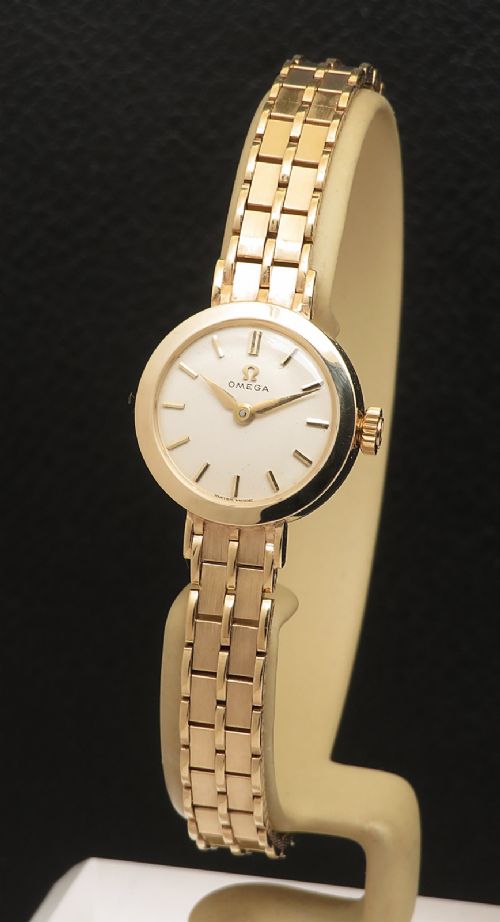
The version most commonly met on this page is the gents wristwatch, often powered by reliable automatic or manual wind movements. Ladies variants also appear, occasionally accompanied by their original presentation boxes.
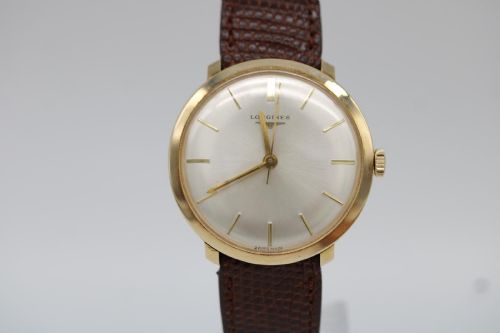
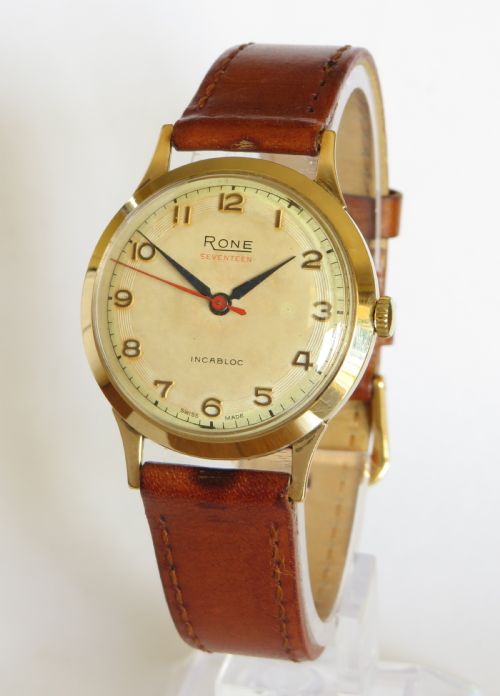
Makers from this decade utilised solid yellow gold for cases, pairing them with leather straps to create a restrained silhouette. Dials range from classic silvered finishes to distinctive explorer layouts and two-tone configurations.
Materials and construction
Cases are formed from solid 9ct gold, providing a durable yet warm housing for the intricate mechanical movements within. Glass or acrylic glass protects the dial, maintaining the characteristic profile of the era.
Movements rely on precision engineering, incorporating manual wind calibres and automatic mechanisms with numerous jewels. Straps are typically fashioned from leather, completing the traditional construction of these mid-century timepieces.
1960s 9ct Gold Watch Retail Price Guide 2026
Typical asking prices for 1960s 9ct gold watch among the pieces listed under this phrase on Sellingantiques today, from the lower quarter to the upper quarter. They describe what is for sale here now, not the wider market.
Listings feature 9ct gold cases paired with leather straps and driven by automatic or manual wind movements.
Factors of quality
The condition of the case and dial largely determines the distinction between average examples and superior survivals. Original dials that retain their crisp typography and unmodified hands command greater attention.
The presence of original documentation, boxes, and unpolished case geometry elevates certain specimens above standard daily wear pieces. Mechanical integrity and the precision of internal calibres further separate notable examples from ordinary ones.
Omega·IWC·Rolex·Smiths·Eterna
The 1960s 9ct Gold Watch Glossary
- Automatic
- A self-winding mechanical movement that uses the motion of the wearer's wrist to power the watch. This system removes the need for daily manual winding.
- Calibre
- The specific manufacturer's designation for a particular watch movement design. Collectors use this term to identify the exact internal engineering of a timepiece.
- Manual wind
- A movement that requires the wearer to turn the crown by hand to tension the mainspring. These mechanisms result in slimmer case profiles.
- Acrylic glass
- A lightweight, shatter-resistant plastic material used for watch crystals during the mid-century period. It can be easily polished to remove minor surface scratches.
- Explorer dial
- A dial layout featuring prominent numeric markers at specific intervals for enhanced legibility. This configuration originates from utility-focused wristwatches adapted for civilian use.
1960s 9ct Gold Watch: Frequently Asked Questions
How do I wind a manual watch?
Turn the crown clockwise between your thumb and forefinger until you feel gentle resistance. Stop immediately to avoid damaging the mainspring.
Perform this action at roughly the same time each day to maintain consistent timekeeping performance.
Can I wear my vintage watch daily?
These watches served as everyday accessories in their original decade and handle regular wear well. Modern lifestyles, however, require caution regarding water exposure and physical impacts.
Consider having a specialist service the movement before committing to a daily rotation.
Are these watches waterproof?
Original water resistance seals degrade significantly over decades. Even models bearing marine names lack modern sealing capabilities.
Keep these timepieces away from swimming, showers, and heavy rain to protect the dial and movement.
How do I identify the production year?
Makers stamped serial numbers inside the case back or on the movement itself. Reference charts correlate these numbers with specific production years.
Documentation and original boxes occasionally provide supplementary dating evidence.