

1950s Wristwatch
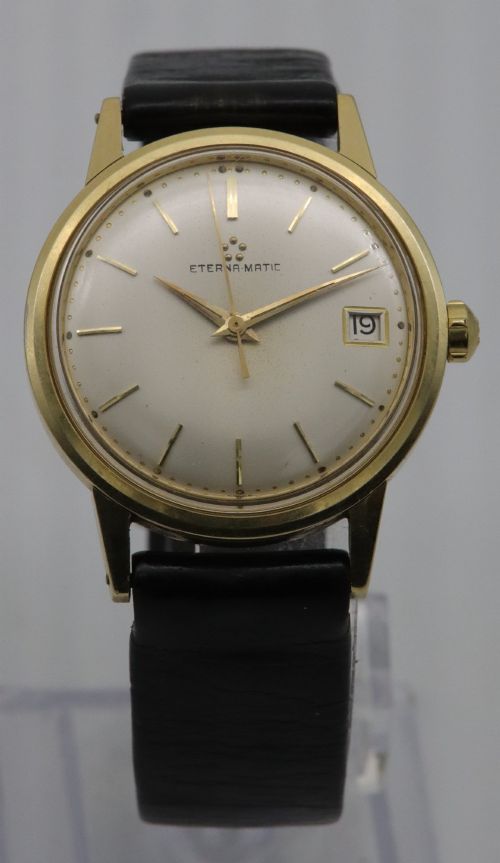
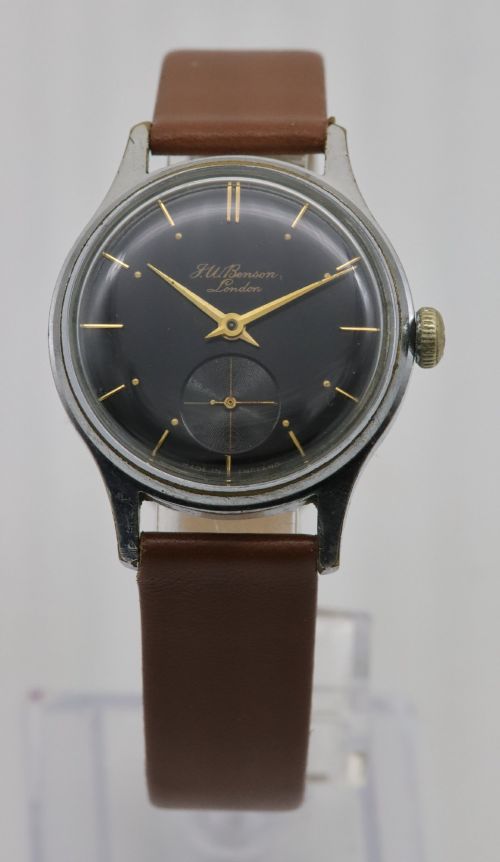
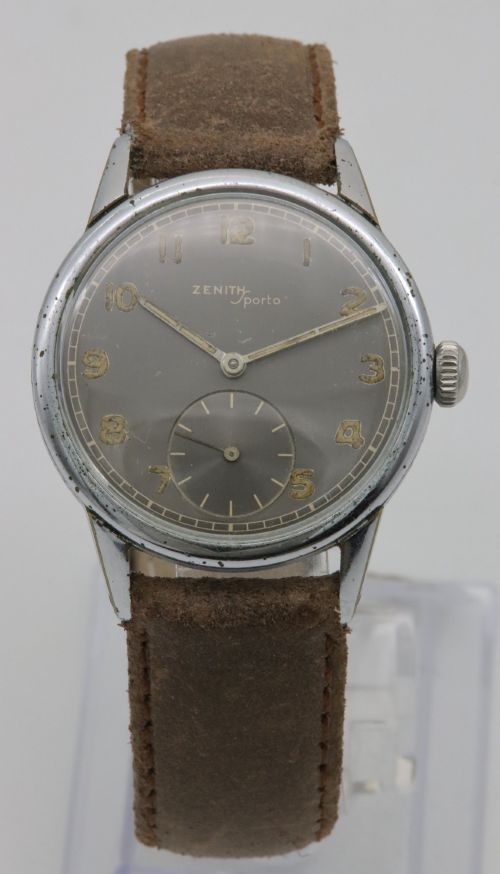
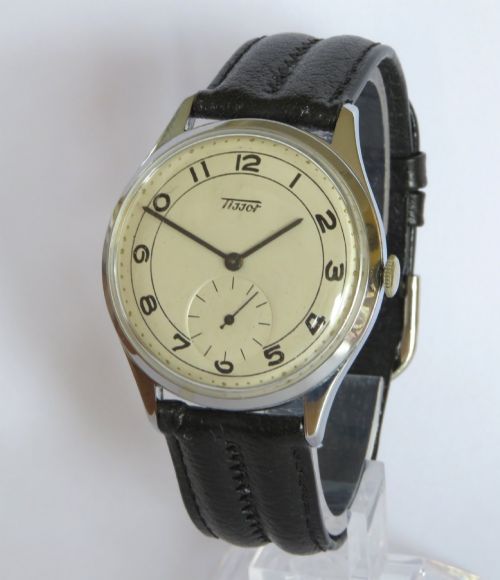
A 1950s wristwatch carries the mechanical integrity and clean lines of mid-century design on the wrist.
1950s Wristwatch
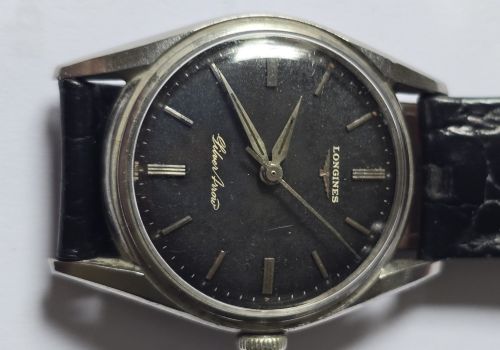
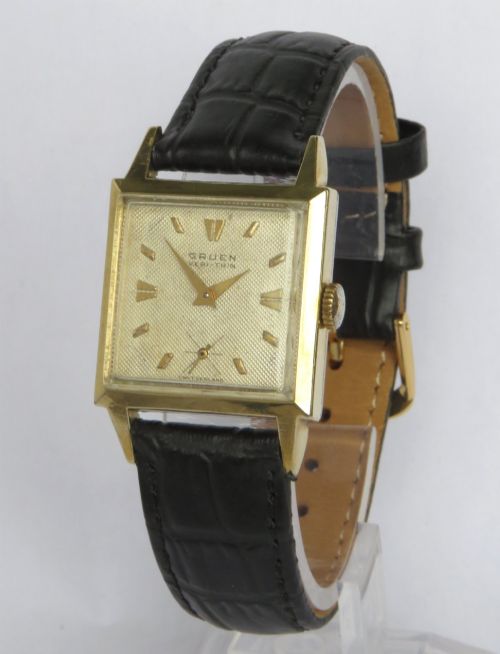
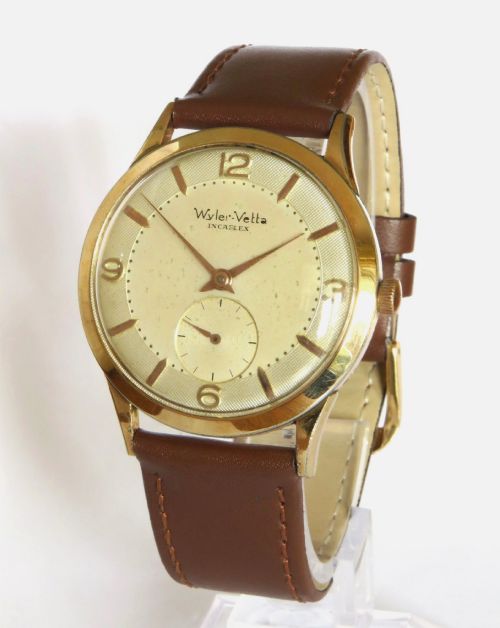
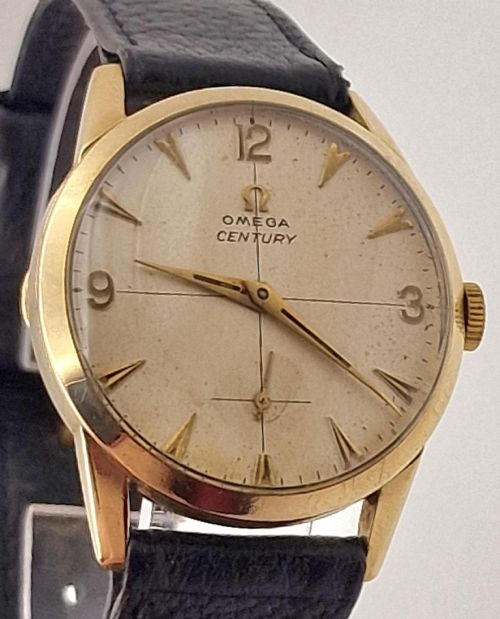
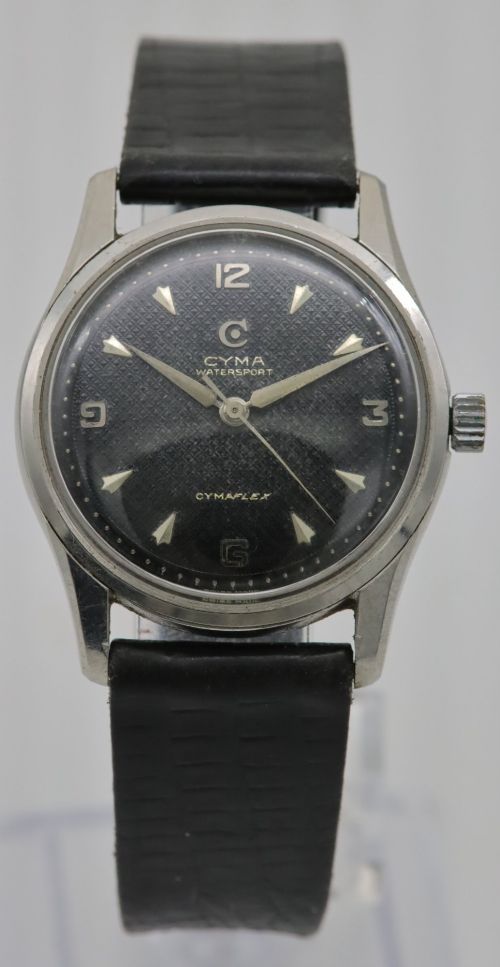
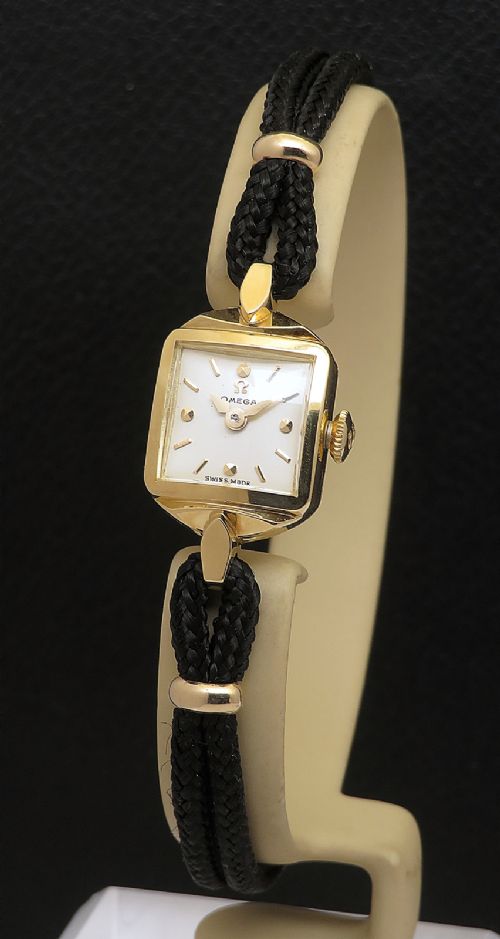
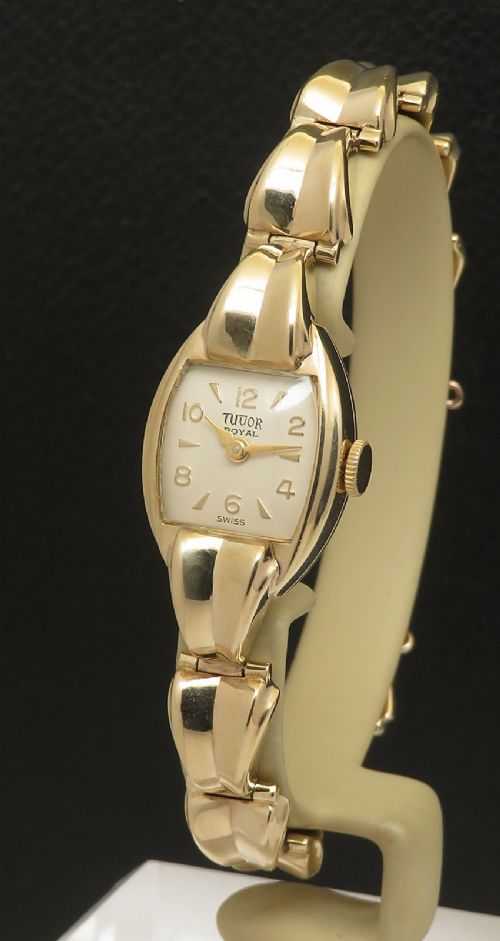
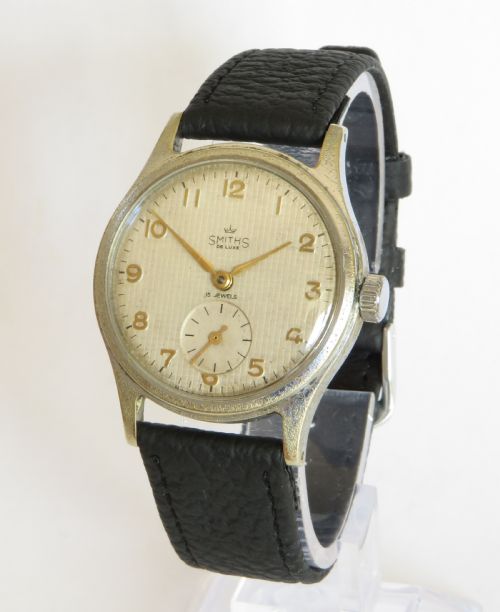
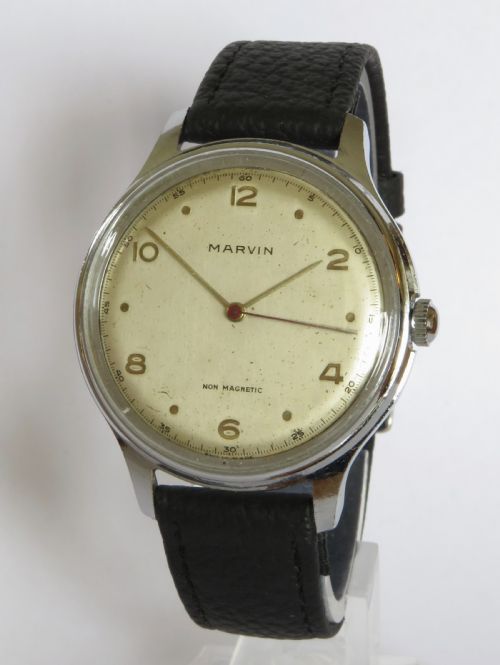
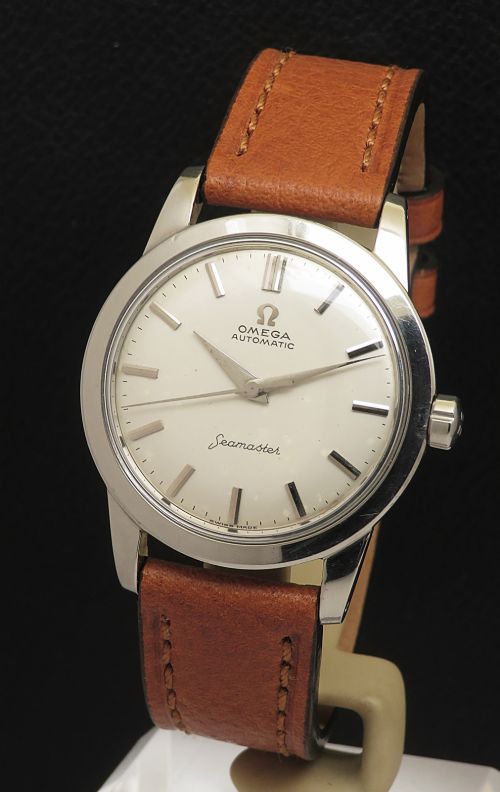
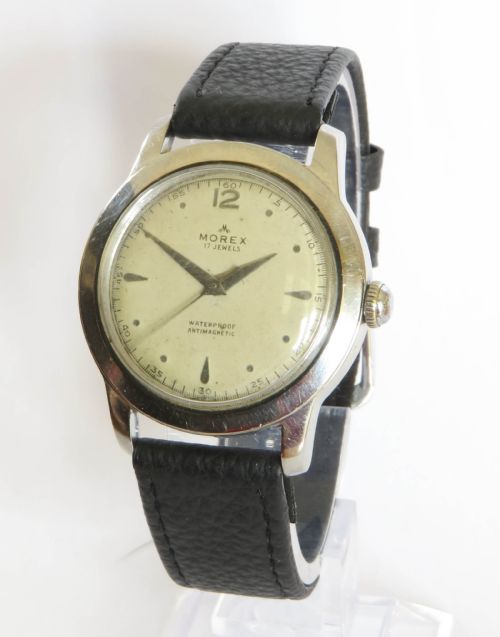
When searching for a 1950s wristwatch, a buyer encounters mechanical timepieces originating from the 1940s, 1950s, and 1960s. These items encompass gents wristwatches, ladies cocktail watches, chronographs, and calendar models.
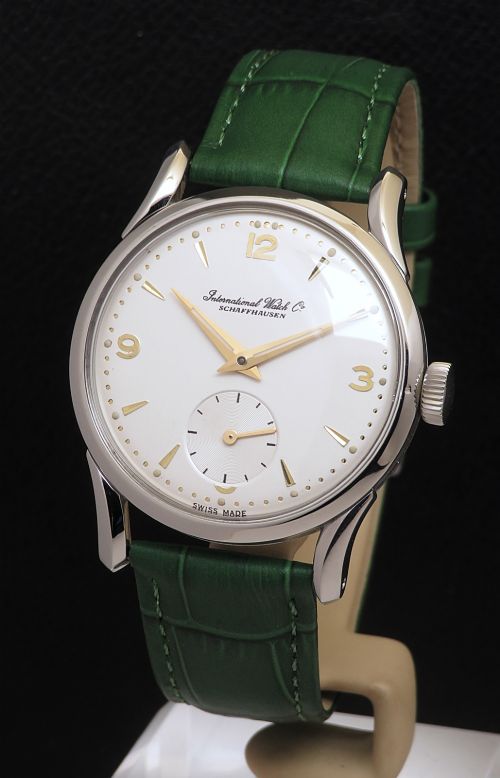
The most common version met on this page is the gents wrist watch, often powered by manual wind or automatic movements and housed in steel, gold plate, or solid 9ct and 18ct gold cases.
Makers range from prominent Swiss houses to British firms such as Smiths, reflecting mid-century horology, aviation styles, and Art Deco influences on dial and case layouts.
Materials and Construction
Cases are formed from stainless steel, gold plate, and solid 9ct or 18ct gold, paired with acrylic glass or acrylic crystals over the dial.
Straps utilise leather, complementing metal bracelets and gold cases, while internal movements rely on precision Swiss and British mechanical calibres.
1950s Wristwatch Retail Price Guide 2026
Typical asking prices for 1950s wristwatch among the pieces listed under this phrase on Sellingantiques today, from the lower quarter to the upper quarter. They describe what is for sale here now, not the wider market.
Some watches arrive with their original fitted boxes, preserving the exact packaging retailers handed across the counter seventy years ago.
Distinctions in Quality
The distinction between tiers rests on the preservation of original components, such as untouched dials and bumper automatic movements, versus pieces that have undergone extensive replacement of parts.
Materials create a clear division, moving from gold plate and standard metal cases up to solid 9ct and 18ct gold housings enclosing high-grade calibres from established watchmakers.
International Watch Company IWC·Omega·Rolex Tudor·Smiths·Montilier·Heloisa·J W Benson·Festina·Antoremi·DeRe·Roamer·Longines·Cyma·Wittnauer·Dogma Prima·Kered·Rotary·Baume Bimatic·Lanco Sport·Prisma·Marvin·Certina·Fludo
The 1950s Wristwatch Glossary
- Calibre
- The specific internal mechanical movement manufactured for a watch. Different calibres denote distinct factory designs and functional complications.
- Bumper automatic
- An early self-winding mechanical movement where a weighted rotor swings back and forth within a limited arc, giving a distinct physical bump sensation to the wrist.
- Chronograph
- A watch equipped with a stopwatch function alongside the standard time display. Independent sub-dials track elapsed seconds and minutes.
- New Old Stock
- Unsold inventory from past decades discovered in pristine, unworn condition. These pieces retain their original factory state.
- Cocktail watch
- A small ladies dress watch designed for evening wear. These timepieces frequently incorporate precious metals and decorative Art Deco styling.
1950s Wristwatch: Frequently Asked Questions
How do I wind a mechanical watch?
Turn the crown clockwise between your thumb and forefinger until you feel resistance. Stop winding immediately once tension builds to avoid damaging the internal mainspring.
For manual wind models, repeat this daily to keep the movement running. Automatic models wind themselves through wrist movement while worn, but can also be manually wound to jumpstart the mechanism.
Are these watches waterproof?
Vintage timepieces lack modern rubber gaskets and screw-down crowns. Moisture can easily bypass the crystal and case back.
Avoid wearing these items while swimming, showering, or washing hands. Keep them away from heavy rain and humid environments to protect the dial and movement.
What is a bumper automatic movement?
A bumper automatic uses an oscillating weight that swings back against internal springs rather than rotating in a full circle. You feel a gentle tap on your wrist as the rotor moves.
This early self-winding technology precedes the rotor movements found in later horology. It represents a specific mechanical era of the decade.
How do I care for a leather strap?
Keep leather bands dry and clean by wiping them with a soft cloth after wear. Remove the watch during strenuous activity to prevent sweat absorption.
Condition the leather periodically with suitable balms to maintain flexibility. Replace worn straps safely using spring bar tools to protect the lugs.