

1950s Swiss Timepiece
A 1950s swiss timepiece delivers precise mid-century engineering wrapped in refined styling that collectors and everyday wearers prize.
1950s Swiss Timepiece
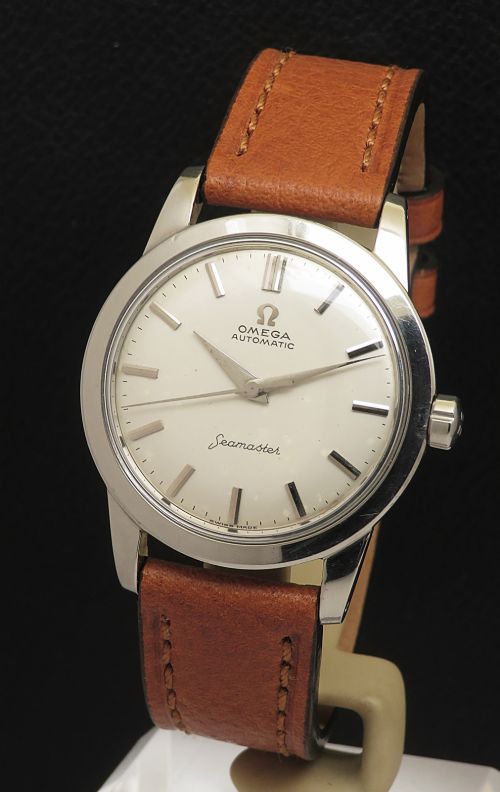
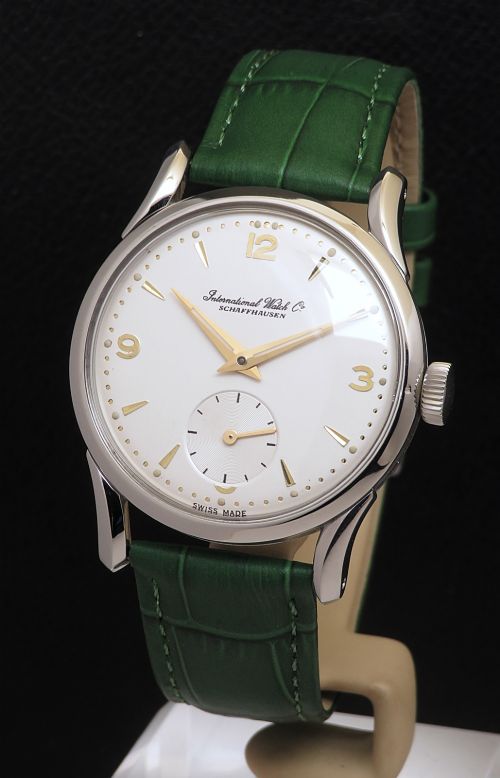
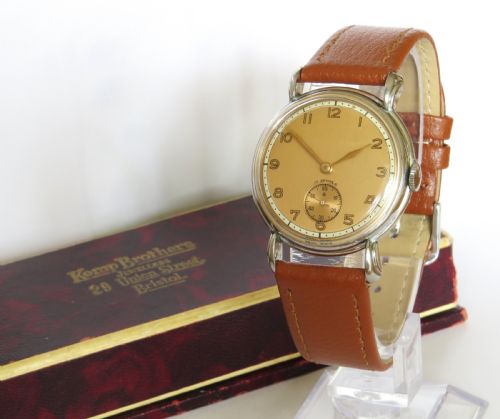
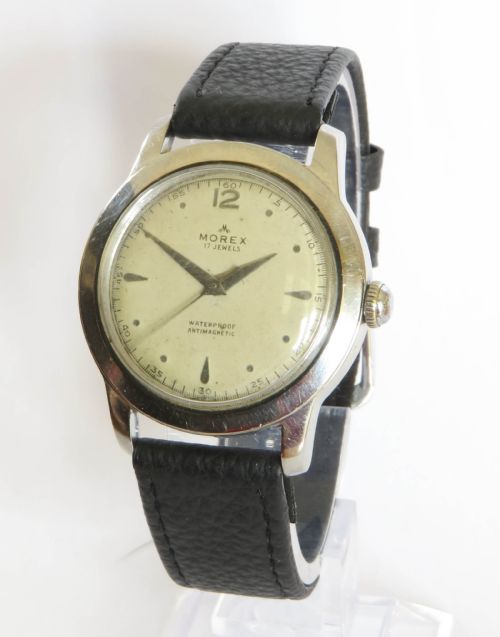
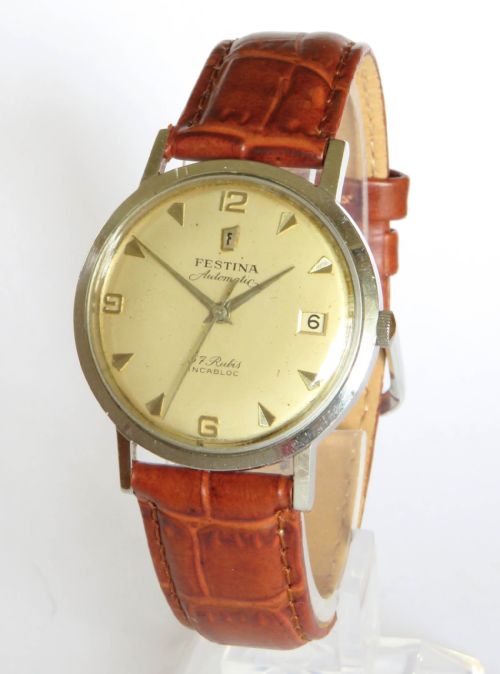
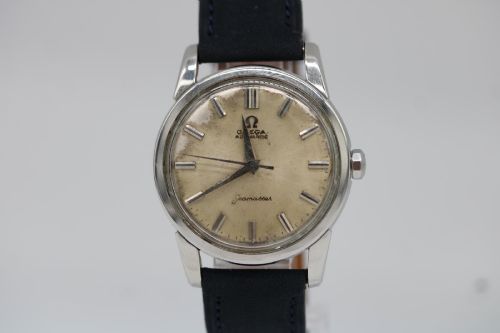
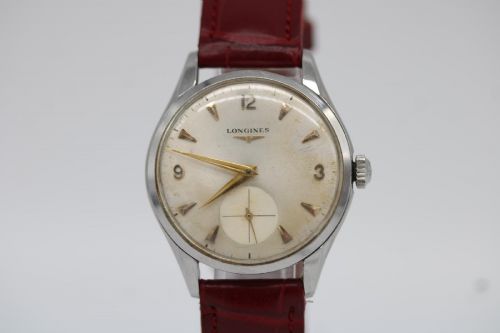
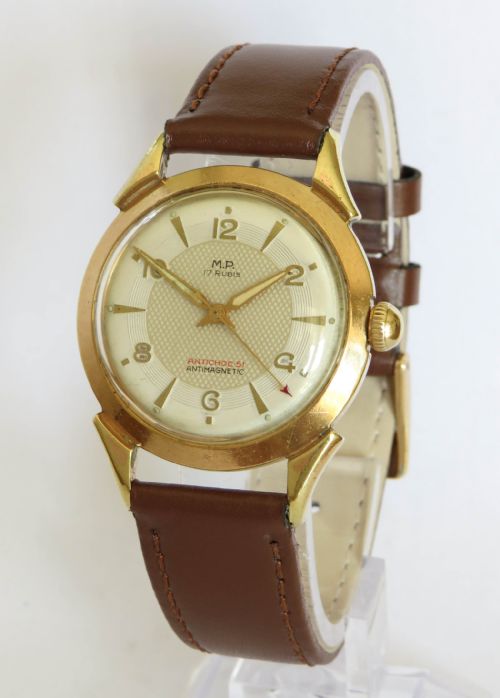
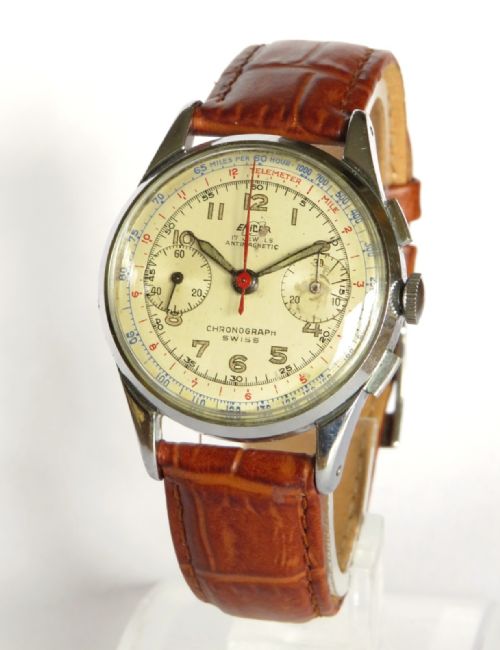
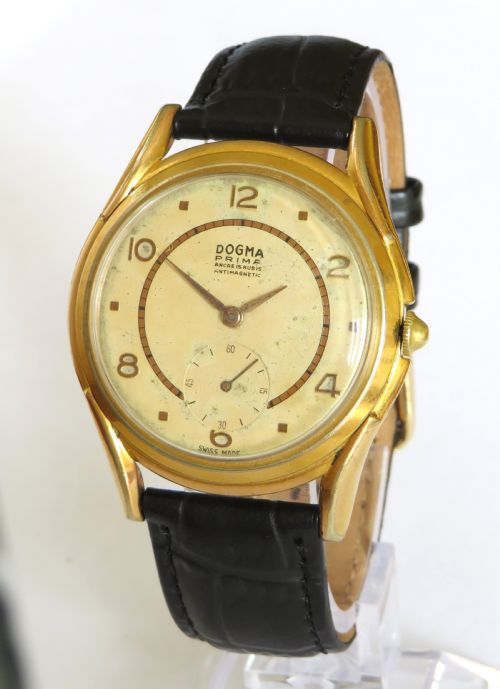
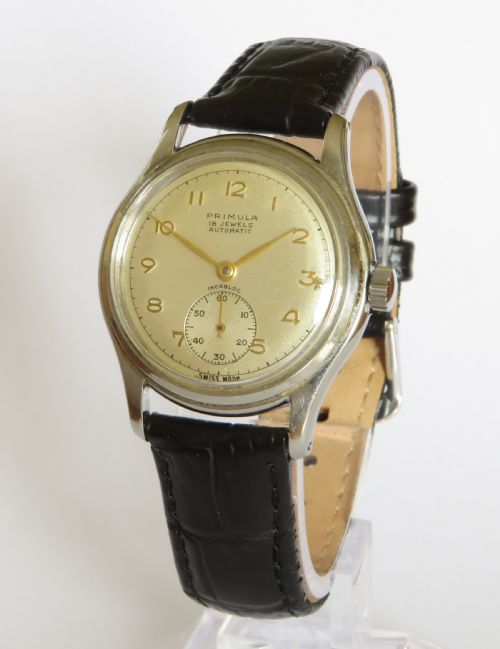
A 1950s swiss timepiece encompasses wristwatches, pocket watches, and clocks originating from Swiss makers during the mid-century period. Buyers browsing this selection encounter automatic wristwatches alongside manual wind models, chronographs, and desk clocks.
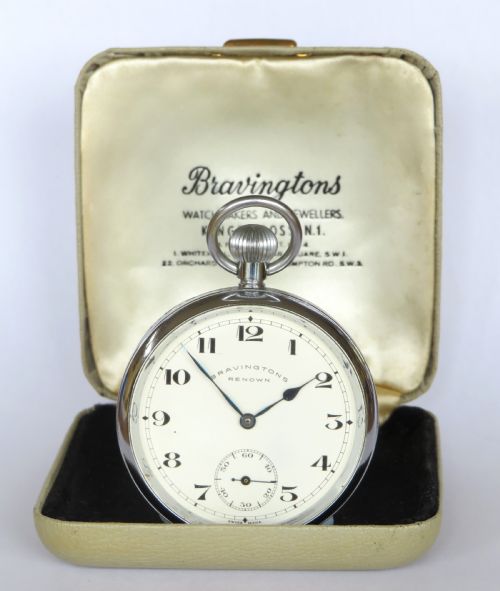
The wristwatches dominate the selection, often taking the form of gents dress watches and robust chronometers from prominent mid-century horology houses. Desk clocks and pocket watches appear less frequently but maintain the same Swiss manufacturing origin.
How they were made
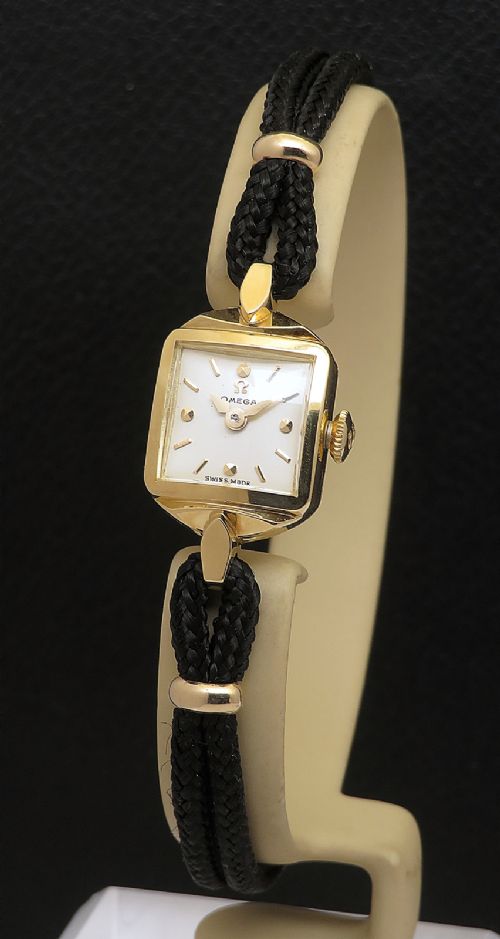
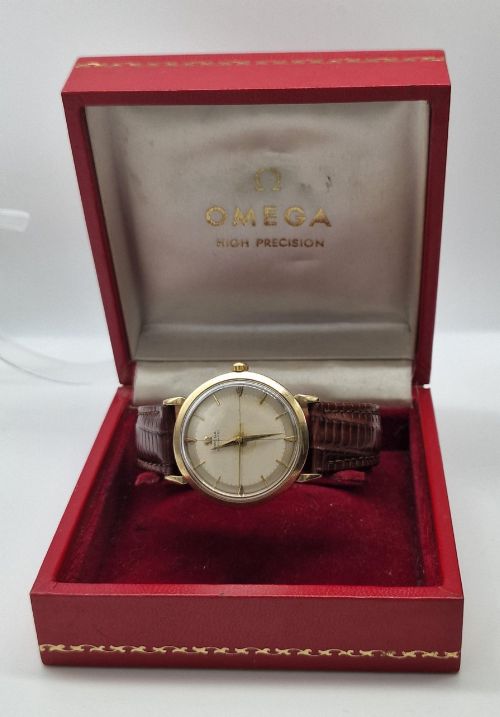
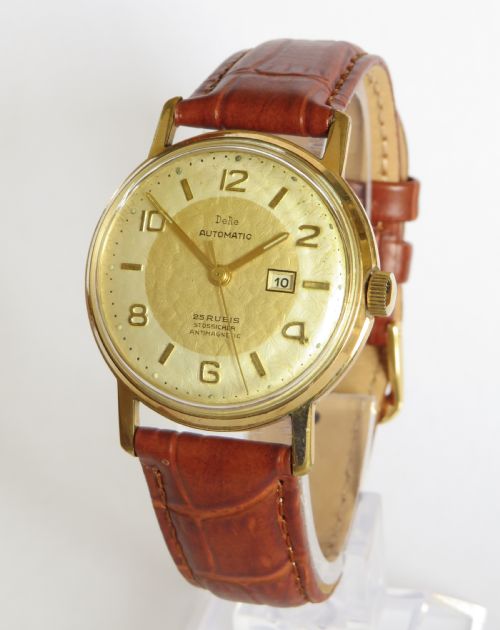
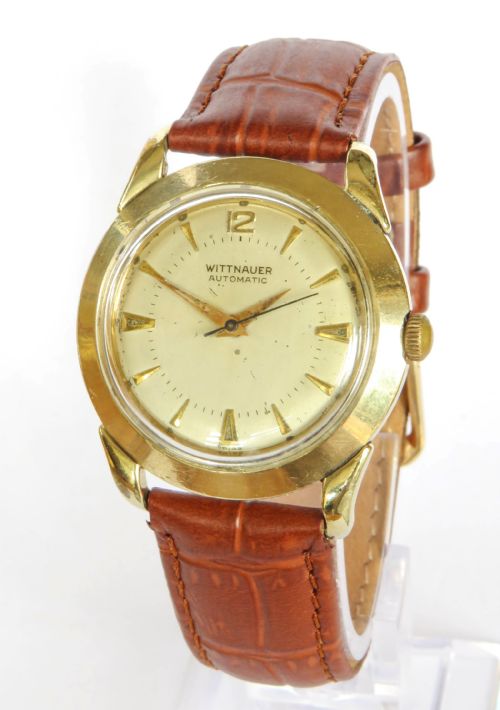
Cases combine stainless steel, brass, and gold plate alongside solid 9ct and 18ct yellow and rose gold constructions. Dials sit behind glass or acrylic crystal lenses, while straps utilise leather materials.
Movements rely on mechanical ingenuity, encompassing manual wind calibres and automatic winding systems. Chronograph mechanisms and calendar complications integrate into the internal brass and metal architecture.
1950s Swiss Timepiece Retail Price Guide 2026
Typical asking prices for 1950s swiss timepiece among the pieces listed under this phrase on Sellingantiques today, from the lower quarter to the upper quarter. They describe what is for sale here now, not the wider market.
Listings feature stainless steel, gold plate, brass, and solid gold materials alongside leather straps.
What varies in quality
Material choice dictates the baseline tier, moving from gold-plated and stainless steel housings up to solid 18ct gold cases. The complexity of the internal movement also separates standard manual wind pieces from intricate chronographs and triple calendar complications.
The presence of original boxes, specific dial variations such as honeycomb textures, and established maker signatures elevate individual pieces within the mid-century horology spectrum.
Omega·Montilier·Festina·Eterna Matic·Bravingtons·DeRe·Primula·Enicar·Wittnauer·Dogma Prima·Rotary·Lanco·Prisma·Longines·Fludo·Ebana·Baume And Mercier·Miramar·Jaeger LeCoultre·Tudor·Chronographe Suisse·Rolex
The 1950s Swiss Timepiece Glossary
- Chronograph
- A watch with a stopwatch function alongside its standard timekeeping display. These complications require intricate gear trains within the movement.
- Automatic
- A mechanical movement that winds itself using the natural motion of the wearer's wrist. A weighted rotor spins inside the case to tension the mainspring.
- Acrylic
- A transparent plastic material utilised for watch crystals during the mid-century period. It offers flexibility and can be polished if scratched.
- Calibre
- The specific internal movement design and designation created by a watch manufacturer. Collectors often reference these numbers to identify specific mechanical generations.
- Manual Wind
- A timekeeper requiring the wearer to turn the crown by hand to tension the mainspring. These movements lack the weighted rotor found in automatic models.
1950s Swiss Timepiece: Frequently Asked Questions
How do I wind a manual watch?
Gently rotate the crown between your thumb and forefinger clockwise until you feel slight resistance. Stop immediately once tension increases to avoid damaging the internal mainspring.
Perform this action at a consistent time each day if you wear the piece regularly. Avoid over-winding, as forcing the crown past the resistance point breaks the mechanism.
Are these watches waterproof?
Vintage mid-century timepieces lack modern rubber gasket seals and pressure resistance. Exposure to moisture, rain, or humidity allows water to enter the case and corrode the internal steel and brass components.
Keep these items entirely away from water during daily wear. Even pieces labeled with terms like waterproof from that era should be treated as non-resistant today.
How should I store a desk clock?
Place desk clocks on a stable, level surface away from direct sunlight and fluctuating temperatures. Sunlight degrades dial paints and leather or brass finishes over extended periods.
Wind mechanical 8-day desk clocks according to their specific movement intervals. Keep them away from high-traffic vibration areas to protect the delicate balance wheel.