




1950s Platinum Cocktail Ring
A 1950s platinum cocktail ring brings unmistakable mid-century glamour to the hand, combining substantial precious stones with striking sculptural design.
1950s Platinum Cocktail Ring
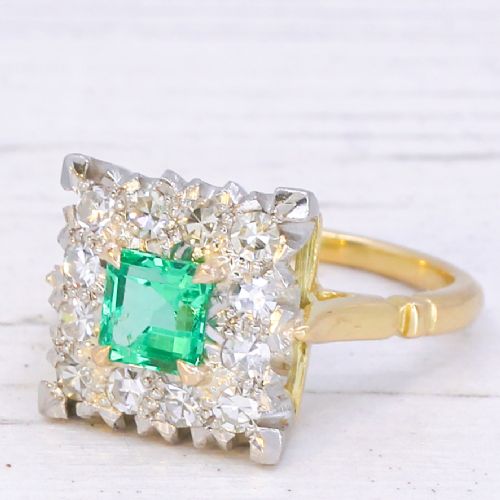
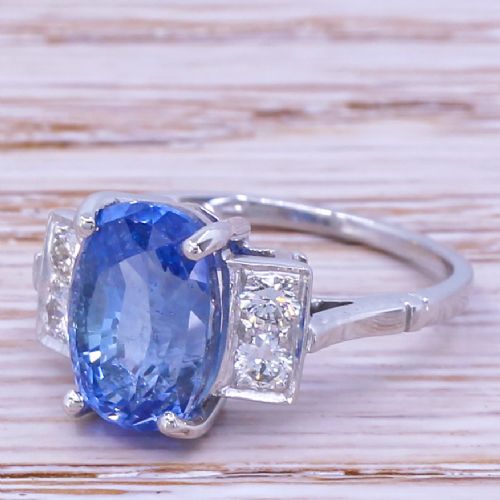
A 1950s platinum cocktail ring is defined by bold centre stones framed by intricate diamond work, reflecting the optimistic high-jewellery aesthetics of the post-war decade. These pieces typically manifest as cluster, ballerina, bombé or tank designs that prioritise visual impact and substantial scale.
The most common examples on this page utilise durable platinum settings to securely anchor large sapphires, emeralds or diamonds. Alongside these prominent stones, specimens featuring pearls, rubies and zircons appear within mid-century and retro stylings.
Originating predominantly from the 1950 period, these rings capture a specific moment when jewellers moved away from strict wartime austerity towards opulent, expressive forms. The survivors of this era range from delicate diamond clusters to massive sapphire centrepieces weighing over ten carats.
Materials and Technique
Craftsmanship in these pieces relies heavily on platinum as the primary metal, chosen for its strength to hold large precious stones securely without heavy prongs. White gold and yellow gold also appear in supporting or contrasting roles within the metalwork.
Setting techniques combine meticulous diamond pavé with claw or cluster arrangements that elevate the central sapphire, emerald or diamond to catch the light. Goldsmiths utilised structured mounting styles, including bombé and scalloped silhouettes, to build three-dimensional depth into each ring.
Some cocktail rings from this decade contain enough platinum and diamonds to double as miniature works of art that happened to fit on a finger.
Evaluating Quality
Quality in a mid-century cocktail ring rests upon the natural provenance and scale of the central gemstone, particularly unheated sapphires or minimal-oil emeralds. The optical presence of these major stones dictates the standing of the piece within the era's output.
Mastery of execution is visible in the integration of the surrounding diamond work and the architectural integrity of the platinum mounting. Superior examples demonstrate balanced proportions where the secondary stones enhance the central gem without overpowering the clean lines of the period design.
Boucheron
The 1950s Platinum Cocktail Ring Glossary
- Platinum
- A dense, durable white precious metal favoured in mid-century high jewellery for its strength and bright lustre. It allows for ultra-fine settings that secure large gemstones safely.
- Ballerina ring
- A cluster ring style featuring a central gemstone encircled by a radiating halo of tapered baguettes or diamonds resembling a tutu. This design gained immense popularity during the mid-century period.
- Bombé ring
- A heavily domed cocktail ring style that curves outwards into a voluminous, rounded profile. These pieces pack substantial presence on the finger through clustered pavé stones.
- Tank ring
- A robust, geometric jewellery style inspired by military machinery forms of the mid-20th century. They feature stepped platinum bands and bold central settings.
- Unheated sapphire
- A natural corundum gemstone that has undergone no artificial thermal enhancement to improve its colour or clarity. These untreated stones command particular respect among collectors.
1950s Platinum Cocktail Ring: Frequently Asked Questions
How do I wear a cocktail ring daily?
These robust mid-century rings were built for evening wear, so treat them with care if worn during daily activities. Reserve them for occasions where heavy manual impact is unlikely.
Pair them simply to let the platinum and central stones dominate the hand without competing accessories.
What defines a cocktail ring style?
Cocktail rings are oversized, statement-making finger ornaments designed to draw attention during social gatherings. They typically feature a large focal gemstone flanked by substantial diamond clusters.
This aesthetic flourished in the 1950s as a celebration of renewed luxury and expressive fashion.
How do I identify a 1950s setting?
Look for architectural motifs, heavy platinum construction, and specific cluster configurations like the ballerina or bombé silhouette. These design markers separate post-war creations from earlier Art Deco or later modernist jewellery.
The integration of mixed stone cuts within a single cluster also points directly to mid-century high jewellery workshops.
Are coloured gemstones natural in these rings?
Many listings feature certified natural gemstones such as unheated sapphires and emeralds with minimal oil treatments. Certification documents usually accompany these significant stones to confirm their origin.
Collectors prize these untouched origins for their rarity and enduring natural beauty.