

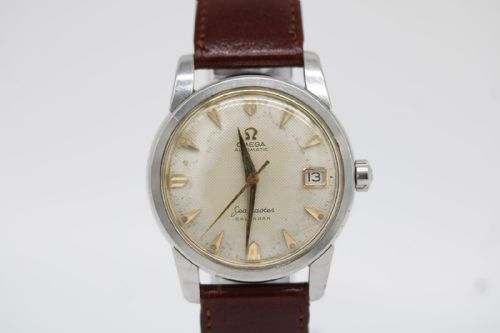


1950s Omega
These 1950s omega wristwatches combine mid-century modern design with precise Swiss engineering, offering lasting mechanical appeal to collectors.
1950s Omega
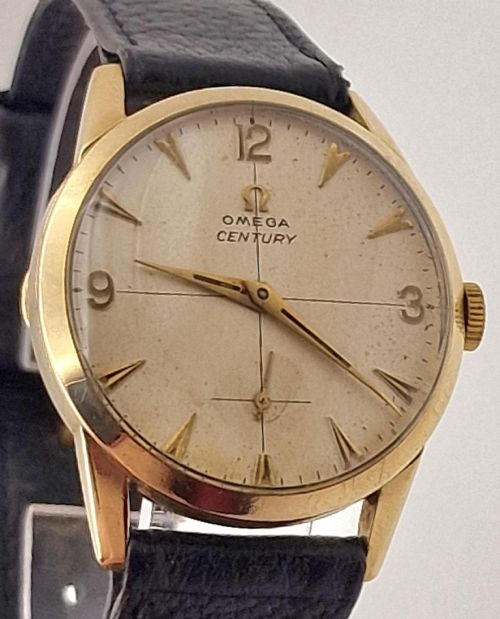
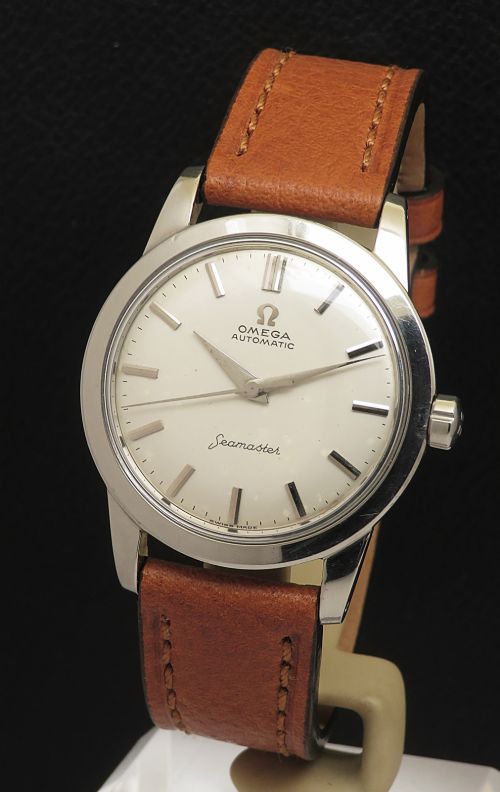
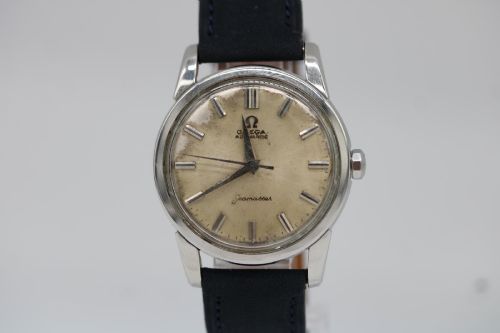
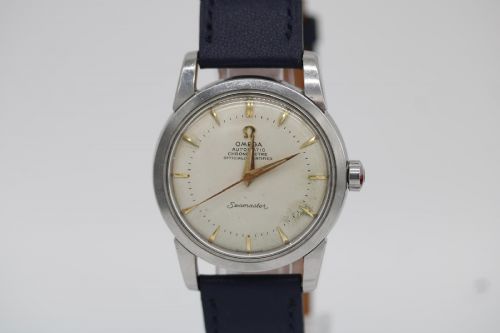
When you search for 1950s omega, you enter the golden era of mid-century watchmaking, where robust automatics and delicate cocktail pieces share the stage. The selections on this page span the decade from nineteen-fifty to nineteen-fifty-eight, featuring iconic lines such as the Seamaster alongside refined dress pieces.
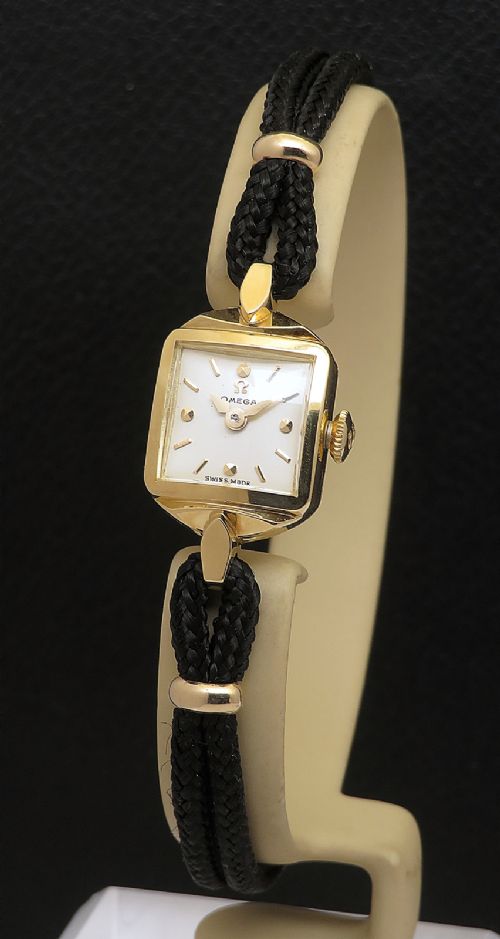
Most pieces you meet here take the form of gents wristwatches in stainless steel, gold plate, or solid gold cases, alongside smaller ladies cocktail watches. These objects capture the functional elegance of mid-century modern style, offering wearable history with distinct character.
The assortment includes bumper automatic movements, manual wind calibres, and chronometers housed in various case sizes from thirty-three millimetres up to jumbo proportions. Each model reflects the technical ambition and aesthetic restraint of the post-war decade.
How they were made
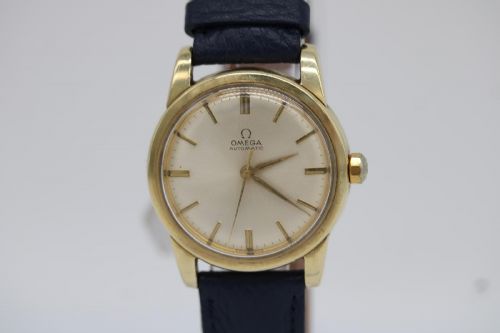
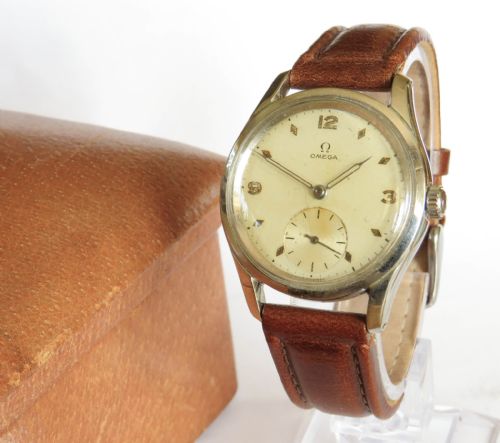
Case construction utilised durable stainless steel, gold-filled metals, and solid nine-carat, eighteen-carat yellow or white gold, often paired with acrylic glass crystals. Dials received careful detailing, from textured honeycomb patterns to classic black finishes, protected by secure fitted cases.
Movements relied on advanced mechanical engineering for the era, incorporating bumper automatic calibres like the three-forty-four and rotor automatics such as the five-zero-three, alongside dependable manual wind mechanisms. These intricate internal parts worked in harmony to deliver reliable timekeeping.
1950s Omega Retail Price Guide 2026
Typical asking prices for 1950s omega among the pieces listed under this phrase on Sellingantiques today, from the lower quarter to the upper quarter. They describe what is for sale here now, not the wider market.
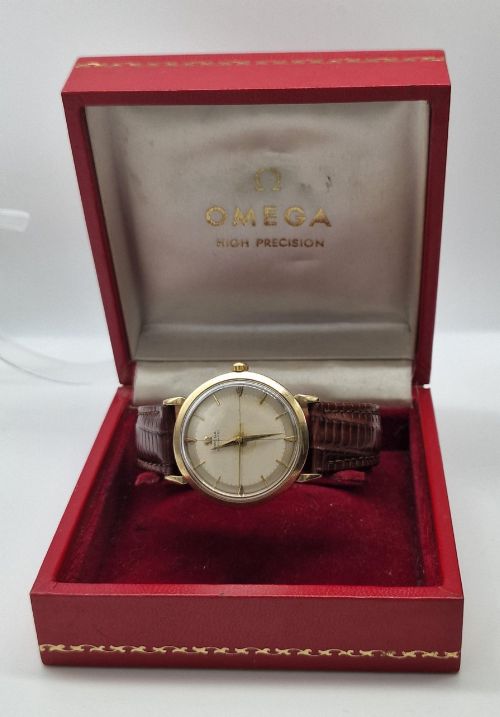
Some watches come preserved with their original fitted boxes, offering a delightful time capsule straight from the nineteen-fifties.
What varies in quality
The grade of the metal casing and the purity of the gold - ranging from plated variants to solid eighteen-carat gold and diamond-set white gold - strongly influence the distinction between standard production models and high-end dress pieces. Heavier solid gold cases and specialised chronometer certifications mark out the upper echelon.
The condition and originality of the dial and movement dictate the desirability of an individual piece, with untouched or fully restored historical examples holding particular appeal. Subtle details like original box inclusions and refined dial textures distinguish ordinary watches from exceptional specimens.
The 1950s Omega Glossary
- Seamaster
- A robust water-resistant model line introduced by the firm, known for durability and classic mid-century styling. These versatile watches became a cornerstone of the brand's catalogue.
- Bumper automatic
- An early self-winding mechanical movement where the rotor swings back and forth against springs rather than rotating fully. This design offers a distinctive tactile sensation on the wrist.
- Chronometer
- A high-precision watch movement that has successfully passed rigorous official rate tests for accuracy. Such pieces represent the pinnacle of mechanical reliability.
- Calibre
- The specific internal mechanical movement designation given by the manufacturer. Knowing the calibre number helps identify the exact mechanism inside the case.
- Honeycomb dial
- A textured watch face featuring a raised grid pattern resembling a honeycomb. This decorative finish adds depth and visual interest under the crystal.
1950s Omega: Frequently Asked Questions
What is a bumper automatic?
A bumper automatic is an early self-winding movement where the rotor swings back and forth within a restricted arc rather than spinning in a full circle. You can often feel a slight thump on your wrist as the internal weight hits the buffer springs.
This mechanical characteristic defines many automatic watches from the earlier part of the decade before full-rotor systems became standard industry practice.
How do I date a timepiece?
Dating these watches involves examining the serial numbers found on the internal movement or inside the case back. Matching these numbers against production ledgers allows for precise chronological placement.
Stylistic cues such as case dimensions, dial typography, and specific calibre numbers also provide strong indications of the manufacturing period.
Are these watches waterproof?
While models like the Seamaster were originally built with water-resistant sealing for active use, vintage seals degrade over decades. Exposing an unserviced vintage timepiece to moisture can cause internal damage.
Modern owners generally keep these watches away from water unless professional gaskets have been recently installed and tested.
What is a jumbo case?
A jumbo case refers to a wristwatch housing that is noticeably larger than the standard proportions typical of its era. During this period, dress and everyday watches frequently measured around thirty-three millimetres, making larger variants particularly striking.
These expanded dimensions match modern preferences for substantial wrist presence while retaining historical authenticity.