



1940s Original Art
These 1940s original art pieces capture mid-century expression through wartime works on paper and canvas.
1940s Original Art
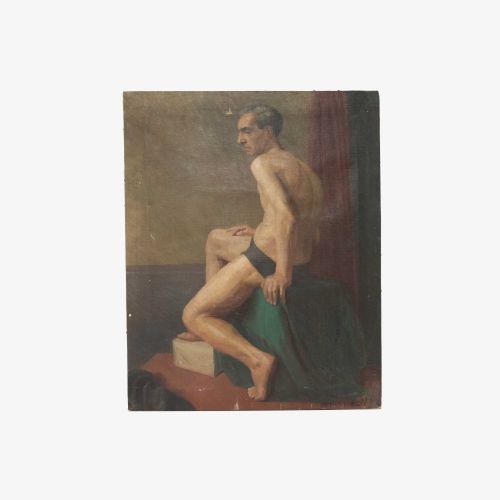
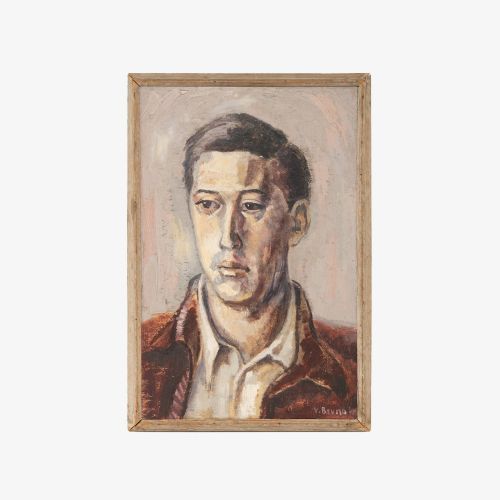
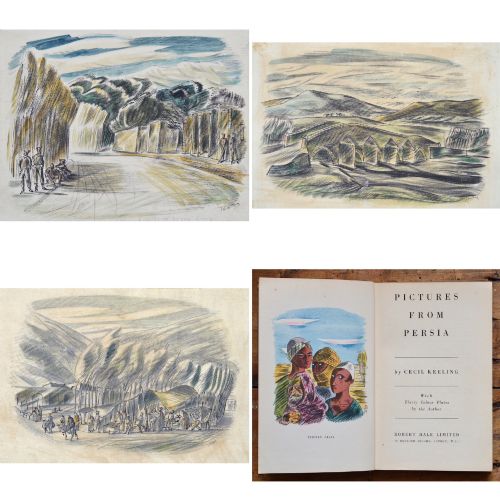
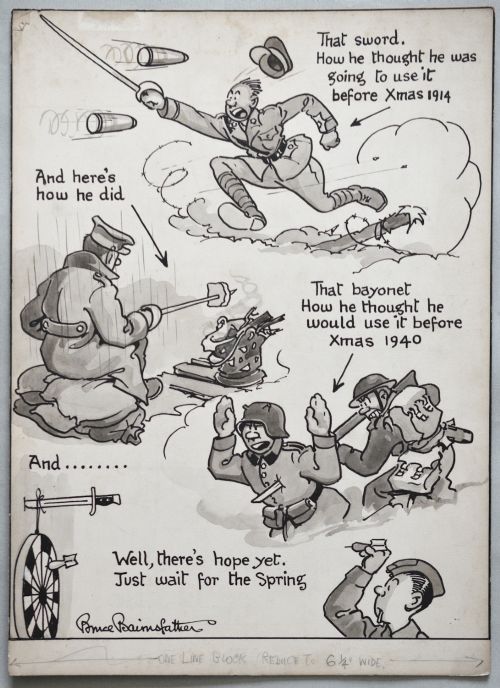
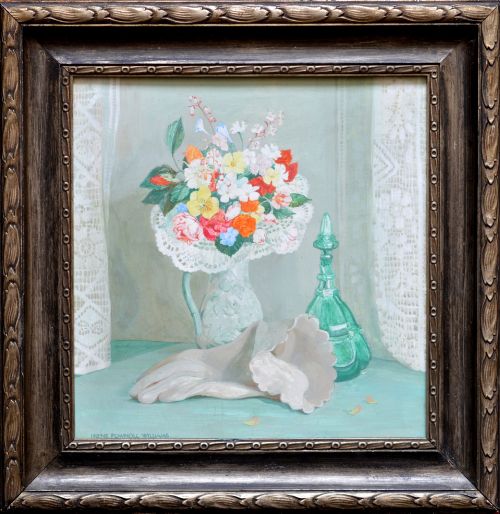
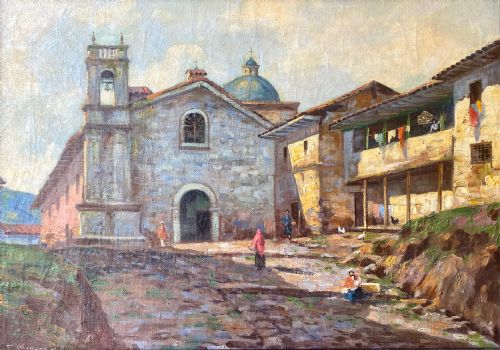
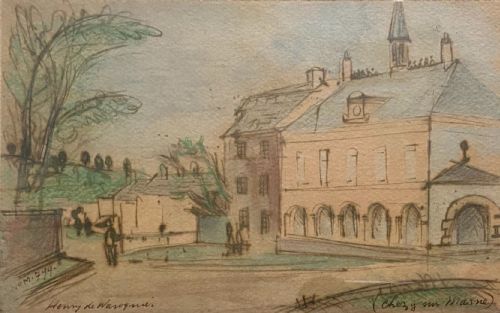
When you search for 1940s original art, you encounter a distinct selection of paintings, drawings and illustrations produced during a tumultuous decade. The works range from wartime sketches and satirical illustrations to bold modernist canvases and Impressionist street scenes.
You are most likely to meet watercolours, oils and mixed media pieces created across Britain, France, Latin America and the United States. Many carry specific dates or origins, documenting the creative output of artists working through the middle of the twentieth century.
Materials and techniques
Artists of this period utilised traditional supports including canvas, wooden panels, metal and various qualities of paper. Pigments were applied as oil paint, watercolour, tempera, ink and pencil, sometimes combined in mixed media compositions.
The physical execution reflects both wartime scarcity and modernist experimentation, with works executed swiftly in the field or meticulously layered in the studio.
1940s Original Art Retail Price Guide 2026
Typical asking prices for 1940s original art among the pieces listed under this phrase on Sellingantiques today, from the lower quarter to the upper quarter. They describe what is for sale here now, not the wider market.
Several wartime sketches doubled as book illustrations, proving that even air-raid shelters made fine studios.
Distinctions in quality
Quality rests upon the sureness of the draftsmanship, the handling of the chosen medium and the clarity of the artistic vision. Superior pieces demonstrate a confident mastery of composition and colour, whether the subject is a quiet still life or a dynamic harbour scene.
Provenance and documentation also separate standard decorative works from significant historical examples. Pieces linked directly to known exhibitions, book illustrations or established artist networks carry greater weight.
Denis Mitchell·James Tower·Frank Dobson·John Gilroy·Robert Mouseman Thompson
The 1940s Original Art Glossary
- Mixed media
- An artwork created using two or more distinct artistic materials, such as watercolour combined with ink and pencil.
- Tempera
- A permanent, fast-drying painting medium consisting of coloured pigment mixed with a water-soluble binder.
- Impressionism
- A style of painting characterised by relatively small, thin yet visible brush strokes and an emphasis on accurate depiction of light.
- Modern British
- An umbrella term for art produced in Britain during the twentieth century that embraced European modernist developments.
- Wartime drawing
- An original work executed during the conflict years, frequently documenting military life, civilian resilience or home front conditions.
1940s Original Art: Frequently Asked Questions
What defines art from this decade?
Art from this decade reflects the profound social and political shifts of the Second World War and its immediate aftermath. Makers responded through varied lenses, ranging from stark documentary illustrations to escapist still lifes and avant-garde abstraction.
Many pieces embody the spirit of resilience, capturing daily scenes or wartime environments with notable immediacy. The materials often reflect the constraints of the period, utilising whatever paper or canvas was accessible.
How should I care for paper works?
Works on paper require careful protection from direct sunlight to prevent the fading of watercolours, inks and coloured pencils. Framing with acid-free mounts ensures the paper does not discolour over time.
Display these pieces in rooms with stable humidity levels to avoid warping or mould growth. Keeping them away from heat sources preserves both the support and the delicate pigments.
Are these works signed by the artist?
Many of the pieces carry signatures, initials or contemporaneous inscriptions left by the maker. Documentation such as original receipts or exhibition histories sometimes accompanies the artwork.
Unsigned works are frequently attributed through stylistic analysis, known provenance or matching studio records. Archivists and dealers rely on period framing and inscriptions on the reverse to confirm origins.
Where were these pieces produced?
The inventory encompasses works created across Britain, France, Latin America and the United States. Regional movements, such as the St Ives School, heavily influenced the style and subject matter of works originating in specific coastal hubs.
Continental artists often engaged with European expressionism and surrealism, while British makers balanced traditional landscape and portraiture with emerging modernism.