

1930s Wooden Storage
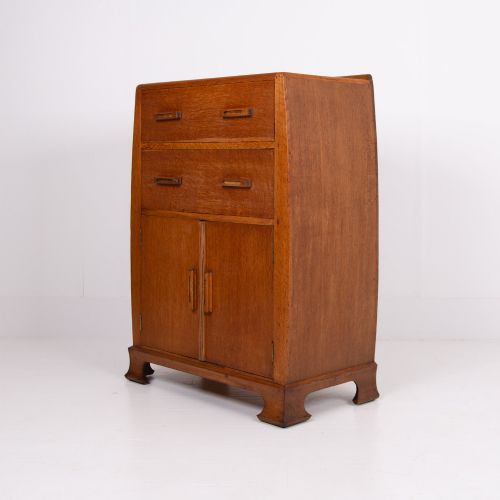
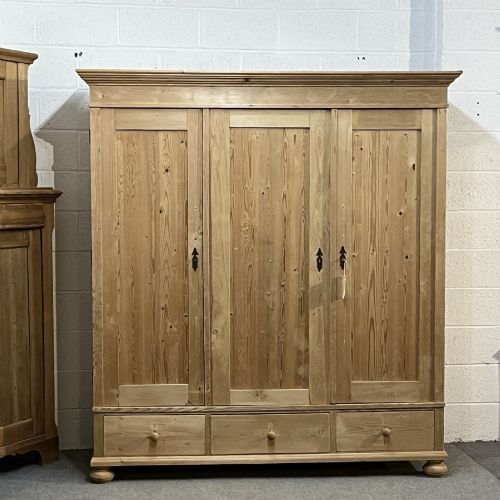
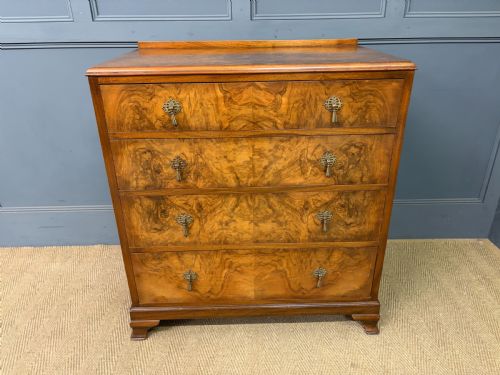
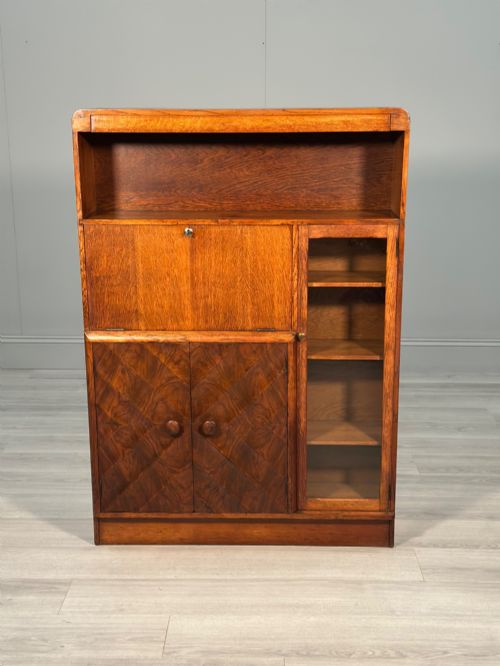
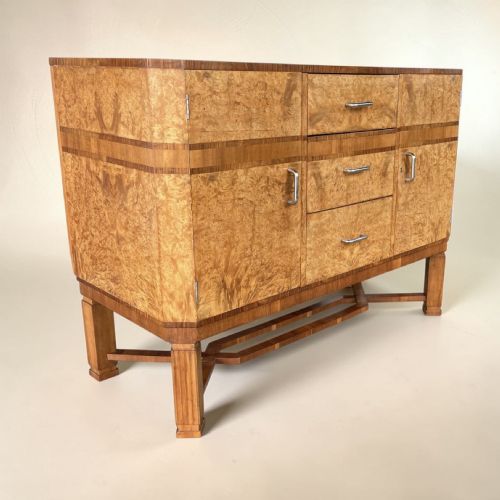
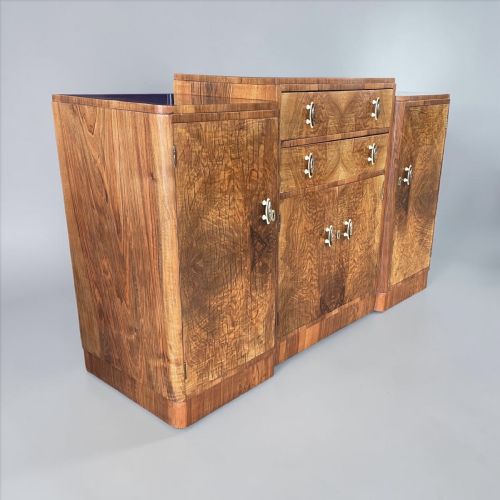
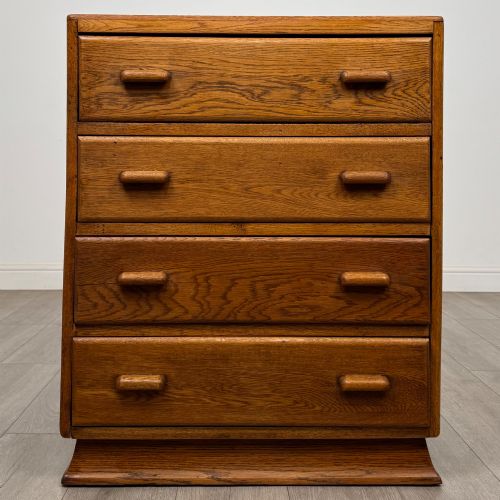
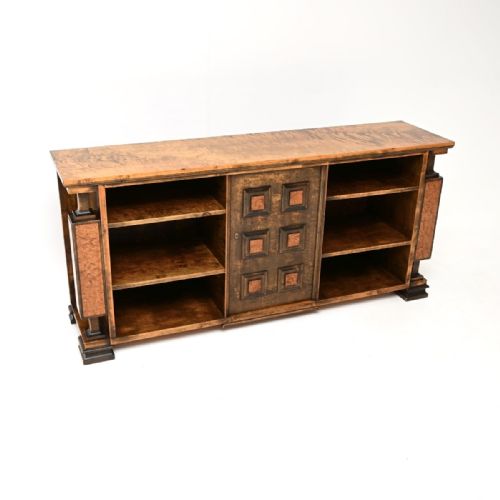
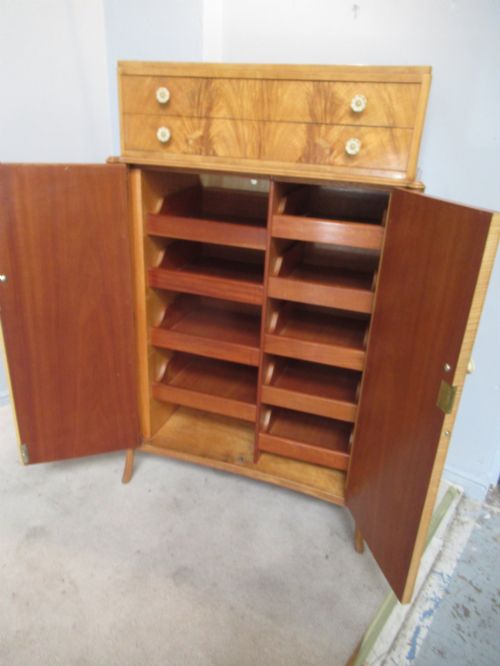
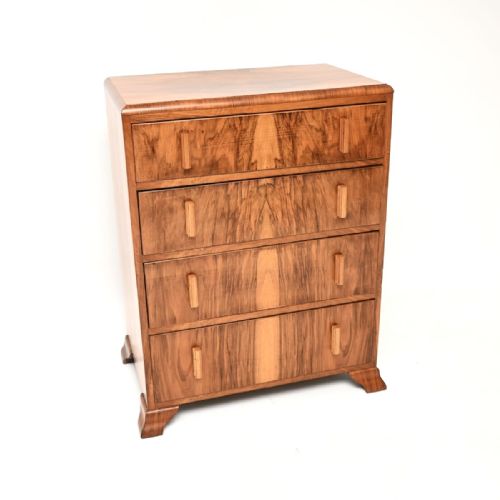
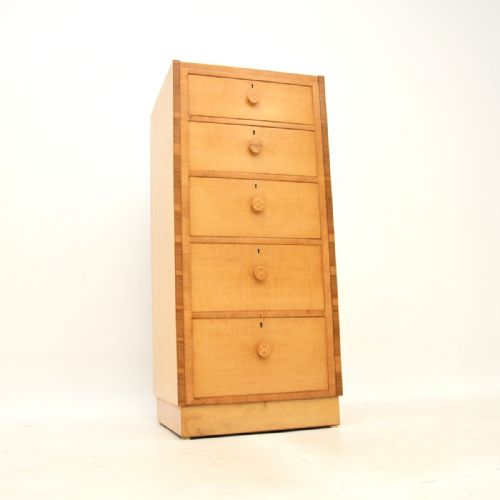
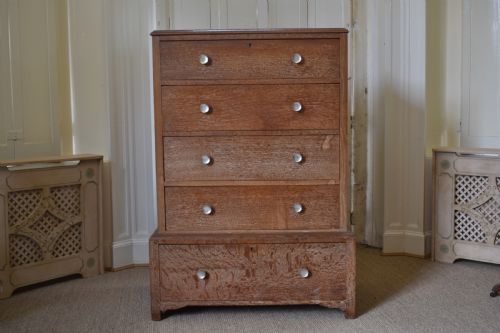
These pieces of 1930s wooden storage bring practical utility and period design together through fitted drawers, cabinets, and bookcases.
1930s Wooden Storage
When searching for 1930s wooden storage, buyers encounter utilitarian office filing cabinets alongside domestic chests of drawers, sideboards, and wardrobes. These items served everyday organisational needs in homes and institutions during the interwar decades.
The most common forms seen on this page span oak chests, walnut cabinets, and bureau bookcases built with distinct regional influences. British makers sit alongside Scandinavian and French workshops, showing varied approaches to domestic storage.
Objects range from small spice cabinets and music storage units to large sideboards and tallboys. Each piece reflects the functional requirements of its original setting, whether an office, school, or living room.
Materials and construction methods
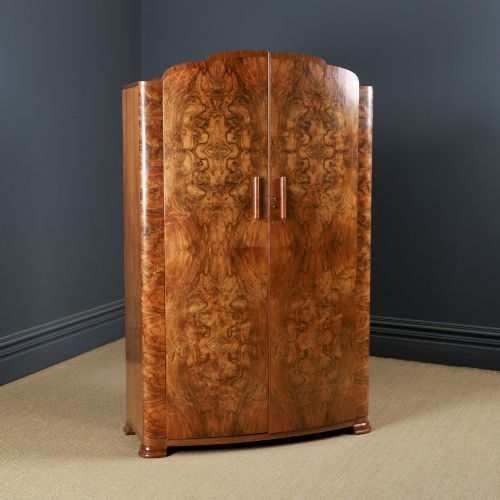
Construction relies heavily on solid hardwoods like oak, mahogany, and walnut, often enhanced with decorative wood veneers such as burr walnut, sycamore, satin birch, and maple. Metal elements like brass handles and tambour mechanisms appear alongside glass doors to complete the functional hardware.
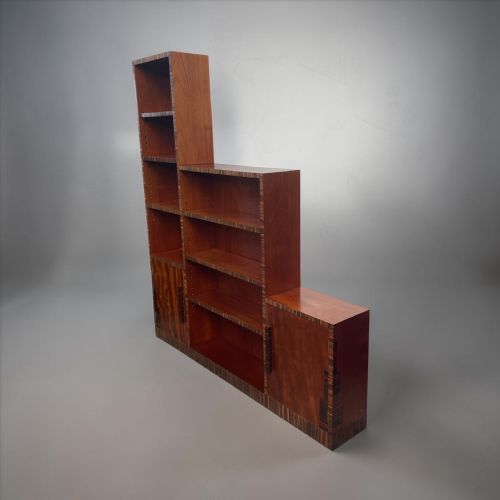
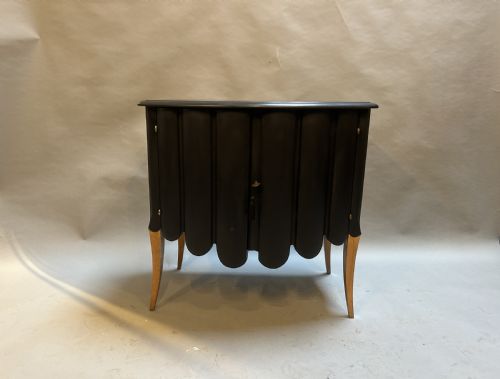
Cabinet makers utilised traditional joinery combined with emerging industrial techniques to create stepped bookcases, tambour fronts, and carved panels. Surfaces were finished with liming, polishing, or ebonising to highlight the natural grain of the timber.
1930s Wooden Storage Retail Price Guide 2026
Typical asking prices for 1930s wooden storage among the pieces listed under this phrase on Sellingantiques today, from the lower quarter to the upper quarter. They describe what is for sale here now, not the wider market.
Listings feature woods such as walnut, oak, mahogany, pine, and satin birch, alongside styles ranging from Art Deco to Arts & Crafts.
Distinctions in quality and execution
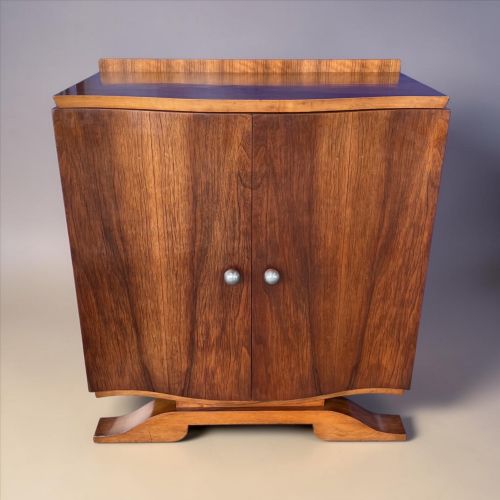
Quality reveals itself in the selection of timber veneers and the precision of the grain matching across drawer fronts and cabinet doors. Superior examples display careful handling of figured walnut, satin birch, or oak, where the natural patterns dictate the visual rhythm of the piece.
Construction integrity separates standard workshop production from notable commissions by recognised makers or firms. Clean operation of drawers, smooth tambour fronts, and robust internal framing indicate high standards of craftsmanship.
E Gomme·Hille·Bowman Brothers·Heal's·Otto Schulz for Boet
The 1930s Wooden Storage Glossary
- Tambour front
- A flexible door made of narrow wooden slats glued to a canvas backing, allowing it to slide smoothly around a curved track. This mechanism is frequently found on office filing cabinets and compact storage units.
- Tallboy
- A tall piece of furniture combining a chest of drawers with a wardrobe or upper cabinet section. These units maximise vertical storage space in bedrooms.
- Bureau bookcase
- A combination unit featuring a sloping desktop that folds down for writing, situated above drawers and beneath open or glazed bookshelf compartments.
- Veneer
- A thin layer of fine wood applied to a coarser timber base to provide a decorative surface. Figured walnut and satin birch veneers are typical of interwar cabinet work.
- Limed oak
- Timber treated with a specialised finish that leaves a white pigment in the open pores of the grain. This technique lightens the wood and emphasises its texture.
1930s Wooden Storage: Frequently Asked Questions
How do I identify a 1930s storage piece?
Look for geometric lines, stepped profiles, and the use of figured walnut, oak, or birch veneers characteristic of the period. Hardware often includes simple wooden handles or understated brass fittings.
Construction methods also provide clues, as many items combine traditional dovetail joinery with modern mechanical elements like tambour shutters or steel filing inserts.
Were these cabinets used in offices or homes?
Interwar storage pieces served both domestic and institutional environments depending on their form. Sideboards, music cabinets, and chests of drawers furnished living spaces and bedrooms.
Meanwhile, tambour front units and specialised multi-drawer cabinets equipped schools, offices, and libraries for organised record keeping.
How do I care for wood veneer surfaces?
Maintain veneered walnut, oak, and birch surfaces by keeping them away from direct sunlight and excessive moisture. Regular dusting with a soft, dry cloth prevents particulate accumulation.
Apply specialist wax polish sparingly to nourish the timber and maintain the natural sheen of the polished finish without buildup.
What distinguishes Art Deco storage from earlier styles?
Art Deco storage emphasises streamlined silhouettes, symmetrical grain patterns, and stepped architectural forms rather than the ornate carving typical of Victorian furniture. Decoration is derived from contrasting timber veneers rather than applied ornamentation.
Earlier Edwardian or Arts and Crafts pieces tend to feature simpler rectilinear designs with exposed joinery and solid timber construction.