


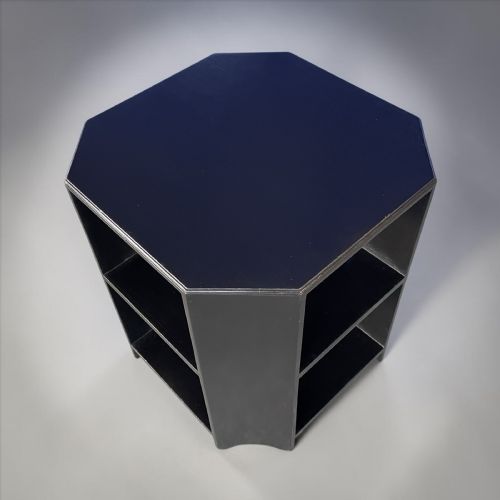
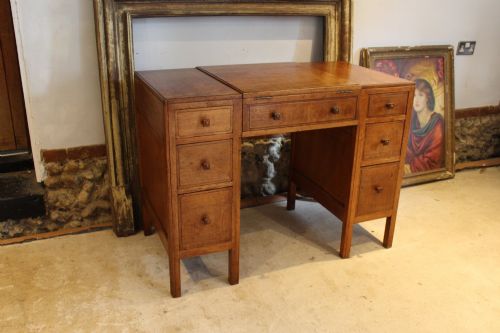


1930s Wooden Pedestals
These 1930s wooden pedestals bring striking architectural presence and practical display space to a room.
1930s Wooden Pedestals
These 1930s wooden pedestals encompass sculptural torchieres and column supports designed during the interwar period. The examples found here typically date from around 1930 and reflect the dominant design ethos of that decade.
Buyers searching for 1930s wooden pedestals frequently encounter tall supports intended for displaying decorative objects, urns, or lighting. The physical forms range from clean geometric columns to stepped profiles.
Originating primarily within European workshops, these stands demonstrate how period makers adapted classical pillar forms to modern modernist interiors. They function equally as standalone sculptural objects and as functional display surfaces.
How they were made
Cabinetmakers constructed these pedestals using solid timber frames overlaid with choice veneers. Walnut and burr walnut appear frequently alongside oak and exotic timbers such as macassar ebony.
Techniques relied on precise joinery to build rigid, stable columns capable of supporting weight at height. Surface finishing involved polishing the timber to accentuate the natural grain patterns intrinsic to Art Deco design.
The designs span Art Deco and Cotswold School movements originating around 1930.
What varies in quality
The choice of surface veneer heavily influences the distinction between standard production pieces and exceptional examples. Highly figured burr walnut and contrasting exotic woods elevate the visual impact of the piece.
Structural engineering and the precision of stepped architectural mouldings define the upper tiers of manufacture. Clean lines and balanced proportions separate utilitarian stands from works by notable designers.
Heal's·Heal & Sons·Étienne Kohlmann·Maurice Adams
The 1930s Wooden Pedestals Glossary
- Torchiere
- A tall stand or floor lamp designed to hold a light source or display an object at height. These tall supports anchor vertical space in a room.
- Art Deco
- The dominant design style of the 1920s and 1930s characterised by sleek geometric shapes and streamlined forms. This aesthetic defined luxury manufacturing of the era.
- Burr walnut
- A wood harvested from the warted growth on a walnut tree, yielding complex swirling grain patterns. Cabinetmakers prized this material for decorative veneering.
- Macassar ebony
- A heavily variegated exotic hardwood featuring dark brown and warm golden stripes. This dense timber added dramatic contrast to interwar furniture.
1930s Wooden Pedestals: Frequently Asked Questions
What are 1930s wooden pedestals used for?
These tall stands serve primarily as display platforms for sculptural objects, vases, or table lamps. They elevate decorative items to create focal points within an interior.
Collectors also utilise them as standalone architectural elements to add vertical interest to room corners or empty wall spaces.
How do I identify a 1930s pedestal?
Examine the geometric silhouette, stepped profiles, and choice of timber veneers typical of the interwar period. Walnut, oak, and exotic hardwoods dominate manufacturing from this decade.
Construction methods and finish details often align with Art Deco or Cotswold School design principles prevalent around 1930.
How do I care for wooden pedestals?
Maintain the polished timber surface by dusting regularly with a soft, dry cloth. Avoid placing wooden stands in direct sunlight or near heat sources to protect the delicate veneers.
Apply a traditional furniture wax occasionally to nourish the grain and preserve the lustre of the finish.
Are these pedestals stable enough for heavy items?
The structural stability depends on the base footprint and the weight distribution of the central column. Most period stands easily support standard decorative bowls, urns, or lamps.
Ensure the pedestal rests on an even floor surface to prevent wobbling when displaying valuable or fragile objects at height.