

1930s Wooden Cupboard
When you handle a 1930s wooden cupboard, you hold a tangible piece of domestic design that bridges traditional craftsmanship with modernist geometry.
1930s Wooden Cupboard
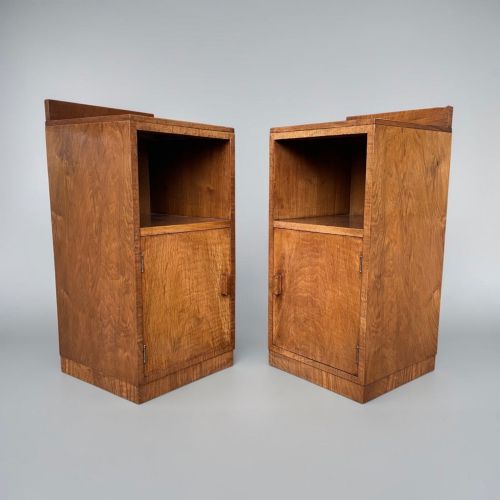
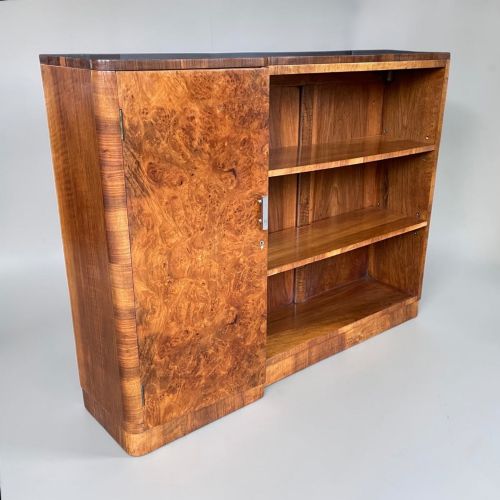
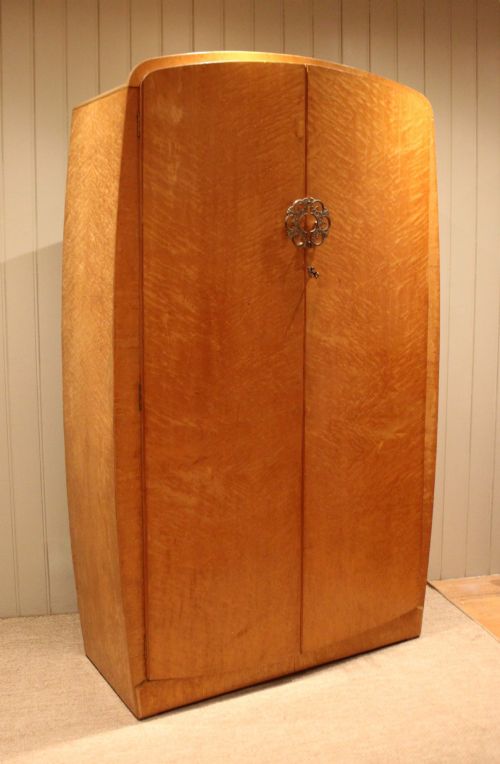
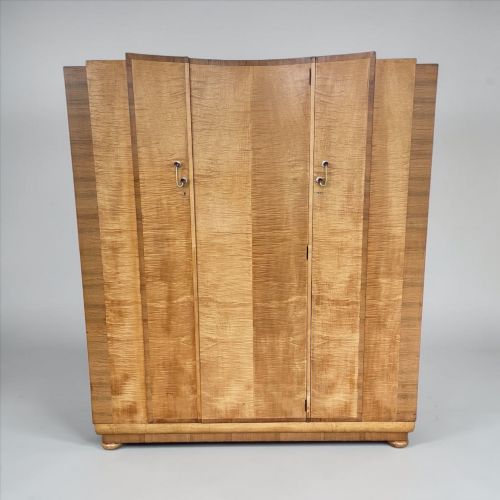
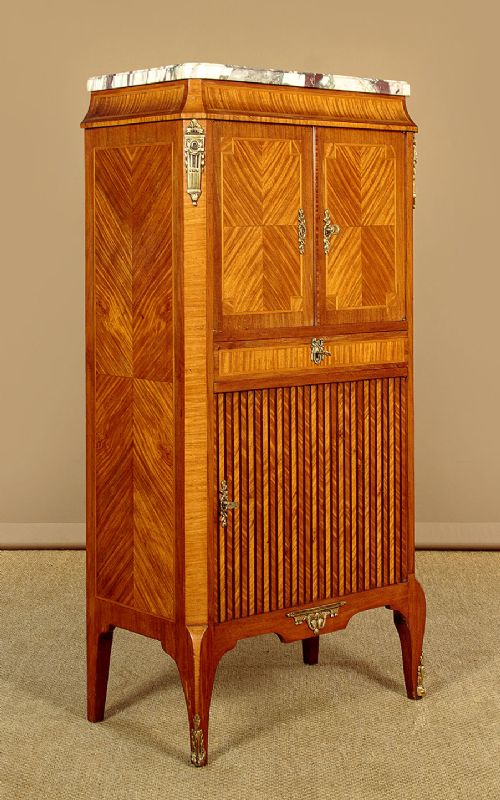
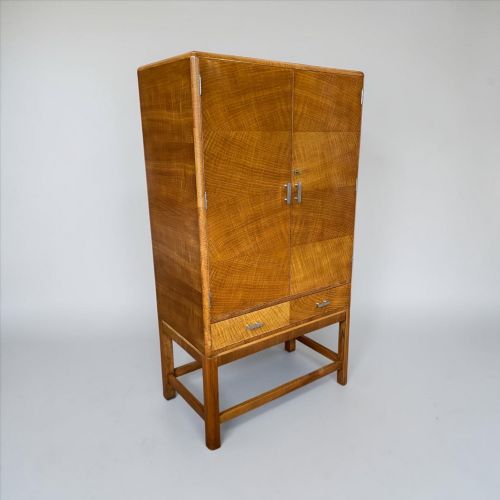
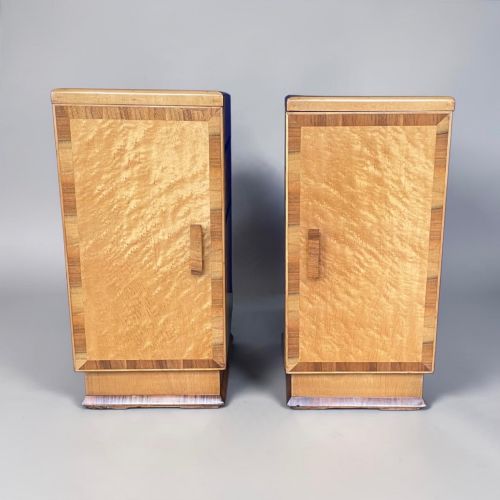
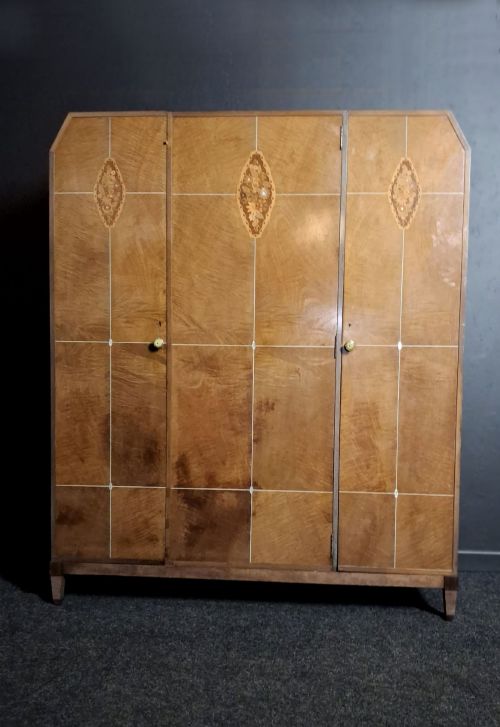
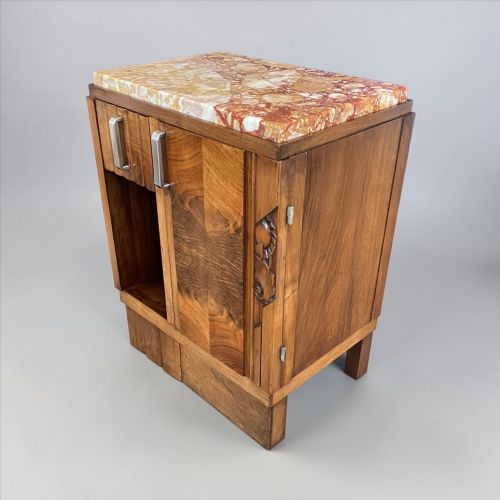
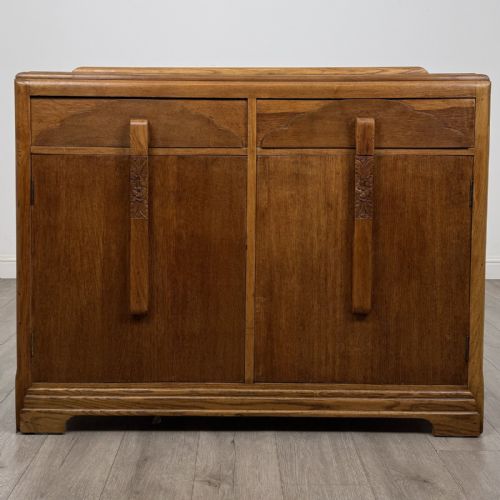
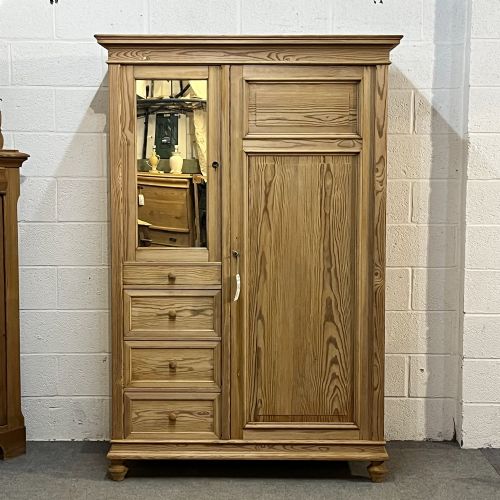
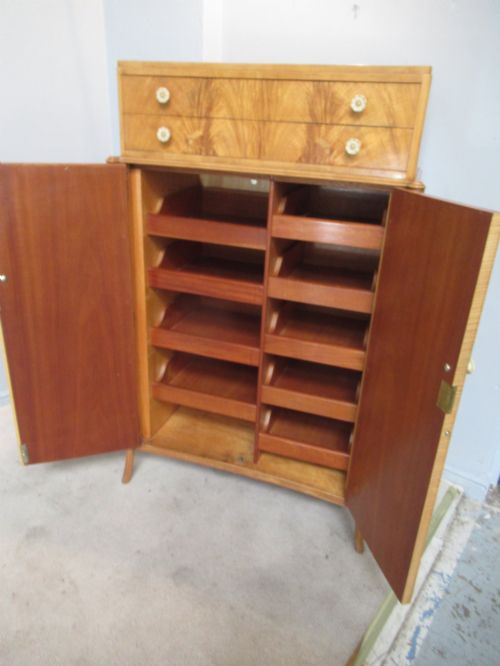
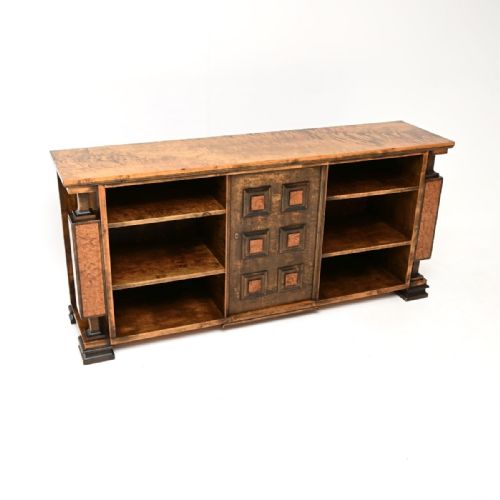
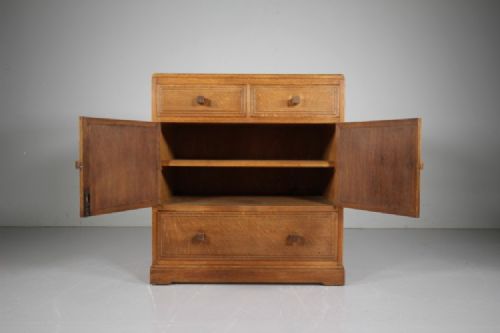
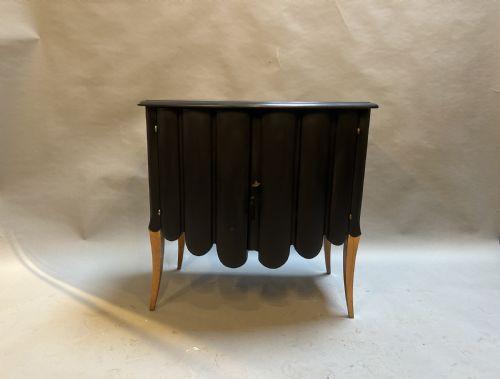
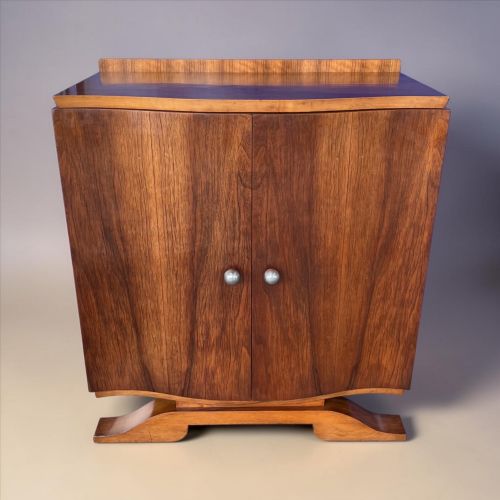
A 1930s wooden cupboard encompasses a diverse range of domestic storage forms produced during the interwar period, spanning compact bedside units to grand architectural wardrobes. When buyers search for a 1930s wooden cupboard, they most frequently encounter oak and walnut sideboards, bedside cabinets, and tall storage pieces reflecting the prevailing aesthetic movements of the decade.
The objects listed demonstrate a strong presence of Art Deco alongside regional vernacular styles like 1930s Country and the Cotswold School. Forms vary from simple pine dressers and spice cabinets to elaborate cocktail drinks cabinets and bureau bookcases.
Makers and institutions of the era produced these pieces in various timbers, shaping the character of domestic interiors from British schools to French salons. Buyers typically select these items to introduce period utility and distinct modernist or traditional lines into contemporary rooms.
Materials and construction
Cabinet makers of this period utilised a broad palette of solid woods and decorative veneers, notably oak, walnut, mahogany, and pine, alongside exotic highlights like satin birch, kingwood, and maple. Surfaces were frequently polished to showcase the natural grain patterns of burr elm and walnut, anchoring the visual appeal of Art Deco and traditional designs.
Construction techniques combined traditional joinery with emerging modernist forms, incorporating brass hardware and glass panels to complement the timber structure. Whether executed as plain pine utility items or hand-painted pieces in the Pre-Raphaelite style, these cupboards rely on honest assembly methods suited to domestic service.
1930s Wooden Cupboard Retail Price Guide 2026
Typical asking prices for 1930s wooden cupboard among the pieces listed under this phrase on Sellingantiques today, from the lower quarter to the upper quarter. They describe what is for sale here now, not the wider market.
The listings demonstrate a strong preference for walnut, oak, and pine across furniture forms that include bedside tables, sideboards, and cocktail cabinets.
Understanding quality
The distinction between standard utility items and exceptional pieces rests upon the selection of timber and the ambition of the design. Workshops employing figured veneers such as burr walnut or satin birch achieve a visual depth entirely distinct from plain painted pine or standard oak.
Attribution to documented makers or specific schools of design elevates a piece from ordinary manufacture to collector status. The integration of specialised hardware, mirrored compartments, and sophisticated internal cabinetry marks the upper tier of interwar production.
E Gomme·Bowman Brothers·Heal's·Betty Joel·Otto Schulz for Boet
The 1930s Wooden Cupboard Glossary
- Art Deco
- A design style characterised by sleek geometric shapes, streamlined forms, and stylised motifs that dominated international design during the interwar period. It influences many sideboards, cabinets, and bedside tables from this era.
- Bureau bookcase
- A combination furniture piece featuring a sloping desk flap folding down over drawers, surmounted by a set of bookshelves enclosed by doors. Examples from this period often utilise oak or walnut.
- Compactum wardrobe
- A large fitted wardrobe designed to maximise internal storage efficiency through a combination of hanging space, shelves, and internal drawers. They frequently appear in pine or mahogany.
- Tallboy
- A traditional tall chest of drawers standing on a base or legs, or a high wardrobe unit. These pieces provide vertical storage capacity in bedrooms.
- Raised gallery
- A low decorative upstand or railing running along the top rear edge of a sideboard or cabinet. This feature serves to prevent items from sliding off the surface.
1930s Wooden Cupboard: Frequently Asked Questions
What defines a 1930s wooden cupboard?
These pieces represent the domestic storage solutions of the 1930s, encompassing bedside cabinets, sideboards, wardrobes, and cocktail cabinets.
They reflect a transitional design landscape where traditional oak country pieces share space with sleek Art Deco walnut and birch creations.
Where were these cupboards used?
Interwar cupboards served functional roles throughout the home, from bedroom bedside tables and wardrobes to dining room sideboards and living room drinks cabinets.
Institutional and school cupboards also fulfilled practical storage duties in educational and public buildings.
How should I care for timber surfaces?
Maintain finished wood surfaces by keeping them away from direct heat sources and fluctuating moisture levels that can harm veneers.
Regular dusting with a dry cloth preserves the polished lustre of walnut, oak, and mahogany without damaging the historical finish.