


1930s White Gold Ring
A 1930s white gold ring delivers geometric punch and bright stones, pairing precious metal with classic old cut diamonds.
1930s White Gold Ring
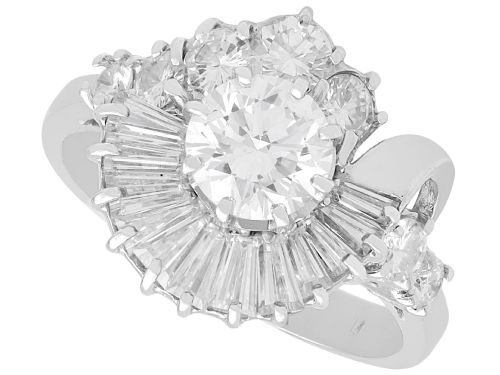
A 1930s white gold ring represents the geometric precision of the Art Deco period, often taking the form of an engagement ring, dress ring, or cocktail ring. These pieces showcase crisp lines and structured settings designed to highlight central gemstones.
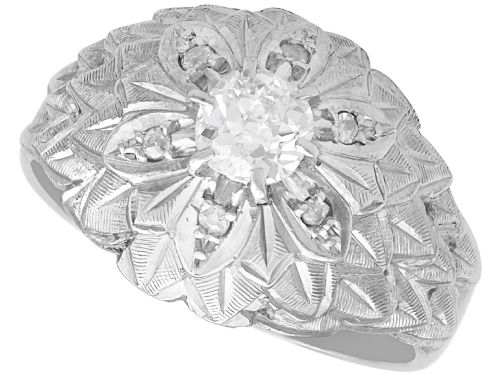
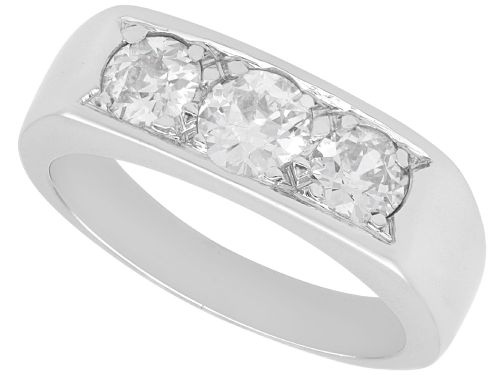
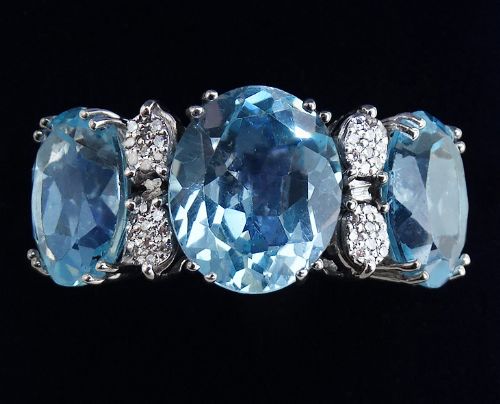
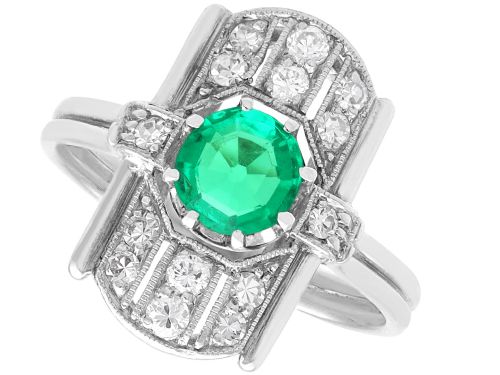
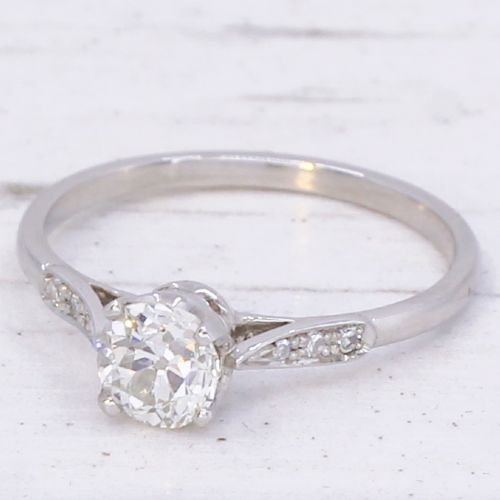
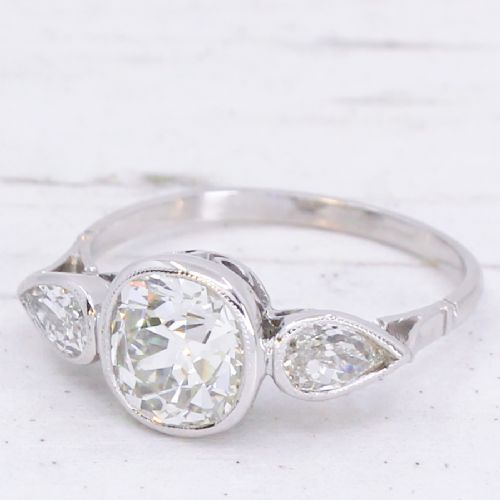
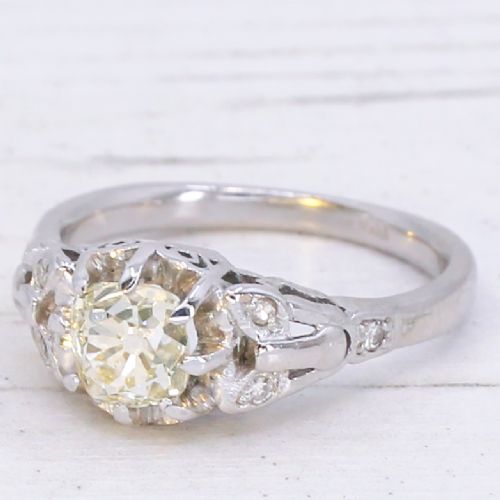
Most examples found in this selection pair white gold or platinum with diamonds, occasionally incorporating rubies, sapphires, emeralds, aquamarines, or amethysts. The forms range from simple solitaire and trilogy arrangements to elaborate cluster and bombé configurations.
Originating predominantly from the interwar years around 1930 and 1935, these rings reflect a transition toward streamlined elegance in jewellery design. The surviving specimens combine durable metal alloys with hand-cut stones characteristic of the era.
How they were made
Goldsmiths utilised 18ct white gold, 14ct gold, and platinum to build durable, bright settings that held stones securely without overwhelming them. Platinum was frequently used alongside gold for maximum strength in detailed claw and pave settings.
Stones were cut by hand, resulting in old European cuts, transitional cuts, old cushion cuts, and old pear cuts that display softer facets than modern machine-cut stones. Jewellers arranged these diamonds around central coloured gems or in balanced multi-stone layouts.
Several rings manage to squeeze nearly nine carats of aquamarine or amethyst into a single finger.
What varies in quality
The standard of a piece depends heavily on the proportion and clarity of the central gemstone, alongside the intricacy of the metalwork. Hand-finished millegrain edges and precise geometric piercing separate superior work from simpler commercial output.
Originality of the setting and minimal wear to the metal claws determine the structural integrity of each piece. Rings that retain their original stone cuts and unaltered band thickness command greater interest.
The 1930s White Gold Ring Glossary
- Old cut diamond
- A diamond cut by hand before modern machinery, featuring a smaller table, higher crown, and open culet that produce a softer, warmer light.
- Bombé ring
- A ring style featuring a domed or rounded profile that projects outward from the finger, often densely covered in pavé-set stones.
- Trilogy ring
- A three-stone ring traditionally symbolising the past, present, and future, frequently set with graduated diamonds.
- Millegrain
- A decorative technique creating a border of tiny raised metal beads along the edges of a setting, common in Art Deco design.
- Transition cut
- A diamond cut used during the shift from old cut stones to modern brilliant cuts, possessing intermediate facet proportions.
1930s White Gold Ring: Frequently Asked Questions
Are these rings suitable for daily wear?
Most pieces are robust enough for everyday use provided the settings and claws remain secure and thick.
Regular checks by a jeweller ensure the prongs hold the stones firmly in place over time.
What is the difference between an engagement ring and a dress ring?
Engagement rings typically feature single stones or trilogy designs intended for continuous daily wear alongside a wedding band.
Dress rings and cocktail rings often incorporate larger coloured stones or sprawling cluster layouts designed for occasional display.
How should I clean my antique white gold ring?
Soak the piece in warm water with mild washing liquid and gently clean around the settings with a soft brush.
Avoid harsh chemical dips that might damage softer coloured gems or vintage metal treatments.