




1930s Watercolour Painting
These 1930s watercolour painting works capture interwar landscapes, coastal scenes, and portraits on paper, offering direct aesthetic insight into the period.
1930s Watercolour Painting
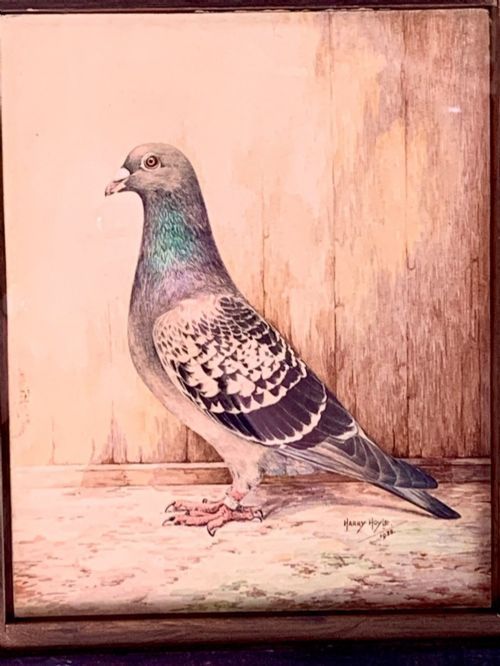
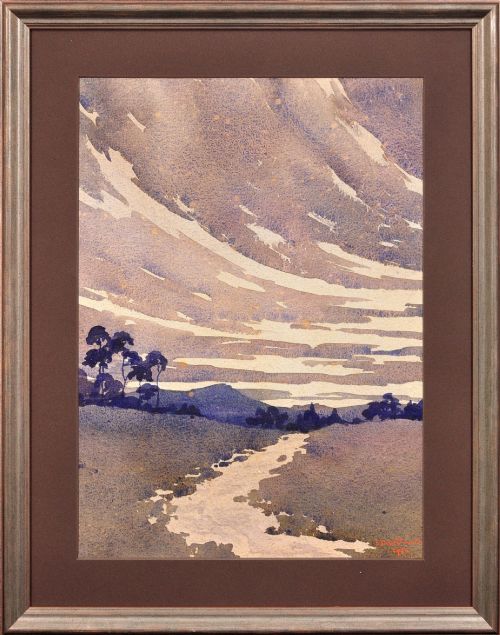
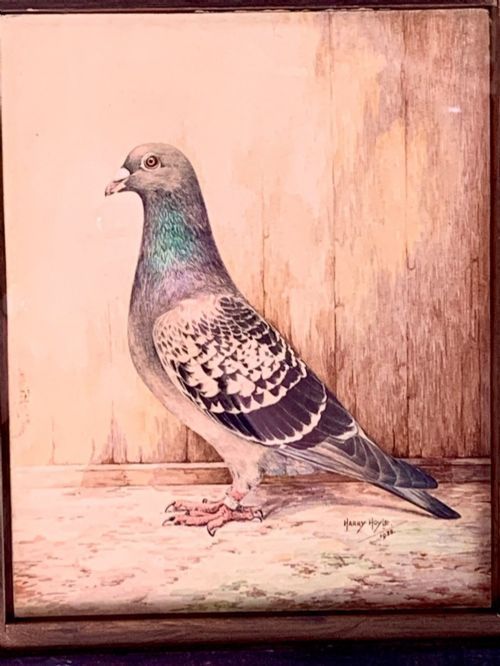
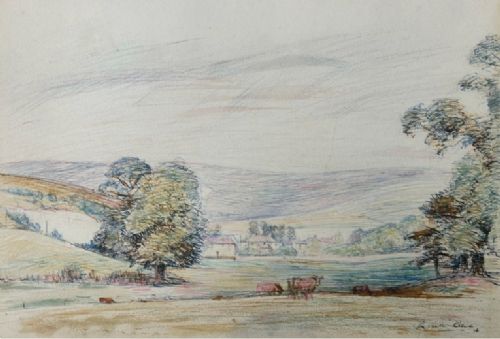
A 1930s watercolour painting presents subjects ranging from pastoral English landscapes and Welsh marches to maritime views and theatrical scenes. These works capture the visual culture of the decade through depictions of castles, rivers, and rural architecture.
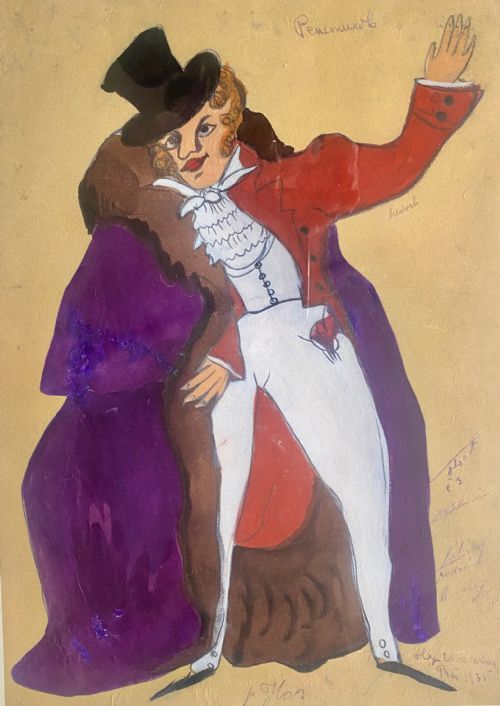
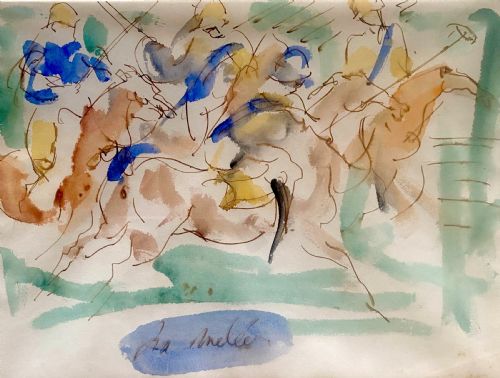
Buyers will encounter varied artistic approaches including early 20th century British realism, Art Deco compositions, expressionism, and avant-garde surrealism. The pieces appear in formats such as framed paintings, wall art, and bound book drawings.
Origins span British regional scenes in Yorkshire, Staffordshire, and Shropshire alongside continental European views of the French Riviera and Belgian subjects. The common thread is the application of pigment onto paper support during this specific decade.
Materials and Application
Watercolour pigment and gouache form the primary colouring agents, frequently combined with ink and graphite on paper supports. Artists applied these fluid mediums to capture light and atmosphere quickly, often framing the resulting works behind glass within wooden surrounds.
Techniques range from transparent washes defining traditional landscape watercolours to opaque gouache applications and expressionist ink line work. The physical construction relies on standard paper substrates treated with wet media methods common to the period.
1930s Watercolour Painting Retail Price Guide 2026
Typical asking prices for 1930s watercolour painting among the pieces listed under this phrase on Sellingantiques today, from the lower quarter to the upper quarter. They describe what is for sale here now, not the wider market.
Listings feature paper, watercolour, gouache, ink, and graphite, framed in wood and glass across British and European subjects.
Execution and Composition
Quality rests in the assuredness of the brushwork, the balance of the composition, and the artist's command over the fluid medium. Works showing confident handling of pigment and clear spatial depth stand apart from hesitant or overly rigid exercises.
The sophistication of the subject matter and stylistic integration also divide the range. Pieces exhibiting distinct modernist, avant-garde, or accomplished realist characteristics demonstrate greater artistic ambition than standard topographical views.
Samuel Timmins·Russell Sidney Reeves·Paul Delvaux·Fred Lawson·Ernest Uden·Rowland Henry Hill·Usabal y Hernandez
The 1930s Watercolour Painting Glossary
- Watercolour
- A paint consisting of a solution of pigment in water-soluble binders, applied to paper. It creates transparent washes that allow the white of the paper to reflect back through the pigment layers.
- Gouache
- An opaque watercolour paint made from pigment mixed with water and a gum binder, combined with an inert white pigment. It creates solid, flat colour planes distinct from transparent washes.
- Graphite
- A crystalline form of carbon used as a drawing material in sticks or pencils. Artists employed it for initial outlines and structural underdrawing beneath watercolour washes.
- Avant-Garde
- Art that breaks from traditional norms and explores experimental, modernist concepts. In this period, it encompasses surrealist and expressionist departures from standard academic representation.
1930s Watercolour Painting: Frequently Asked Questions
What subjects appear most often?
Landscapes, townscapes, and coastal views dominate the works from this decade. Artists frequently recorded specific regional locations, architectural landmarks, and pastoral scenes.
Equestrian subjects, theatrical moments, and surrealist compositions also emerge within the selection. These varied themes reflect the diverse artistic output operating concurrently during the interwar years.
How are these paintings framed?
Most examples are presented within traditional wooden frames behind protective glass. This setup shields the paper support from airborne dust and moisture.
The framing styles generally align with period presentation standards, securing the artwork while allowing full visibility of the painted surface.
Are all works signed by the artist?
Many of the listed watercolours bear signatures or attributions to named painters. These inscriptions connect the works to specific practitioners active during the interwar era.
Unsigned pieces rely on stylistic evidence, technical execution, and recorded provenance to establish their period context.
What defines the Art Deco style here?
Art Deco influence manifests in streamlined forms, clean geometric arrangements, and simplified colour palettes within landscape and architectural subjects. The approach favours structural clarity over fussy detail.
This stylistic thread sits alongside traditional pastoral realism and more experimental avant-garde movements.