




1930s Walnut Seat
A 1930s walnut seat brings architectural curves and rich timber grain to an interior.
1930s Walnut Seat
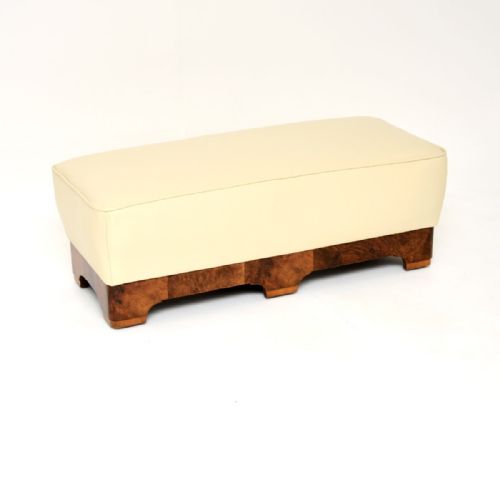
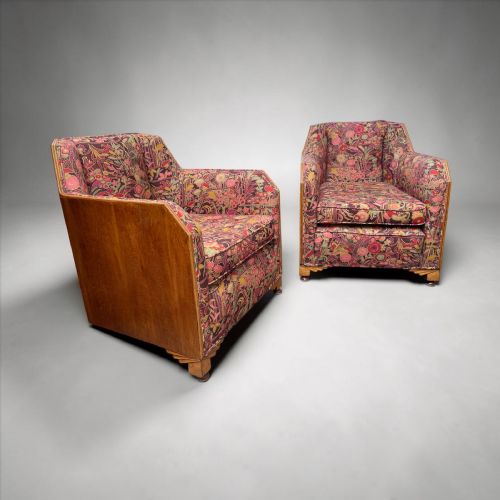
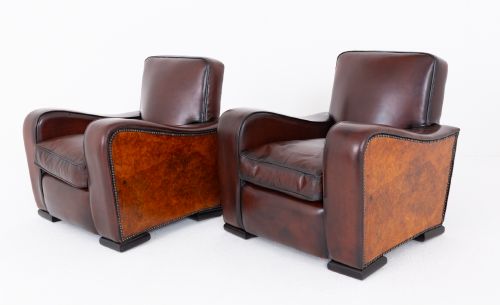
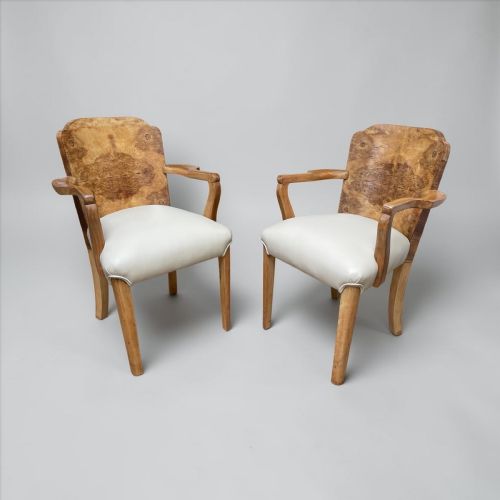
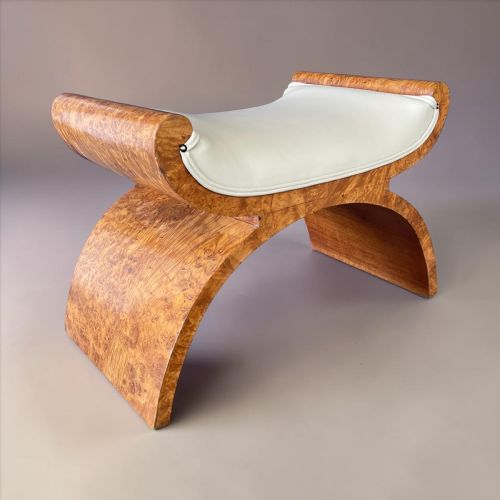
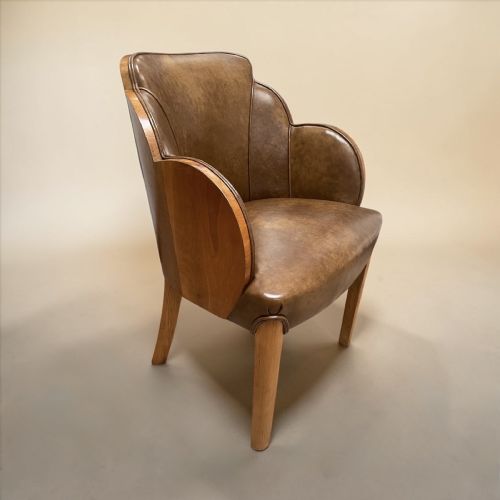
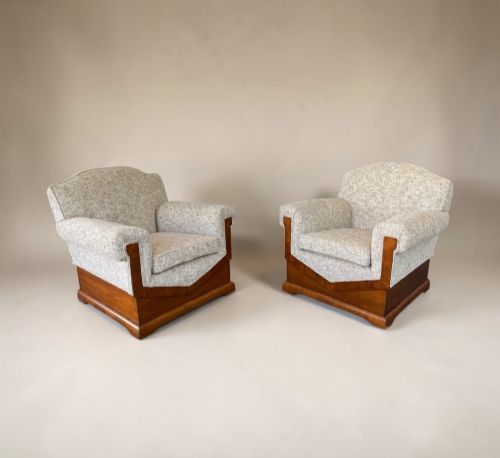
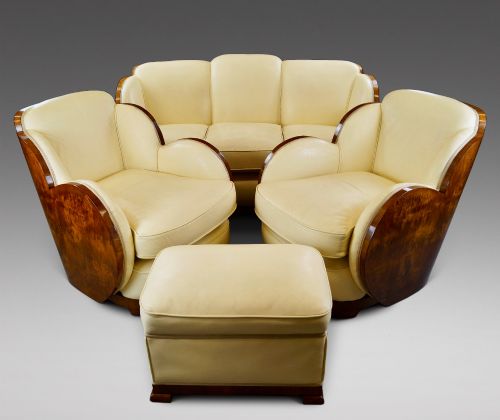
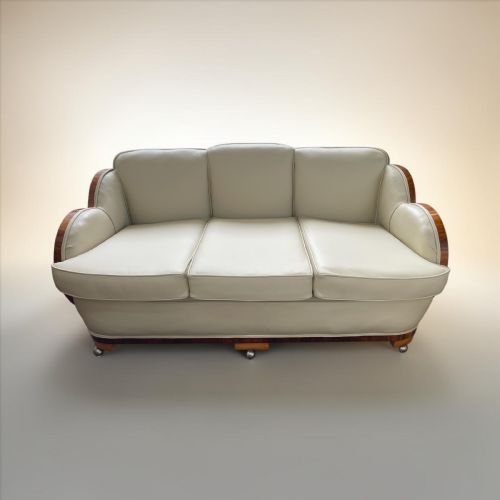
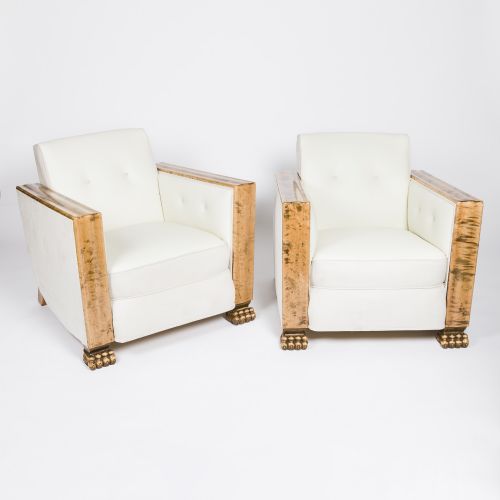
A 1930s walnut seat encompasses seating furniture produced during the interwar period, most frequently taking the form of armchairs, lounge suites, dressing table stools, and dining chairs. The overwhelming majority of pieces meeting this search phrase display Art Deco styling, characterised by generous proportions and distinctive cloud or scroll profiles.
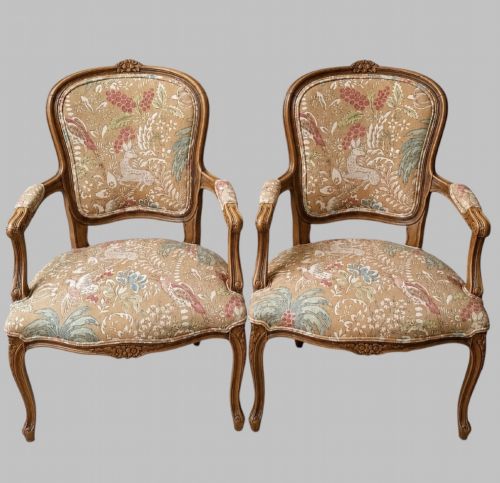
Beyond the predominant Art Deco aesthetic, the selection includes occasional chairs, footstools, and dining suites spanning the 1920 and 1930 periods. Buyers will also encounter revivals and specific historicist forms, such as Neo-Rococo open armchairs and George I style wing armchairs executed in the same interwar timber.
Materials and construction methods
Makers relied heavily on solid walnut, burr walnut, and figured walnut veneer applied over secondary timber frames to achieve dramatic, decorative grain patterns across curved surfaces. These wooden structures were frequently paired with leather upholstery or traditional fabric coverings to complete the seating.
Workshops utilised specialised bending and veneering techniques to shape the characteristic cloud silhouettes and rounded armchairs typical of the era. Internal frames occasionally incorporated oak or mixed timber to support the substantial weight of upholstered lounge suites and club chairs.
Several armchairs are affectionately known as cloud chairs due to their wonderfully plump, pillowy silhouettes that practically beg for a 1930s detective novel.
Distinguishing quality in walnut seating
The sophistication of the timber selection dictates the visual standing of each piece, with highly figured burr walnut veneers demonstrating superior craftsmanship compared to plain timber surfaces. Matching the grain patterns symmetrically across curved chair backs and stool aprons requires advanced cabinetmaking skill.
The integrity of the underlying frame and the execution of signature upholstered shapes, such as the rounded cloud profiles, determine structural excellence. Pieces bearing attribution or direct association with prominent workshops display more refined proportions and meticulous detailing.
Hille·Harry and Lou Epstein
The 1930s Walnut Seat Glossary
- Burr walnut
- A prized timber harvested from tree growths that produces intricate, swirling grain patterns. It is sliced into veneer and applied to prominent surfaces of chairs and stools.
- Art Deco
- A dominant design style of the interwar period marked by streamlined geometric forms, curved silhouettes, and luxurious materials. This aesthetic defines the majority of the seating.
- Cloud chair
- An upholstered armchair featuring rounded, sweeping backrests and padded armrests resembling stylised cumulus formations. These forms are particularly associated with high-end interwar English production.
- Neo-Rococo
- A revival style incorporating asymmetrical scrolls, flowing organic lines, and ornate carving derived from eighteenth-century French design. Pieces in this style appear alongside mainstream interwar models.
1930s Walnut Seat: Frequently Asked Questions
What defines a 1930s walnut seat?
These pieces are defined by their interwar period manufacture using walnut, burr walnut, or walnut veneer, predominantly styled in the Art Deco tradition. Forms range from compact dressing table stools to substantial club armchairs and dining suites.
They combine functional seating with decorative wood grain, often featuring curved silhouettes or upholstered leather inserts that reflect the modern design sensibilities of the era.
How do I identify Art Deco seating?
Art Deco seating is recognised through streamlined geometries, symmetrical grain alignment, and distinctive rounded or cloud-shaped profiles. The woodwork frequently showcases highly figured walnut veneers across wide armrests and back panels.
Unlike earlier revival styles, these chairs prioritise sweeping horizontal lines and unadorned surfaces that highlight the natural beauty of the timber.
Were these seats made as pairs or sets?
Interwar seating frequently survives in matched pairs of armchairs or occasional chairs, and occasionally as larger lounge suites comprising a sofa and matching chairs. Dining chairs are similarly found in matched sets intended to accompany a dining table.
Individual stools and single occasional chairs were also produced in substantial quantities for dressing tables and bedrooms.
What materials accompany the walnut?
Walnut and burr walnut are routinely paired with leather upholstery or woven fabric coverings on the seats and backrests. Secondary timbers such as oak occasionally appear within internal frames and structural supports.
Black walnut variants also exist, offering a darker visual tone while retaining the same characteristic interwar forms and upholstery treatments.