



1930s Vanity Desk
A 1930s vanity desk brings geometric elegance and striking figured veneers to a bedroom, offering a functional dressing space with distinct period character.
1930s Vanity Desk
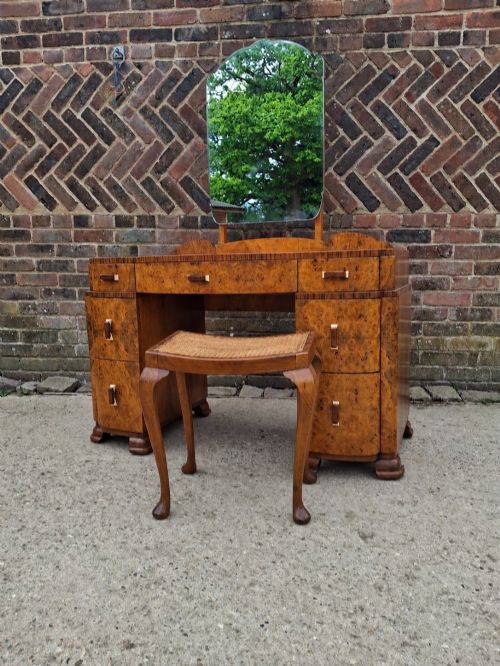
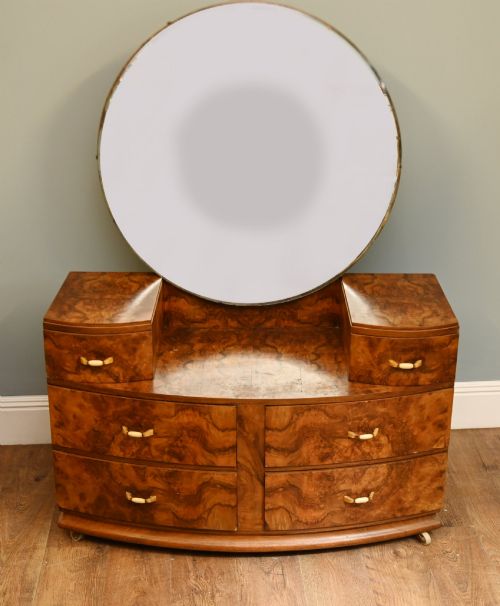
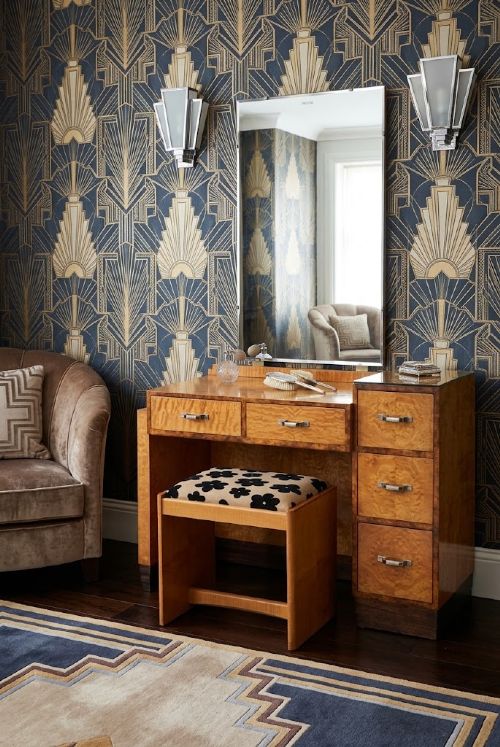
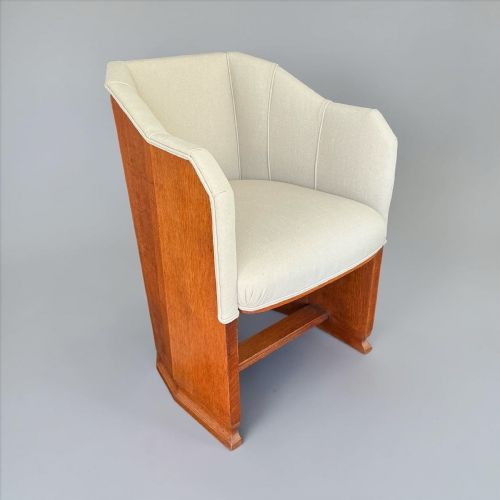
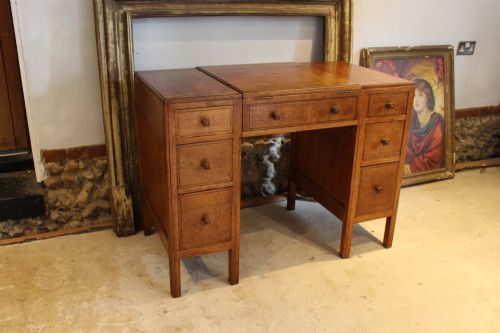
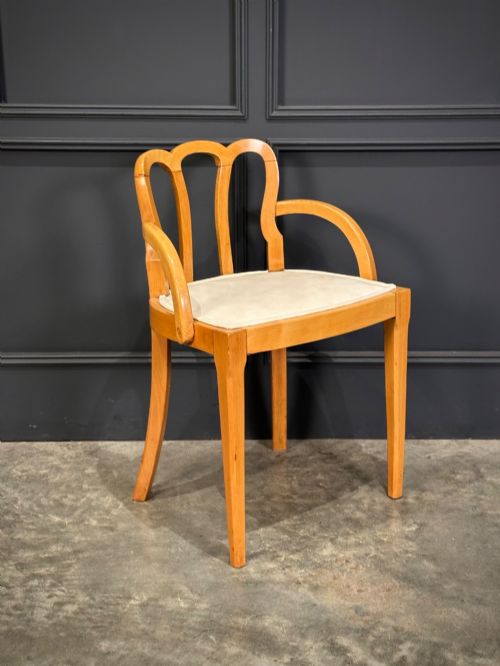
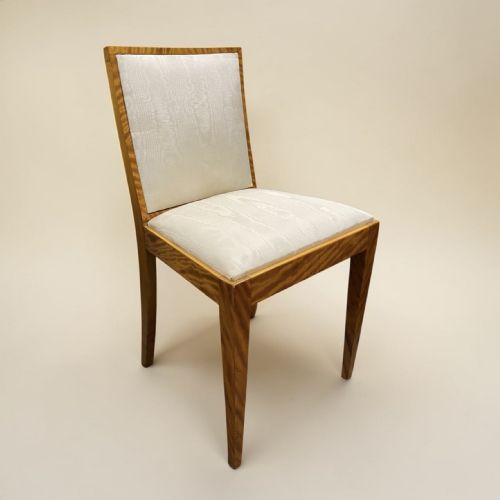
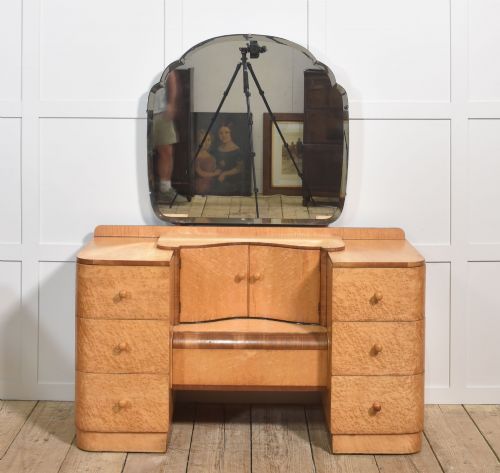
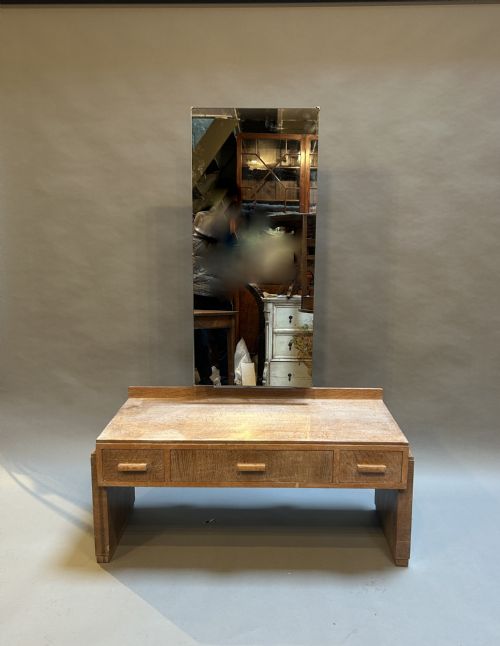
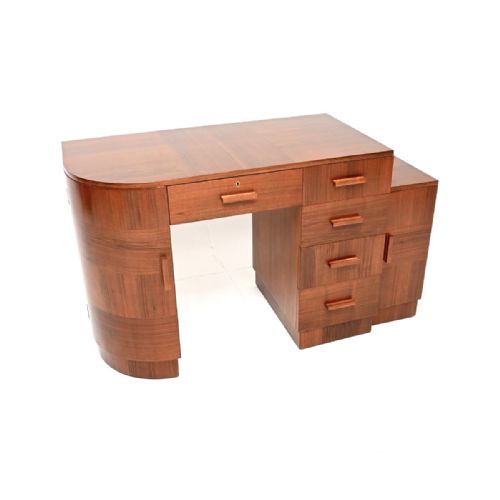
A 1930s vanity desk typically manifests as a dressing table or dressing chest associated with the Art Deco movement, often paired with matching chairs or stools.
The pieces emerge principally from the 1930 and 1920 periods, spanning styles such as Art Deco, Arts and Crafts, Cotswold School, and Swedish Grace.
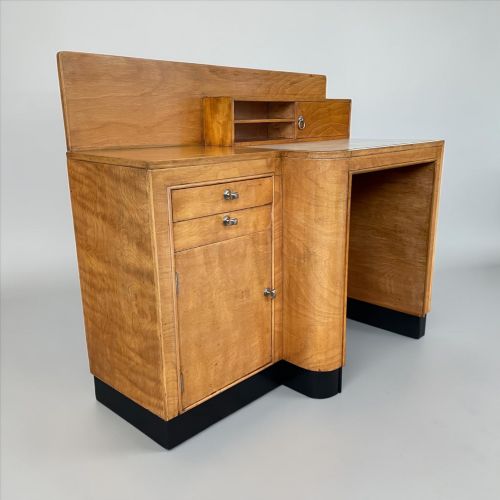
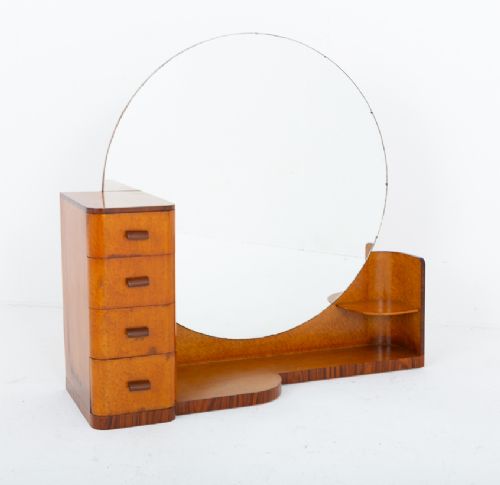
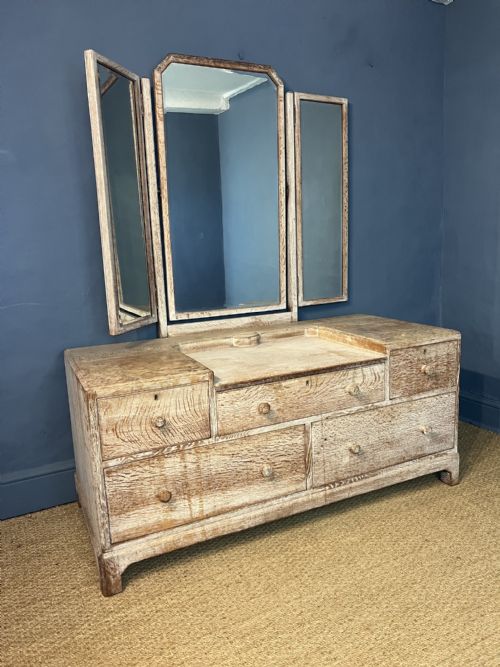
Forms vary from asymmetrical pedestal desks to dressing chests fitted with original mirror glass, constructed to serve both personal grooming and writing tasks.
Materials and Construction
Construction relies heavily on timbers such as walnut, burr walnut, oak, limed oak, maple, birds eye maple, and satinwood, selected for their decorative grain patterns.
Surfaces frequently incorporate inset glass, mirror glass, fabric, and leather panels to complement the polished wood bodies.
Joinery and carcass work reflect the cabinet-making standards of firms working within modern modernist and traditional British workshop traditions.
1930s Vanity Desk Retail Price Guide 2026
Typical asking prices for 1930s vanity desk among the pieces listed under this phrase on Sellingantiques today, from the lower quarter to the upper quarter. They describe what is for sale here now, not the wider market.
Listings feature walnut, oak, and maple timbers alongside inset mirror glass and leather.
Assessing Quality
Quality rests upon the choice of veneer selection, where highly figured burr walnut, birds eye maple, or satinwood demonstrates superior cabinet work.
Design ambition separates standard items from exceptional pieces, particularly asymmetrical configurations, modernist lines, and integrated original mirrors.
Attribution to notable workshops or specific makers elevates a piece through refined proportion and meticulous finishing details.
Bath Cabinet Makers·Heal and Sons·Harry and Lou Epstein·Betty Joel·Rowley Gallery
The 1930s Vanity Desk Glossary
- Pedestal desk
- A freestanding writing or dressing table supported by two vertical banks of drawers. This configuration provides substantial storage beneath the main surface.
- Limed oak
- Timber treated with a specialised finish that leaves a white pigment in the open grain. This technique was favoured by modernist designers during the early twentieth century.
- Asymmetrical vanity table
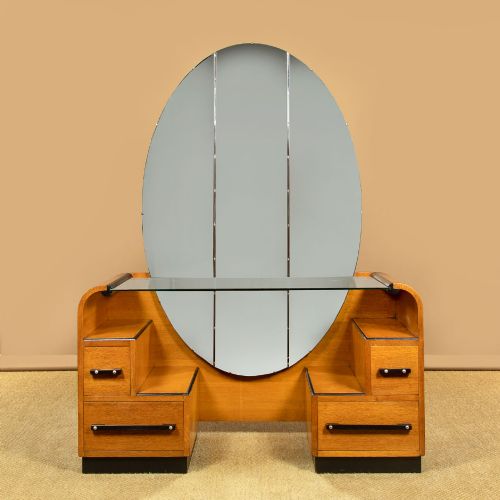
- A dressing unit designed with off-centre mirrors or cabinets. Such layouts break away from strict symmetry to embrace dynamic modernist principles.
- Mirror glass
- Reflector panels integrated directly into dressing furniture backs or lids. These elements are often bevelled and shaped to match the geometric contours of the design.
1930s Vanity Desk: Frequently Asked Questions
How do I use a vanity desk today?
These pieces function ideally as dressing tables for grooming or as compact writing desks in modern bedrooms and studies. Their integrated drawers offer practical storage for daily essentials.
Matching chairs or low stools fit neatly beneath the kneehole space to maintain a tidy footprint when the desk is not in use.
Are original mirrors usually included?
Many examples retain their original mirror glass, which is often shaped in geometric Art Deco outlines or mounted on pivoting frames. These components complete the authentic silhouette of the vanity.
Some pieces were constructed to accept wall-mounted mirrors or function primarily as flat-topped writing surfaces depending on the specific model.
How do I tell Art Deco from Arts and Crafts pieces?
Art Deco examples emphasise sleek veneers, polished burr walnut, asymmetrical layouts, and streamlined modernism. They lean heavily on glamour and geometric visual impact.
Arts and Crafts or Cotswold School pieces prioritize visible craftsmanship, solid oak construction, limed finishes, and honest structural joinery over decorative surface veneers.
What maintenance do these wooden surfaces need?
Polished wood surfaces benefit from occasional dusting with a soft cloth and periodic application of appropriate furniture wax to nourish the timber and grain. Avoid placing them in direct sunlight to protect the veneers.
Leather and fabric inserts require gentle care suited to their specific texture, keeping them clear of moisture and excessive heat.