

1930s Tier Table
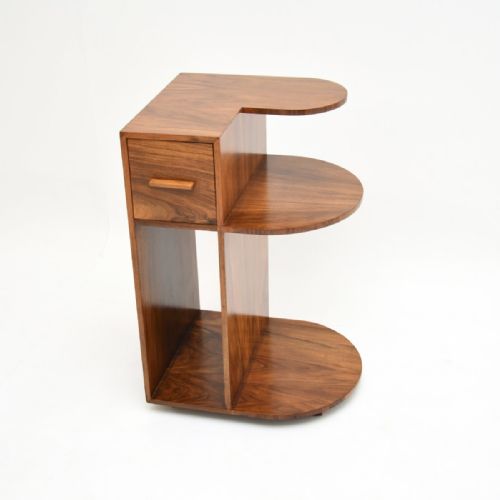
A 1930s tier table brings architectural stacking and compact surface space into a room, offering multiple levels for display or drinks without crowding the floor.
1930s Tier Table
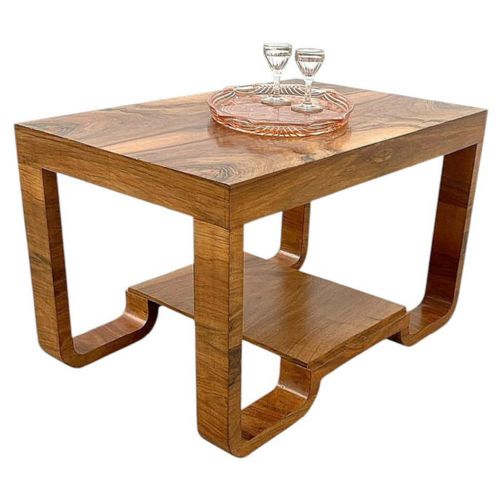
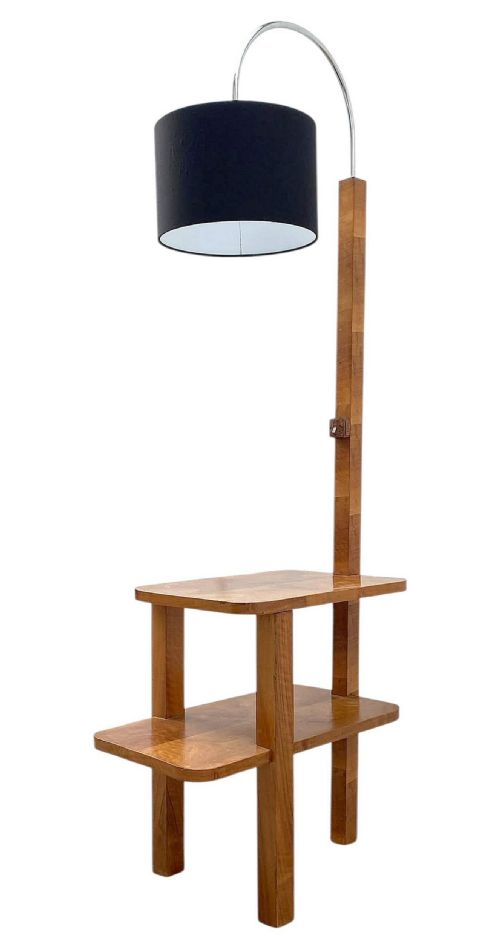
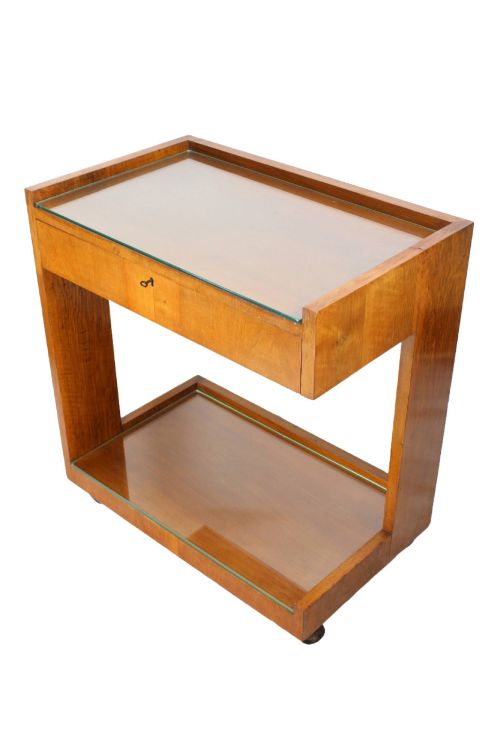
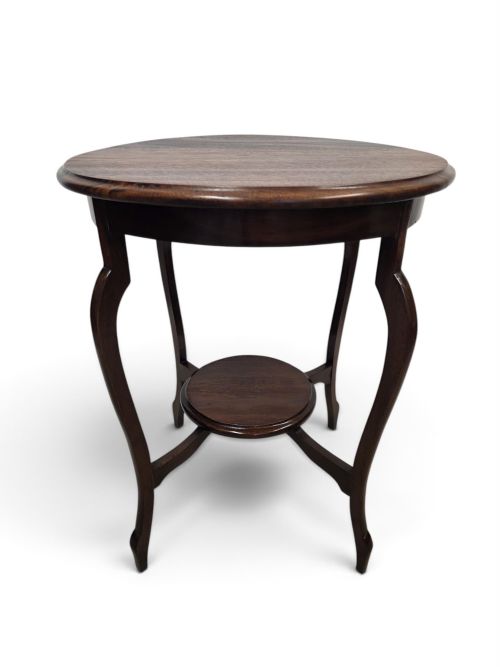
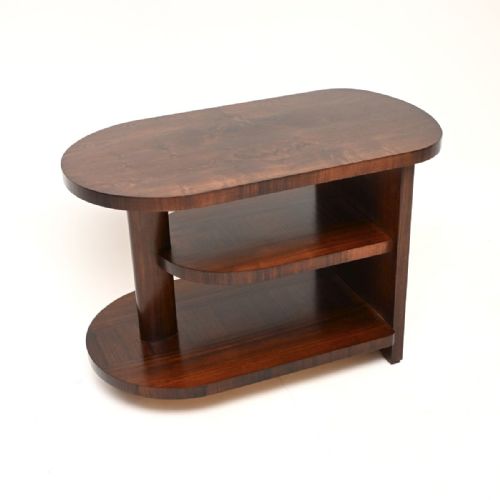
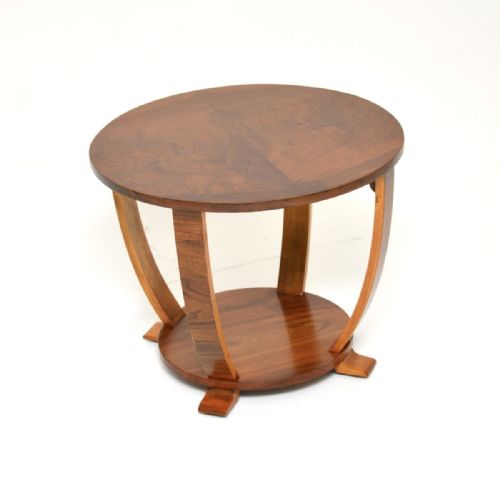
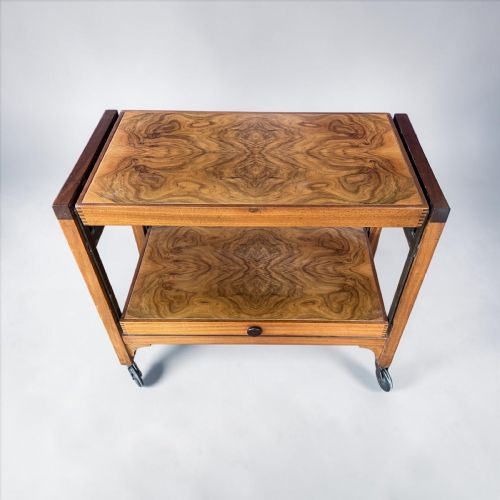
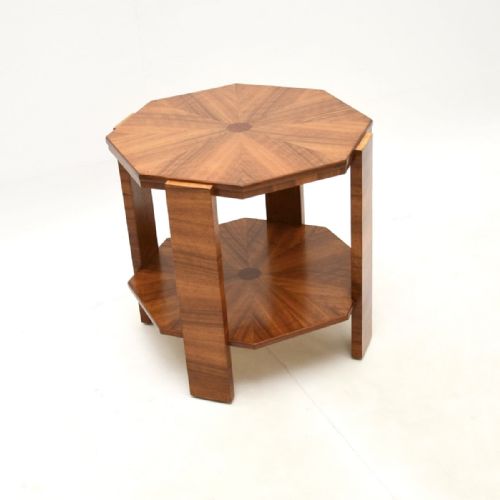
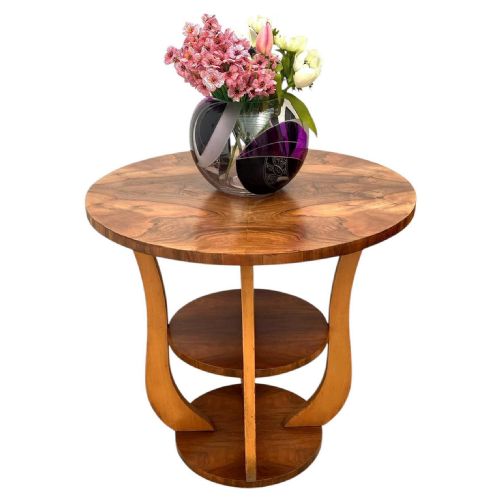
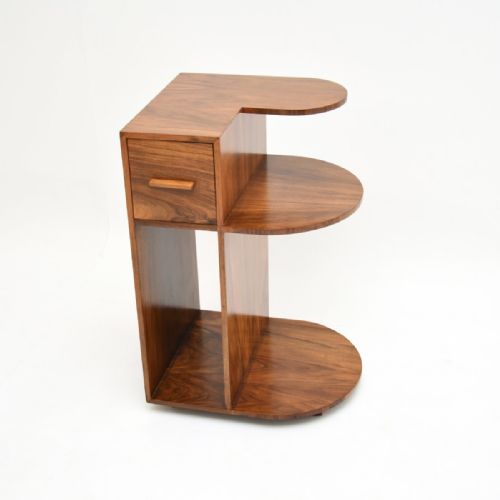
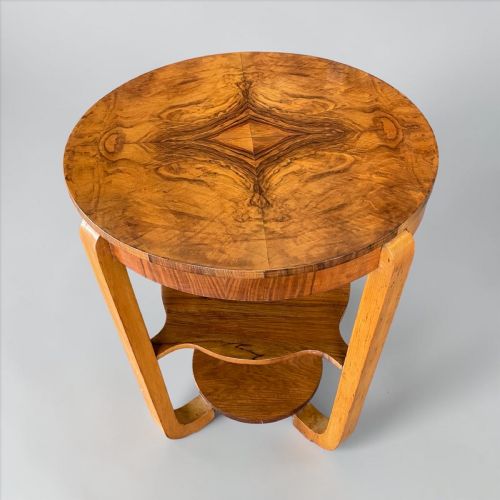
A 1930s tier table is a multi-level piece designed primarily for domestic use as an occasional surface, side table, or drinks holder. Buyers searching for a 1930s tier table will encounter multi-decked coffee tables, side tables, and serving trolleys arranged across two or three distinct shelves.
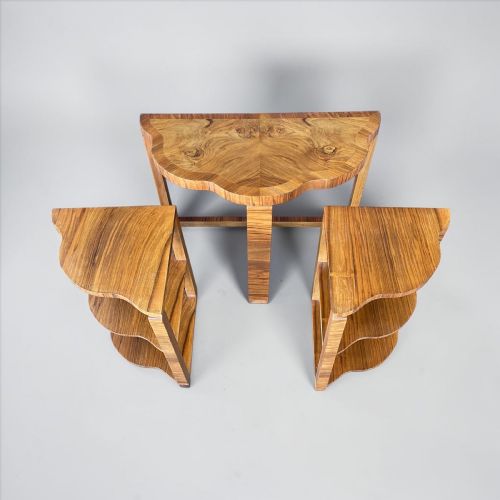
Alongside standard occasional tables, the selection includes related multi-level forms such as etageres, drinks trolleys, and nests of tables. Pieces span production dates from the nineteen-twenties through to the nineteen-forties, maintaining the characteristic decorative sensibilities of the interwar era.
How they were made
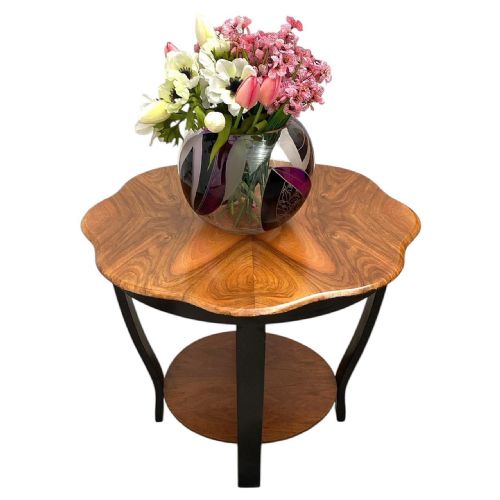
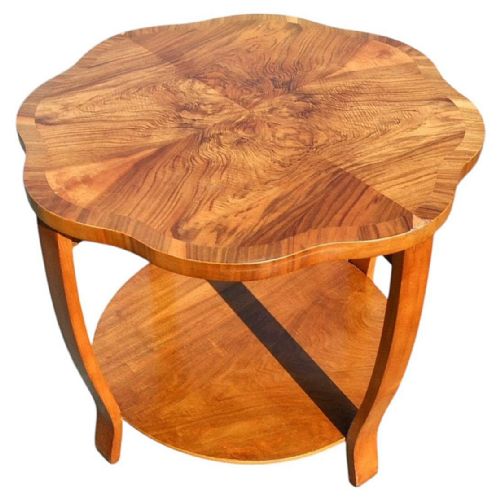
Makers constructed these tiered surfaces using solid timber frames paired with decorative wood veneers, selecting walnut, figured walnut, and burr walnut for rich surface patterns. Cabinetmakers also employed oak, satin birch, maple, and exotic woods such as rosewood and karelian birch to create contrasting tones across the different shelves.
Metal components played a significant structural and decorative role, with chrome and brass incorporated into supports, edges, and mobile trolleys to reflect Machine Age sensibilities. Ebonised wood and applied glass tops further augmented the varied material palette seen across the surviving pieces.
1930s Tier Table Retail Price Guide 2026
Typical asking prices for 1930s tier table among the pieces listed under this phrase on Sellingantiques today, from the lower quarter to the upper quarter. They describe what is for sale here now, not the wider market.
Listings show walnut, oak, and exotic veneers paired with chrome and brass across tables dated predominantly to nineteen-thirty.
What varies in quality
The distinction between standard production and top-tier pieces rests on the choice and matching of timber veneers, particularly the symmetry of figured walnut or burr walnut grains across multiple levels. Superior examples integrate metal elements like heavy chrome or brass seamlessly into the wooden framework, maintaining crisp geometric junctions.
Engineering complexity also divides the range, distinguishing simple stacked tables from sophisticated metamorphic designs, serving trolleys with functional wheels, or multi-tiered pieces involving uncommon timbers like birds-eye maple and karelian birch. The precision of the joinery supporting the upper tiers dictates the physical stability and longevity of the piece.
Gilbert Rohde
The 1930s Tier Table Glossary
- Tier table
- A piece of furniture featuring two or more stacked surfaces arranged horizontally above one another. This design provides expanded display area within a small floor space.
- Art Deco
- A design movement prevalent in the interwar period characterised by sleek geometric shapes, stylised motifs, and modern industrial materials. It dominates the aesthetic of interwar tiered furniture.
- Figured walnut
- Timber cut from walnut trees that displays swirling, mottled, or highly decorative grain patterns due to growth irregularities. Cabinetmakers prized this wood for tabletops.
- Metamorphic
- Describing furniture designed to transform or fold out into alternative configurations, such as a serving trolley that expands into a larger surface. These pieces rely on concealed mechanical hinges.
- Etagere
- A set of open shelves or tiers designed for displaying ornaments, books, or drinks. The form originated in France and was adapted into compact interwar designs.
- Machine Age
- An early twentieth-century design ethos celebrating industrial efficiency, clean lines, and modern metals like chrome. It heavily influenced the hardware and frames of tiered tables.
1930s Tier Table: Frequently Asked Questions
What is a 1930s tier table used for?
These pieces served as versatile surfaces in sitting rooms and studies, holding books, lamps, tea services, or cocktail accessories across their multiple levels. The stacked design allowed households to display decorative items without cluttering primary floor space.
Today, they function effectively beside sofas or in hallways as lamp tables and drinks stands, offering tiered utility that suits modern interior layouts.
How do I identify a 1930s tier table?
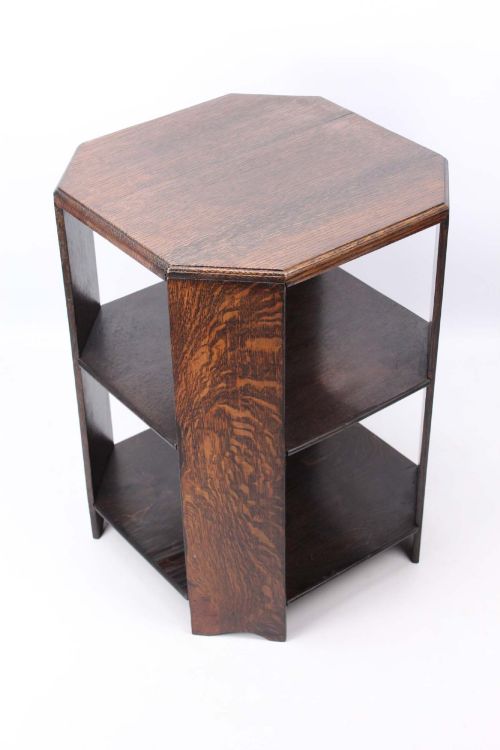
Look for characteristic interwar design markers such as stepped silhouettes, circular or octagonal stacked tops, and the prominent use of figured walnut or oak veneers. Many examples incorporate machine-age materials like tubular chrome or brass alongside the woodwork.
The construction often reflects French or English Art Deco craftsmanship, distinguishing them from heavier Victorian or Edwardian multitiered stands.
Are these tables sturdy enough for daily use?
Original interwar tiered pieces were built by skilled cabinetmakers using solid frames and sturdy veneer cores designed to support everyday domestic objects like lamps and books. Their structural stability depends on the integrity of the joints connecting the vertical supports to the horizontal tiers.
Gentle day-to-day placement of drinks and ornaments poses no issue for well-maintained examples, though mobile versions with wheels require careful handling across thick carpets.
What woods were used in these tables?
Walnut and figured walnut are the most common timbers found on these tables, often selected for their deep colour and decorative grain patterns. Makers also utilised oak, satin birch, maple, and rosewood to achieve lighter or more exotic finishes.
Ebonised wood and specialised veneers like karelian birch appear on select examples, frequently paired with contrasting metal supports in brass or chrome.