



1930s Smiths Desk Clock
A 1930s smiths desk clock brings sharp Art Deco styling to a desk or mantelpiece, combining mechanical or electric reliability with striking period materials.
1930s Smiths Desk Clock
When you search for a 1930s smiths desk clock, you encounter mantel clocks and desk clocks shaped by the Art Deco and Modernist movements of the period. These items typically date from the 1930s or the 1940s, originating from English workshops and makers.
The pieces on this page appear as easel clocks, mystery clocks, and see-through designs built for practical timekeeping. They frequently double as decorative mantel pieces intended to anchor a room's aesthetic.
You meet versions driven by traditional wind-up movements alongside electric mechanisms. The most common forms showcase geometric layouts and clean architectural silhouettes characteristic of interwar design.
How they were made
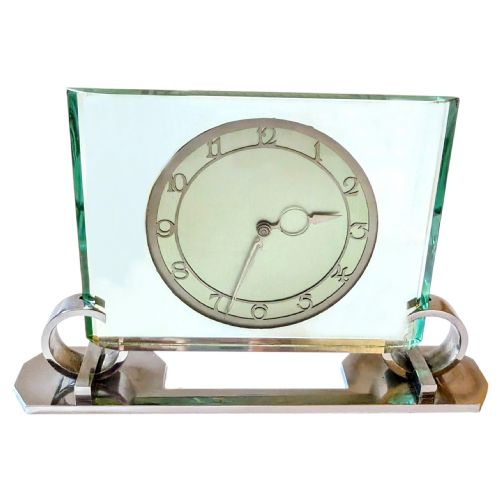
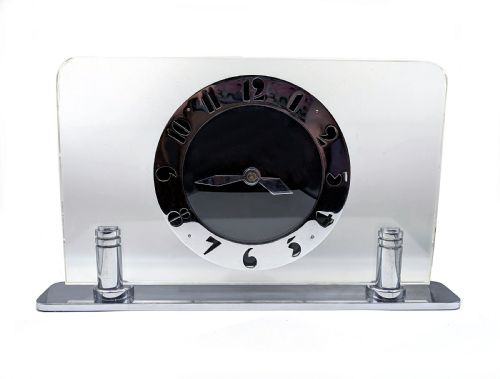
Maker construction relies heavily on combinations of chrome, brass, and metal to form sturdy chassis and bezels. These metallic elements are frequently paired with contrasting coloured glass, peach mirror glass, or blue glass panels.
1930s Smiths Desk Clock Retail Price Guide 2026
Typical asking prices for 1930s smiths desk clock among the pieces listed under this phrase on Sellingantiques today, from the lower quarter to the upper quarter. They describe what is for sale here now, not the wider market.
Listings feature periods from the 1930s and 1940s, utilising glass, chrome, metal, Bakelite, mirror glass, and brass in Art Deco styles.
What varies in quality
The refinement of the housing, from basic metal casings to intricate chrome and Bakelite assemblies, marks the distinction between standard production and top-tier execution.
Smiths Clockmakers·Smiths Clock Company·A.L. Davenport
The 1930s Smiths Desk Clock Glossary
- Art Deco
- A design style dominant in the 1930s characterised by sleek geometric shapes, streamlined forms, and modern industrial materials. It influences the overall silhouette of these clocks.
- Bakelite
- An early synthetic thermosetting plastic frequently moulded into durable clock cases and bases during the period. Its smooth finish defines interwar manufacture.
- Mystery clock
- A timepiece where the movement appears disconnected from the hands, creating a visual illusion. This clever engineering showcases maker ingenuity.
- Easel clock
- A clock supported by a rear strut or stand for angled display on a desk or table. This format prioritises portability and visibility.
1930s Smiths Desk Clock: Frequently Asked Questions
Are these clocks electric or wind-up?
The selection includes both traditional wind-up mechanical movements and electric mechanisms depending on the specific model.
Buyers should inspect the individual listing details to confirm whether a key or power cord is required for operation.
How do I style a 1930s desk clock?
These clocks sit well on mantelpieces, bookshelves, or dedicated office desks where their geometric lines stand out.
Pair them with other period metalwork or glass objects to complement the Art Deco aesthetic.
What materials are typical for these clocks?
Common materials include chrome, brass, metal, and moulded Bakelite alongside clear, peach, or blue mirror glass.
These elements reflect the industrial palette popular among English manufacturers of the decade.