



1930s Sculpture
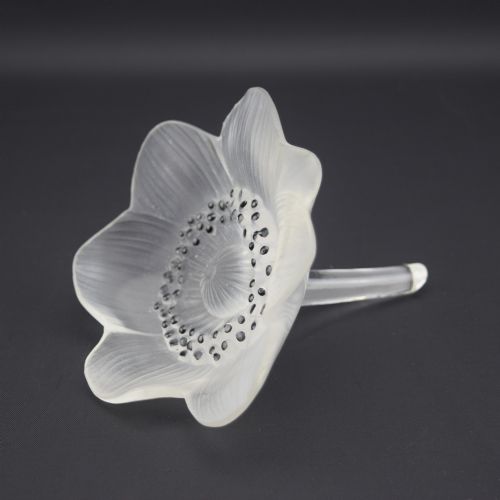
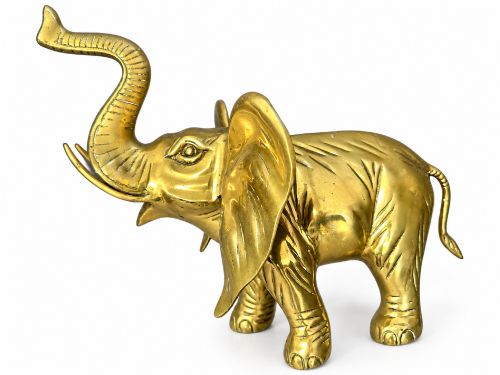
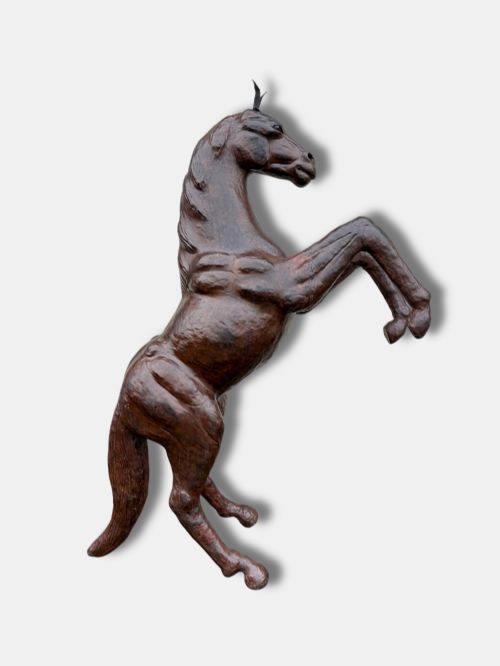
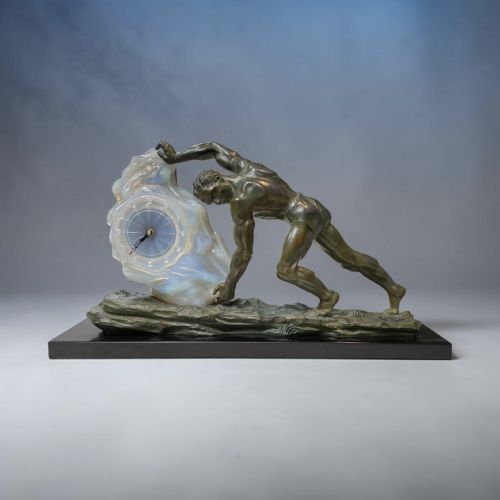
These 1930s sculpture pieces bring modernist energy and kinetic grace to a room through figures of dancers, athletes, and animals.
1930s Sculpture
When you search for 1930s sculpture, you enter the distinct visual world of the interwar period, dominated by clean lines and stylised human and animal forms. The pieces available here range from athletic figures and dancers to desk accessories, table lamps, and substantial garden statues.
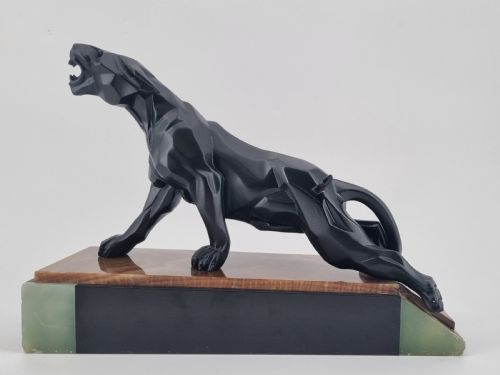
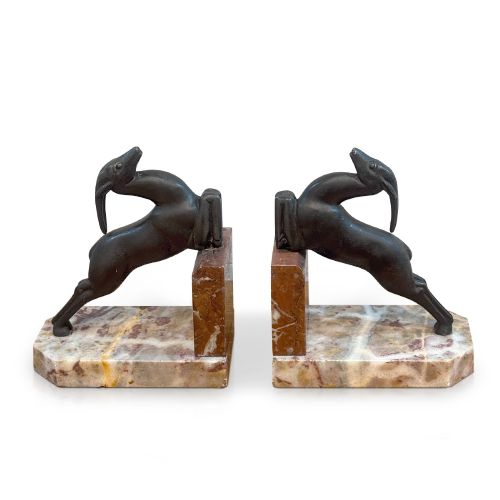
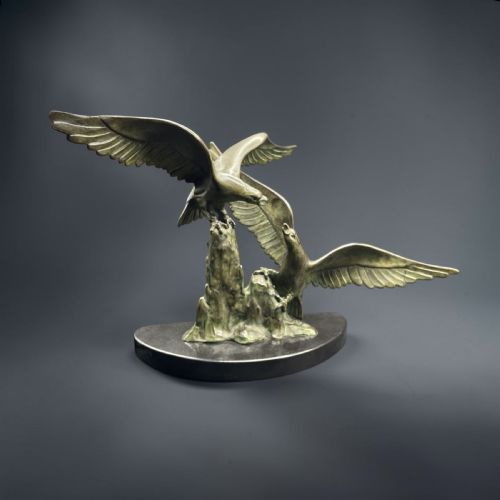
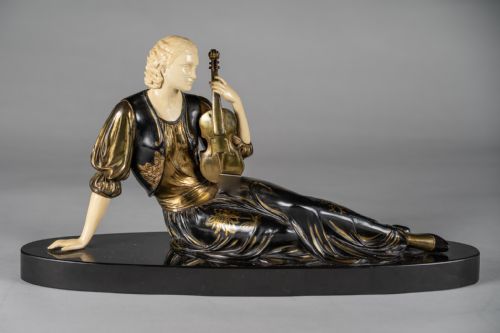
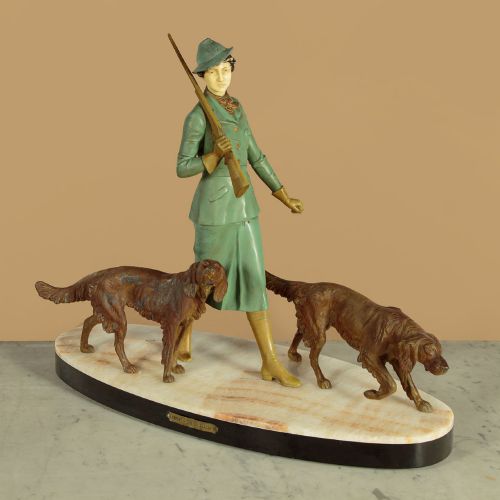
The most common items you will meet on this page belong to the Art Deco movement, capturing motion through stylised postures. Figures of hounds, panthers, seagulls, and female dancers appear frequently across various materials.
Beyond European Art Deco, the selection extends to carved wooden Maasai figures, Chinese hardstone groups, and Swiss limewood carvings. These diverse regional traditions share a contemporary boldness in their simplification of form.
Materials and Techniques
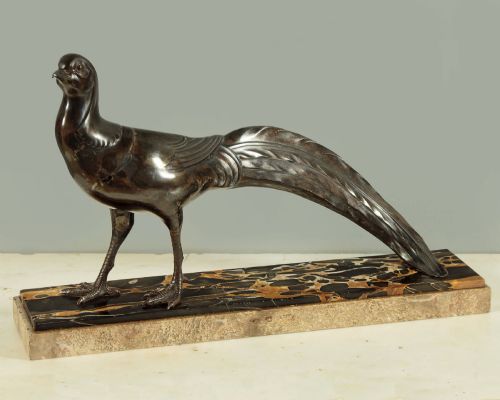
Makers of the period utilised a wide spectrum of materials, pairing metals such as bronze, spelter, and chrome plate with contrasting bases of black marble and onyx. Spelter frequently received painted or patinated finishes to simulate the appearance of costlier bronze.
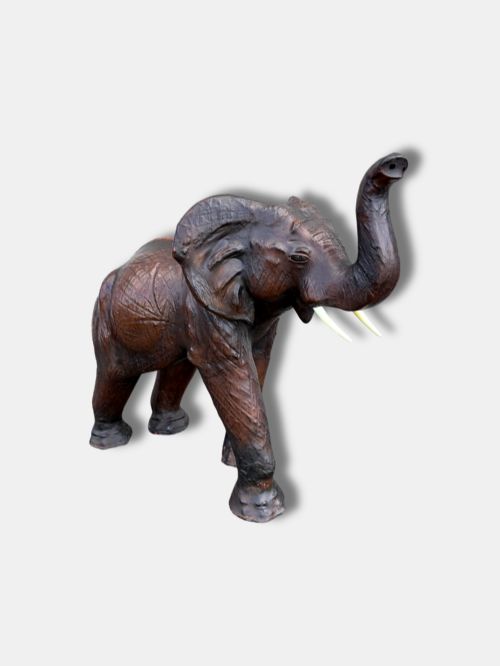
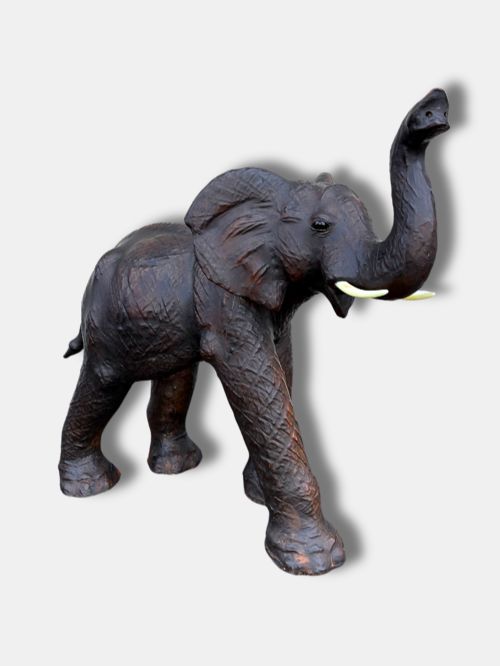
Glass played a significant role, appearing in moulded table lamps, paperweights, and glowing eyes set into metal animal figures. Woodworkers employed limewood, hardwood, and carved leather over wooden cores for large footstools and bench seats.
1930s Sculpture Retail Price Guide 2026
Typical asking prices for 1930s sculpture among the pieces listed under this phrase on Sellingantiques today, from the lower quarter to the upper quarter. They describe what is for sale here now, not the wider market.
Materials in these listings range from heavy cast bronze and marble to carved wood, glass, and leather.
Judging Quality
The harmony of mixed materials also dictates distinction. A well-executed piece integrates its metal figure, marble plinth, or onyx base securely, whereas lesser work reveals crude joins or mismatched elements.
Liberty of London·Jean de Roncourt·Uriano·Hagenauer·Josef Lorenzl·Rene Lalique·Sier Kunst·Sibylle May·Gmundner
The 1930s Sculpture Glossary
- Spelter
- A zinc alloy commonly utilised as an economical alternative to bronze for figurative works. It takes patination and paint well but demands careful handling due to its brittle nature.
- Patinated Metal
- Metal treated with chemicals or paint to produce a specific surface colour or aged finish. This technique highlights surface contours and prevents oxidation.
- Onyx
- A banded variety of chalcedony frequently used for decorative bases and desk tidies. Its translucent layers provide a polished, reflective foundation for metal sculptures.
- Wall Masque
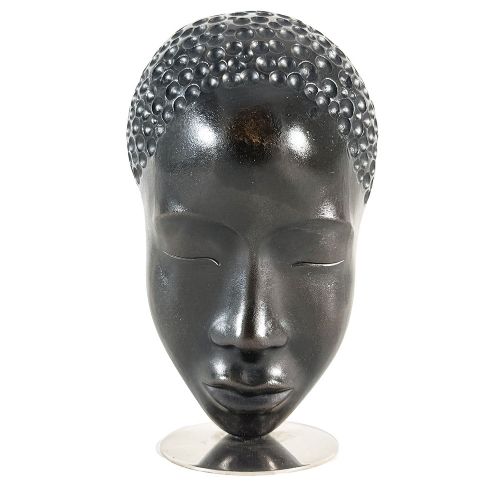
- A decorative ceramic or earthenware face plaque designed for hanging on a wall. These pieces often feature stylised facial expressions typical of the period.
- Desk Tidy
- A compartmentalised desk accessory intended to hold writing instruments and small stationery. They frequently incorporate sculptural animal or architectural elements.
1930s Sculpture: Frequently Asked Questions
What materials are common in 1930s sculpture?
The listings show a heavy reliance on cast metals like bronze and spelter, frequently mounted on black marble or onyx bases. Glass, carved limewood, and painted plaster also appear regularly across the various figurative works.
Designers of the era also employed chrome plate, painted metal, and carved hardstones. Each material contributed to the streamlined aesthetic of the interwar period.
How do I identify an Art Deco figure?
Art Deco pieces typically display stylised, aerodynamic forms that emphasise motion and modern geometry. Look for figures of dancers, athletes, and sleek animals rendered with simplified anatomy.
Clothing and hair styling on human figures often follow the geometric conventions of the 1920s and 1930s. The bases are frequently constructed from contrasting geometric slabs of marble or onyx.
Where should I place a table lamp sculpture?
These functional sculptures suit sideboards, desks, and lamp tables where their illumination can highlight the surrounding room. Standing lady lamps and glass mushroom lamps provide focused ambient light.
Ensure the piece has adequate clearance and stable placement, particularly when combining heavy metal figures with delicate glass shades.
How do I care for bronze and spelter?
Dust these metal figures gently with a soft, dry cloth to prevent the accumulation of grime in the crevices. Avoid chemical cleaners that can strip the original patination or paint.
Keep pieces away from direct sunlight and damp environments to protect patinated surfaces and composite stone or plaster elements.