


1930s Portrait Art
These items of 1930s portrait art capture the character of the interwar years through painted canvases, pastels, and sculpted busts.
1930s Portrait Art
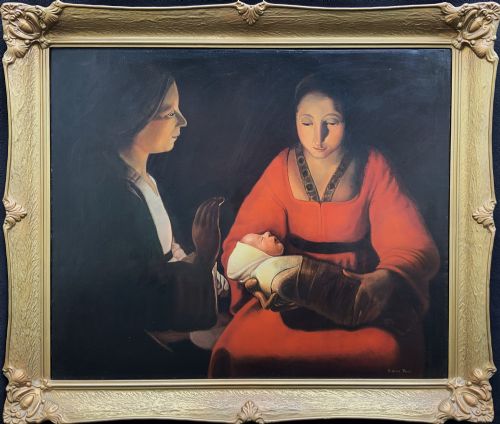
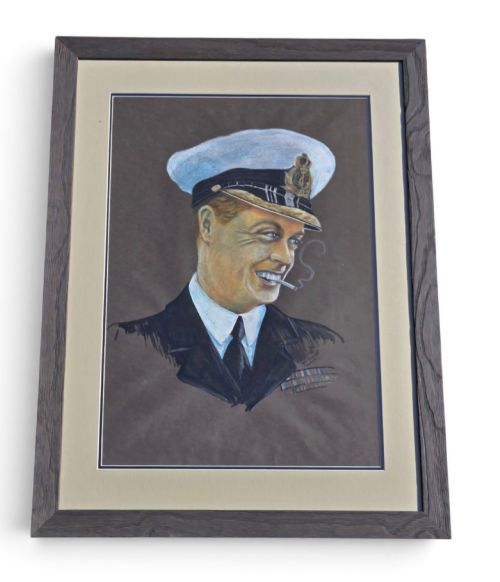
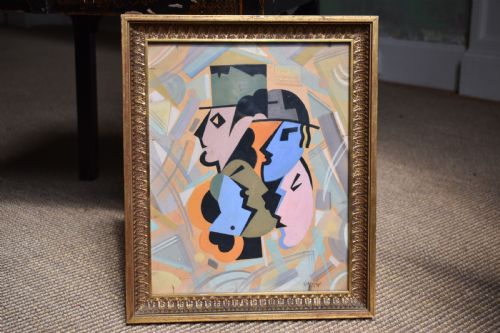
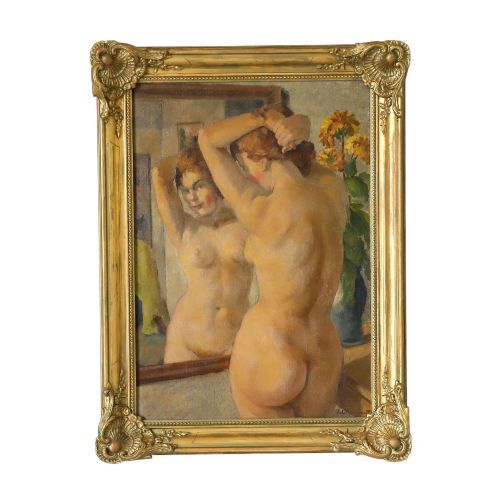
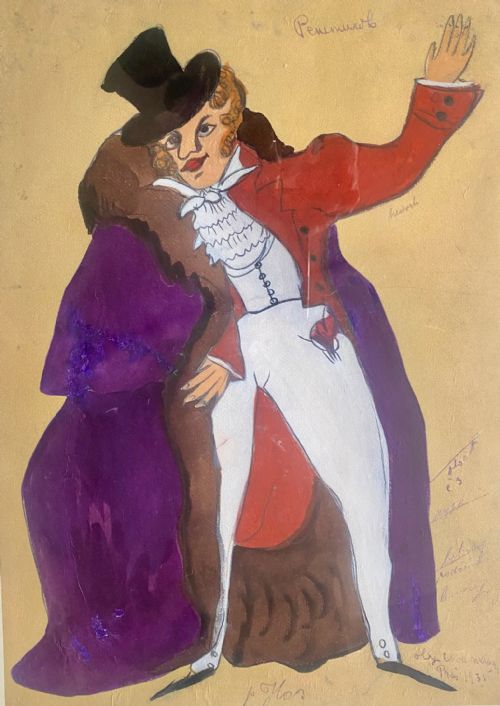
When you examine 1930s portrait art, you encounter a range of mediums from oil paintings on canvas and board to watercolours, pastels, and drawings on paper. The selection spans formal likenesses, artist self-portraits, and figure studies rendered in varied modernist and realist modes.
You are most likely to meet framed oil paintings and pastels depicting female subjects, nudes, and public figures, alongside sculptural busts in terracotta, plaster, and metal. These works reflect both British and continental European schools from the decades surrounding the nineteen-thirties.
Materials and methods
Artists of this period applied oil paint, watercolour, gouache, and pastel onto canvas, wood panels, board, and heavy paper supports. Many canvases and works on paper remain housed in their original period frames constructed from wood, glass, nickel-plated silver, and chrome.
Sculptural pieces from the era utilise terracotta, plaster, and metal casting techniques to form freestanding busts and figures. Metal frames frequently display decorative surface treatments such as engine-turning and skyscraper-style geometric moulding.
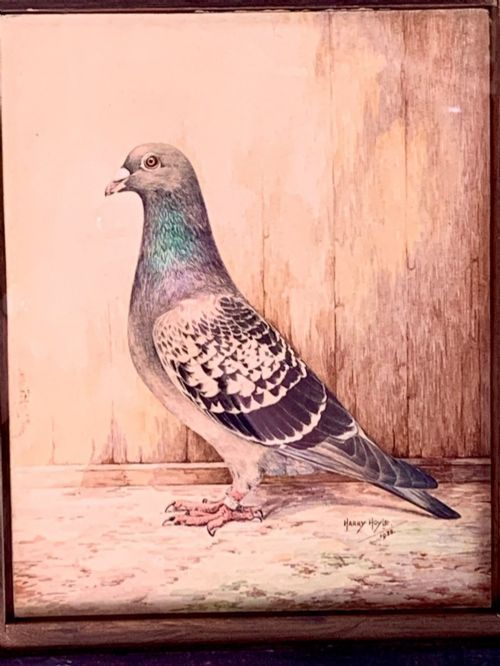
One listed watercolour specifically commemorates a royal messenger pigeon that won the King George V Silver Jubilee race in 1935.
Distinctions in quality
The distinction between ordinary and superior pieces rests on the sureness of the draftsmanship and the expressive depth of the likeness. Masterly handling of paint or pastel brings vitality to a subject, whereas weaker examples rely on rigid formulas.
Condition and originality also determine merit, particularly the preservation of the pigment surface, the stability of the support, and whether a work retains its period frame. Framed items featuring hallmarked silver or documented artist attributions command greater interest.
Philippe de Rougemont·Olga Choumansky·Edouard Julien·Henri Vincent-Anglade·Gaetan Dumas·GEORGES GOURSAT·Philip Naviasky·Yo Mayer·Burr Singer·Bohumil Rezl·Adrian Bury
The 1930s Portrait Art Glossary
- Pastel
- A dry medium composed of powdered pigment and a binder, shaped into sticks for drawing on paper or board. Pastels produce vibrant colour but require glass protection.
- Gouache
- An opaque watercolour medium containing pigment and a binding agent such as gum, yielding flat areas of saturated colour. It was favoured by avant-garde illustrators of the period.
- Terracotta
- Fired unglazed clay possessing a reddish-brown earthenware body. Sculptors used it extensively for modeled portrait busts.
- Engine-turned
- A mechanical surface decoration technique producing precise geometric patterns of engraved lines on metal frames. It is characteristic of luxury objects from the period.
- Post-Impressionism
- An art movement extending the stylistic innovations of impressionism while rejecting its limitations. Practitioners emphasised symbolic content, expressive brushwork, and distinct forms.
1930s Portrait Art: Frequently Asked Questions
What defines 1930s portrait art?
These works reflect the artistic movements of the interwar era, combining traditional figurative representation with modernism, surrealism, and post-impressionist techniques. Subjects range from formal portraiture and royal commissions to intimate studies of models and anonymous sitters.
Artists of this decade employed diverse media, including oil, watercolour, and pastel, capturing the distinct aesthetic and psychological moods of the period.
How should I display a pastel portrait?
Pastel works on paper require framing behind glass to protect the delicate, friable pigment layer from atmospheric moisture and physical contact. UV-filtering glazing prevents the colours from fading over time.
Position the piece away from direct sunlight and damp environments to ensure the paper support and dry media remain stable for decades.
How do I identify a period frame?
Interwar frames often feature distinct design elements such as chrome plating, engine-turned silver surfaces, or stepped skyscraper profiles characteristic of the Art Deco style. Wood frames from the era frequently display simple, clean mouldings that complement modernist aesthetics.
Examining the backing materials, fixings, and general wear helps determine whether the frame is contemporary to the artwork it houses.
Where were these portrait pieces created?
The items originate from workshops and studios across Britain and continental Europe, with notable concentrations in France and Sweden. Major cultural centres like Paris and London attracted diverse international artists who contributed to the avant-garde and realist movements.
Provincial studios and regional academies also produced significant painted portraits and sculptural busts during the same years.