

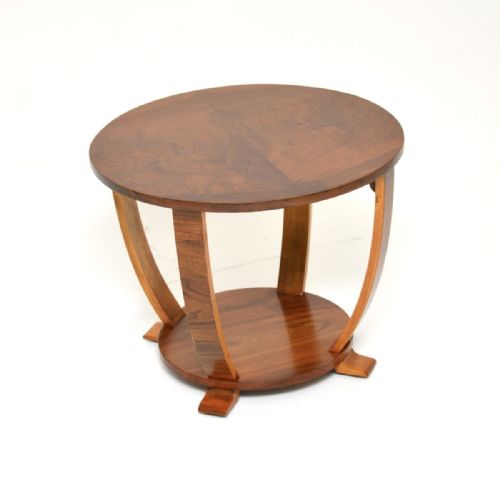
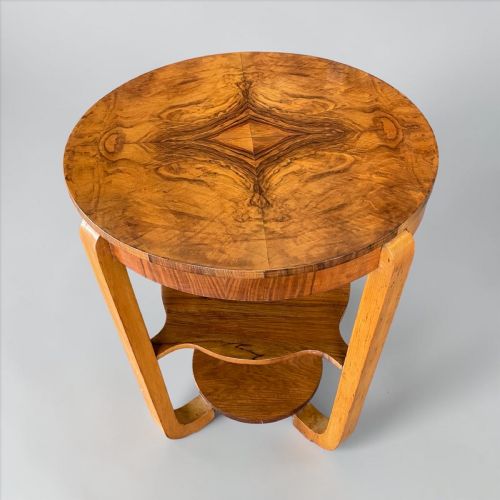
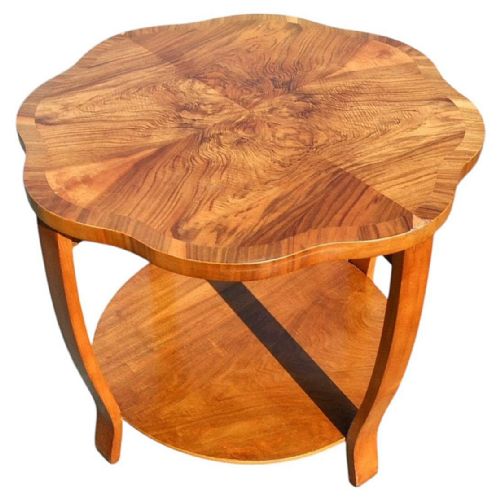
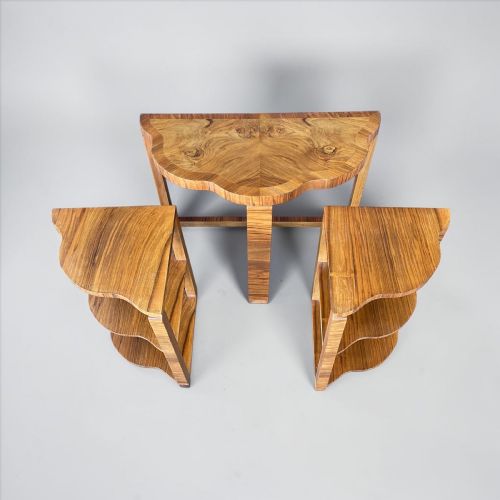
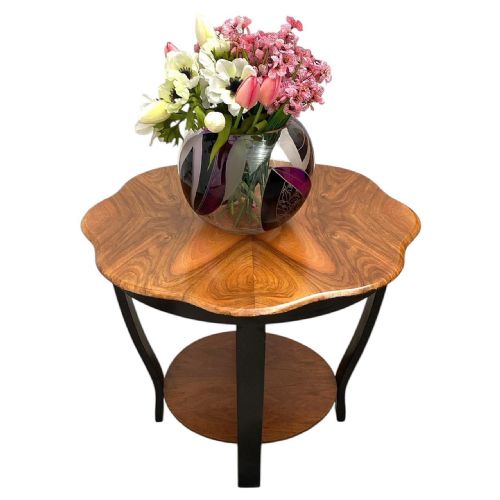

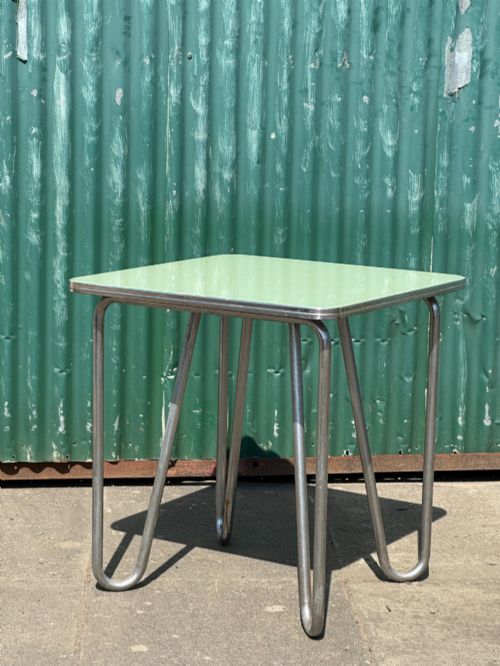

1930s Occasional Furniture
These 1930s occasional furniture pieces bring genuine interwar character to a room through compact, practical designs.
1930s Occasional Furniture
When searching for 1930s occasional furniture, buyers encounter versatile side pieces designed for domestic utility during the interwar period. The selection on this page centres heavily on the Art Deco style, alongside Arts and Crafts, Jacobean Revival, and Anglo-Indian influences.
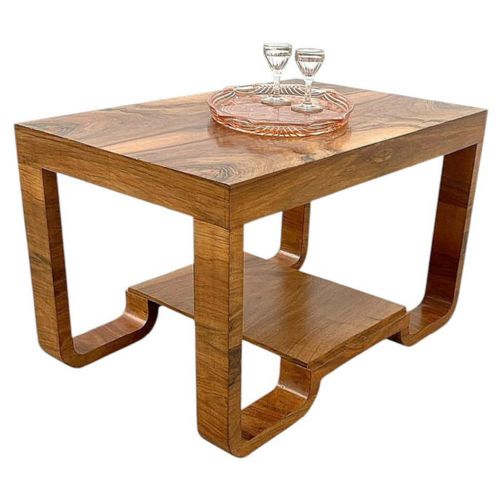
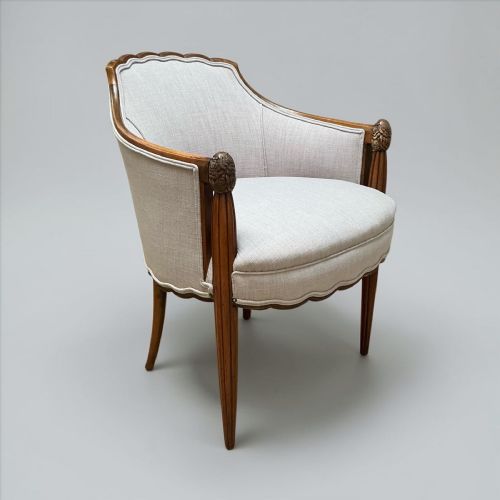
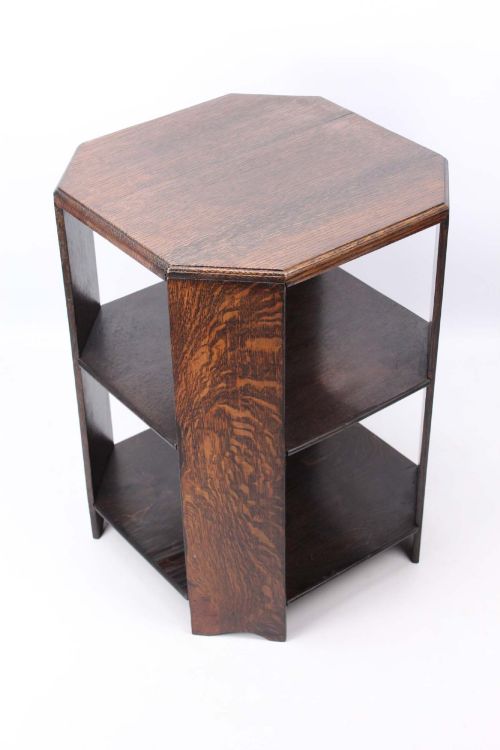
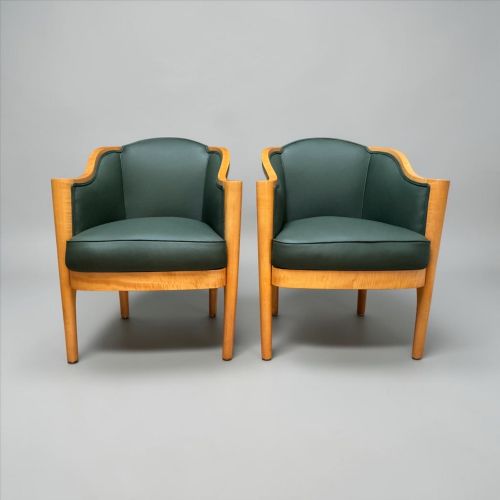
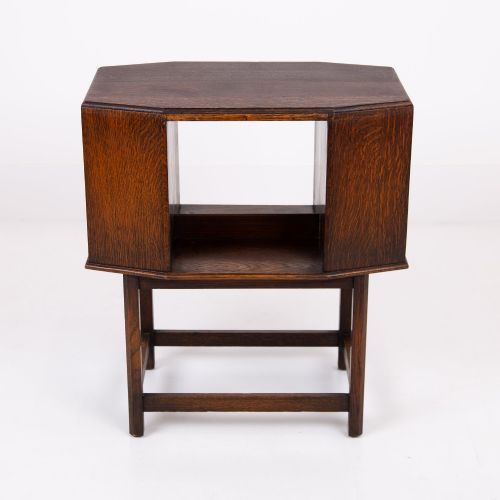
The physical forms include side tables, nests of tables, coffee tables, book tables, armchairs, and bedroom chairs. Walnut, oak, and birds eye maple dominate the timber choices, frequently paired with glass or chrome details.
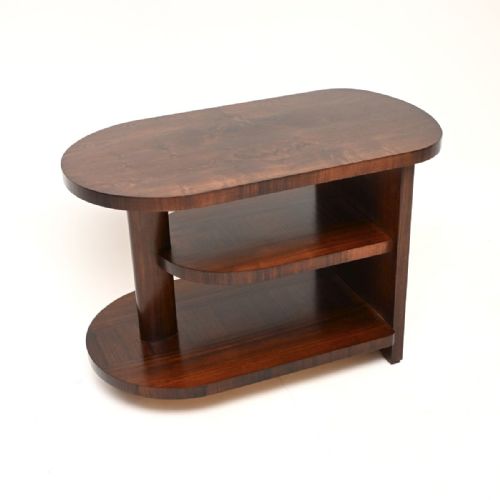
English workshops and French designers produced the majority of these pieces, bridging traditional craftsmanship with modernist aspirations. Buyers find both simple oak book tables and high-end figured walnut tier tables suited to everyday interior use.
Materials and Technique
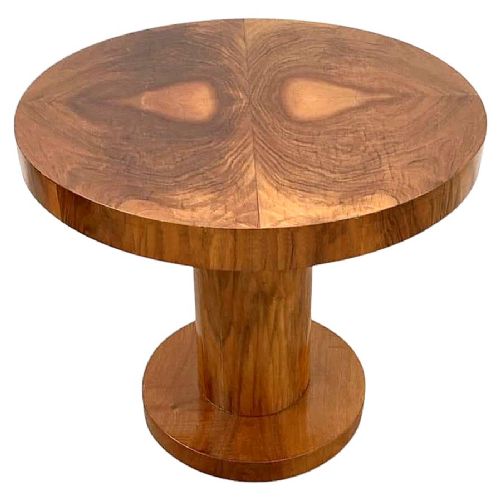
Cabinet makers utilised rich wood veneers like burr walnut and figured walnut applied over solid timber cores, creating striking grain patterns across table tops. Ebonised wood and rosewood appear in select pieces to provide stark contrast and depth.
Metal and glass integration marked a shift towards modernism, seen in tubular chrome supports and mirror-topped surfaces. Traditional joinery methods underpinned the structural integrity of these occasional tables and chairs despite the introduction of industrial materials.
1930s Occasional Furniture Retail Price Guide 2026
Typical asking prices for 1930s occasional furniture among the pieces listed under this phrase on Sellingantiques today, from the lower quarter to the upper quarter. They describe what is for sale here now, not the wider market.
The documented periods span the 1920s and 1940s, anchored primarily by pieces attributed to the 1930s.
Evaluating the Pieces
The quality of 1930s occasional furniture rests upon the choice of veneer and the precision of its book-matching across larger surfaces. Highly figured walnut or birds eye maple demands expert handling to maintain structural harmony and visual balance.
Design attribution and material combination elevate specific items, such as those incorporating chrome frames or documented maker output. Simpler mass-produced oak items contrast with bespoke commissions designed for modernist interiors.
Maurice Adams·Hille·Harry and Lou Epstein·PEL·Heal's
The 1930s Occasional Furniture Glossary
- Art Deco
- A design movement prevalent in the 1930s characterised by sleek lines, geometric shapes, and modern industrial materials. It influenced architecture, furniture, and decorative arts globally.
- Veneer
- A thin slice of decorative wood glued over a base material to create a patterned surface. Figured walnut and burr walnut are common examples found in interwar pieces.
- Nesting tables
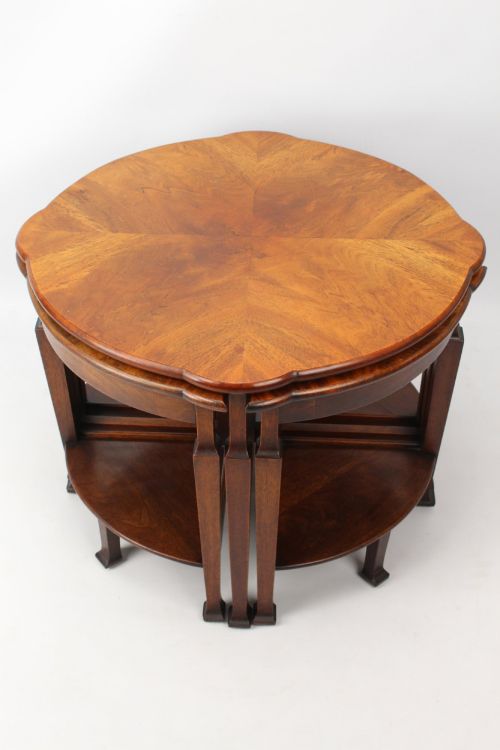
- A set of graduated tables designed to fit neatly beneath one another when not in use. They provide flexible surface space in smaller living areas.
- Book table
- A specialised occasional table incorporating integrated shelving or compartments for holding books. These pieces maximise storage utility in compact rooms.
- Ebonised wood
- Timber treated with a finish to make it resemble ebony. This dark staining technique was frequently used to create contrast in modernist designs.
1930s Occasional Furniture: Frequently Asked Questions
How do I identify 1930s occasional furniture?
Look for characteristic styling such as geometric Art Deco lines, stepped profiles, and the use of modern materials like chrome alongside traditional woods.
Examination of the veneers and construction methods also helps confirm the interwar period of manufacture.
Are nest of tables practical for daily use?
These nesting sets offer exceptional versatility for modern living spaces by providing extra surface area only when needed.
They slide together compactly to save floor space during routine daily activities.
What woods were commonly used in 1930s tables?
Walnut and oak form the foundation of most pieces from this era, with figured veneers adding decorative appeal to table tops.
Exotic timbers like rosewood and birds eye maple appear on higher-end modernist commissions.
How do I care for walnut veneer surfaces?
Protect the polished wood from direct sunlight and excessive moisture to prevent fading and lifting of the delicate veneer.
Dust regularly with a soft, dry cloth and avoid harsh chemical polishes that can damage the historical finish.