


1930s Modernist Side Table
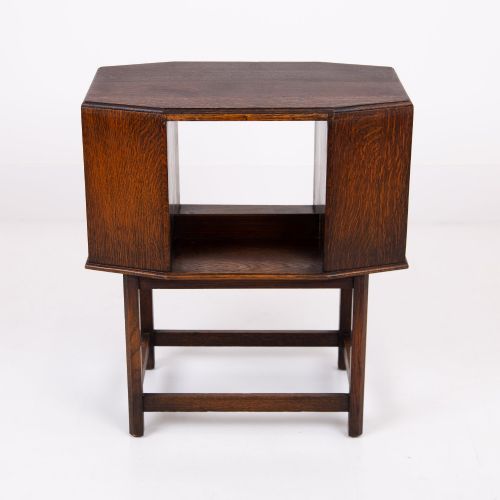
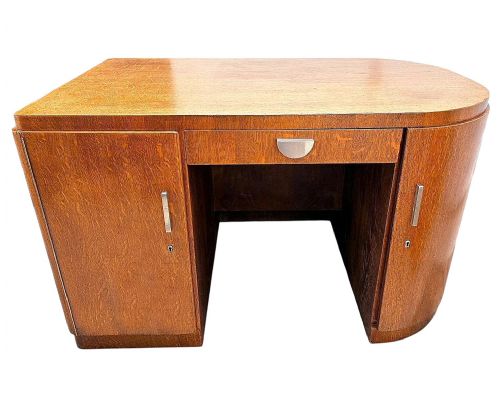
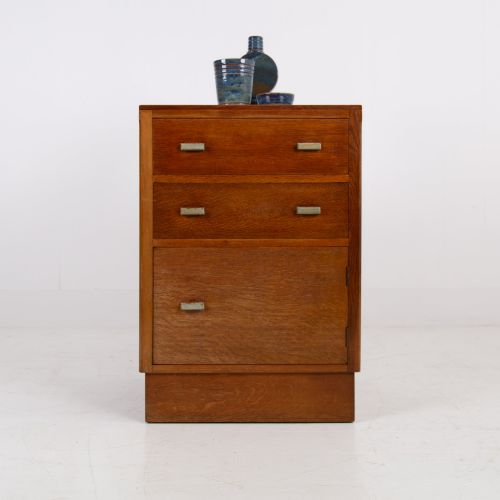
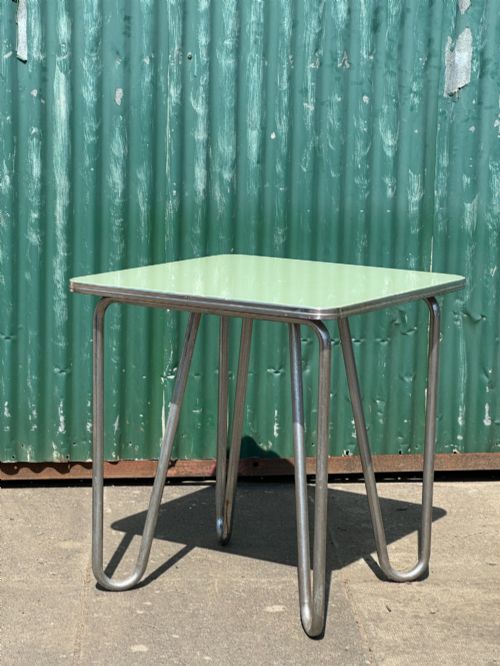
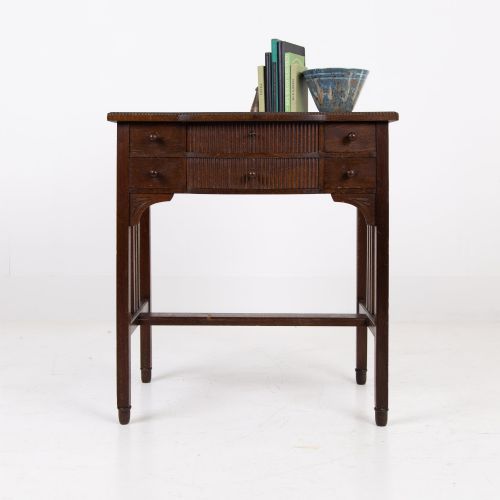
These pieces are a 1930s modernist side table, combining functional geometry and clean lines that bring distinct period character to a modern interior.
1930s Modernist Side Table
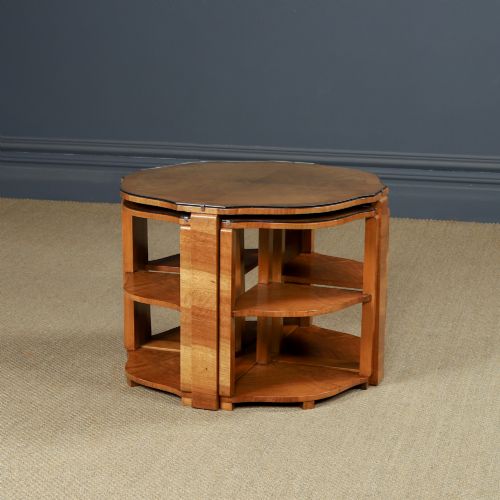
A 1930s modernist side table typically manifests as an occasional, coffee, or lamp table, alongside related forms like nests of tables and telephone tables. These domestic items embody the transition from ornate decoration to streamlined utility during the interwar period.
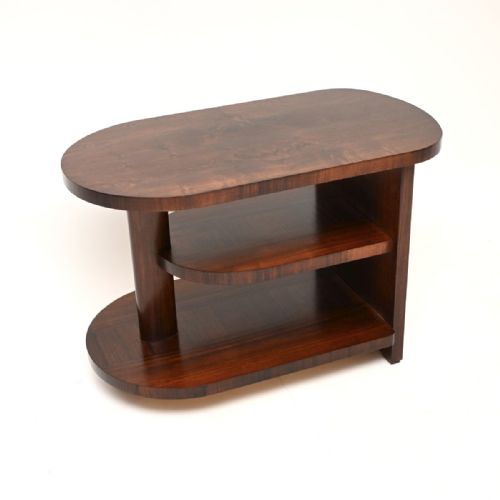
The surviving examples reflect diverse English and continental origins, often categorized under Art Deco or Art Deco Modernist styles. Buyers frequently encounter variants featuring tiered shelves or integrated book storage alongside standard compact surfaces.
Most entries utilise robust timber constructions or industrial metal frames suited to compact spaces. The selection ranges from simple occasional stands to more complex multi-tiered pieces designed for specific domestic corners.
Materials and construction
Makers utilised a combination of traditional hardwoods like oak, walnut, and exotic veneers such as rosewood and ebony Macassar alongside industrial elements like tubular steel, chrome, and glass. This juxtaposition of warm timber and cold metal defines the physical substance of the era.
Joinery and structural framing supported geometric forms, with circular, D-end, and square configurations dominating the silhouette. Designers applied polished wood veneers over core timbers to create smooth, unbroken surfaces that emphasised grain patterns.
Metal components, including nickel plating and tubular steel frames, provided rigid support while introducing reflective surfaces. Glass inserts and casters added functional mobility and lightness to heavier wooden frames.
Several designs incorporated specialised telephone shelves, reflecting the sudden domestic intrusion of the switchboard.
Quality and execution
The distinction between standard production and exceptional work lies in the handling of materials and the integrity of the design. Superior examples display carefully matched wood veneers and precise integration of metal elements without clumsy joints.
Renowned designers and workshops applied rigorous architectural proportions to domestic furniture, elevating simple side tables into sculptural objects. The harmony between structural framework and surface finish separates mass production from master craftsmanship.
Gomme·PEL·Gilbert Rohde·Muller Bros·Hille·Michel Dufet
The 1930s Modernist Side Table Glossary
- Art Deco
- A design style characterised by sleek geometric shapes, streamlined forms, and modern industrial materials. It dominated decorative arts throughout the interwar period.
- Tubular steel
- Hollow steel piping utilised extensively in modernist furniture frames for its strength and sleek appearance. It allowed makers to construct lightweight, cantilevered structures.
- Veneer
- A thin slice of figured wood applied over a stable secondary timber core. This technique displayed expensive grain patterns economically while preventing warping.
- Gueridon
- A small French occasional table or stand, frequently circular in plan. The form dates back earlier but received modernist updates in the interwar decades.
1930s Modernist Side Table: Frequently Asked Questions
Where did people put these tables?
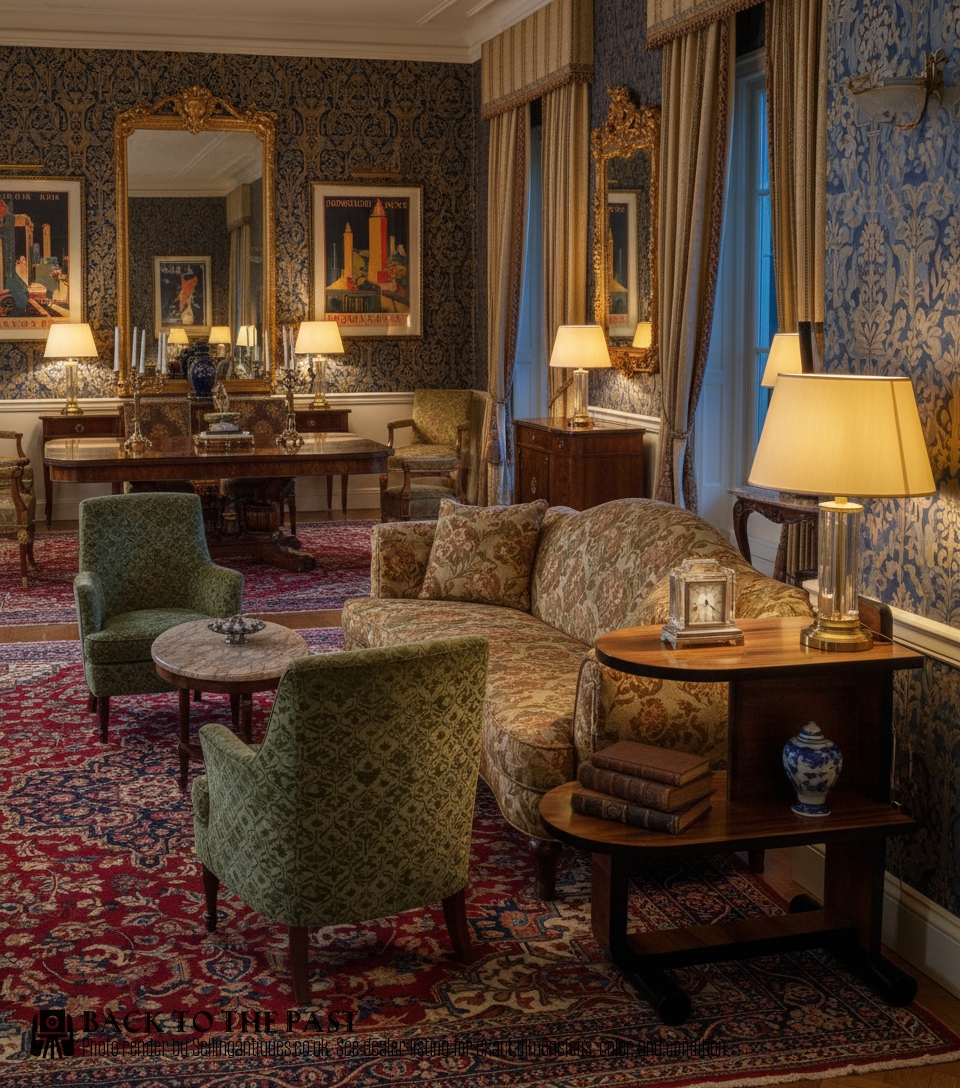
These compact surfaces served beside armchairs, near telephones, or as occasional lamp stands in interwar sitting rooms. Their modest footprints allowed them to fit easily into smaller domestic spaces.
They function equally well today beside modern sofas or as bedside stands where surface area is limited.
How do I clean wooden surfaces?
Maintain polished wood and veneered surfaces using a soft cloth and minimal moisture to protect the underlying timber. Avoid harsh chemical sprays that degrade antique finishes over time.
Regular dusting preserves the natural lustre of walnut and oak without disturbing historical patination.
Can I mix these with modern decor?
The clean geometric lines and neutral wood tones pair naturally with contemporary minimalist interiors. Their architectural forms act as focal points against plain walls.
Combining period tables with modern seating creates a layered interior that highlights the original craftsmanship.
What defines the modernist style?
Modernism prioritised function, clean geometry, and the honest expression of new industrial materials over historical ornamentation. Designers rejected Victorian clutter in favour of streamlined silhouettes.
This ethos produced furniture that remains remarkably versatile in contemporary living environments.