


1930s Marble Accent Table
These 1930s marble accent table pieces combine heavy stone bases with characteristic period lighting and small stands that anchor an interior.
1930s Marble Accent Table
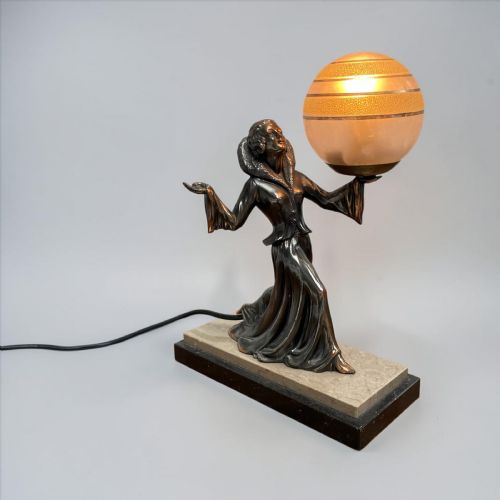
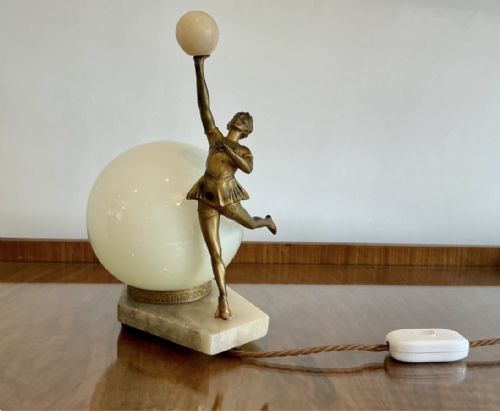
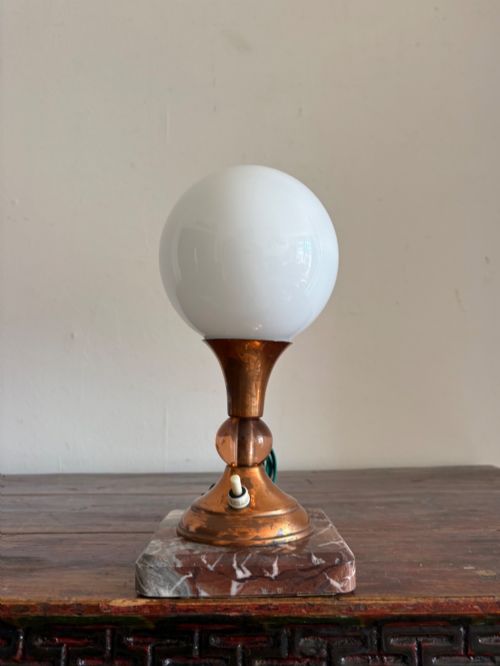
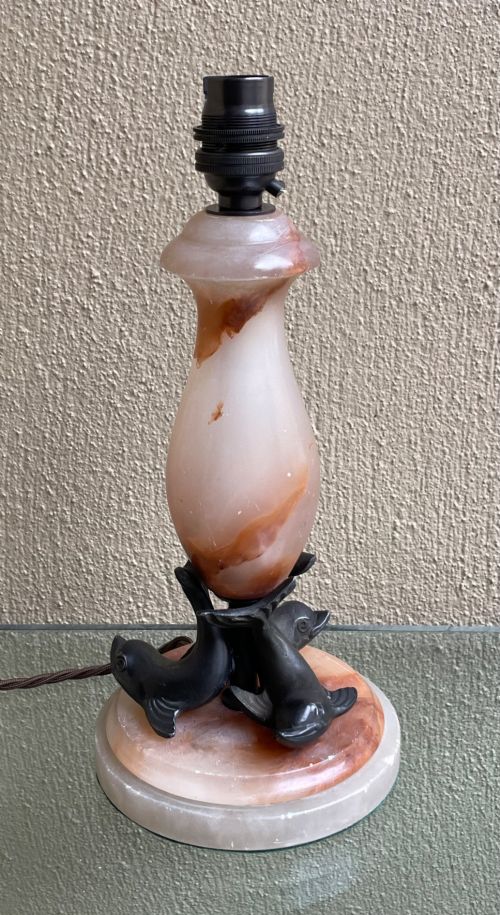
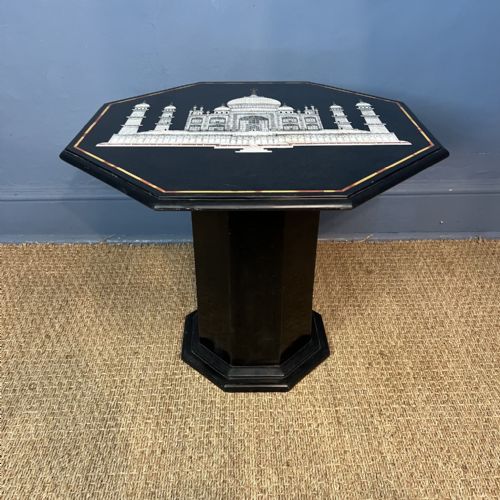
When you search for a 1930s marble accent table, you encounter a mix of compact furniture forms and heavy stone-based lighting fixtures. The furniture includes side tables, bedside tables, plant stands, and urn stands featuring inlaid black marble or marble tops. Alongside these stands appear numerous table lamps, night lights, and mood lamps utilising marble or alabaster bases.
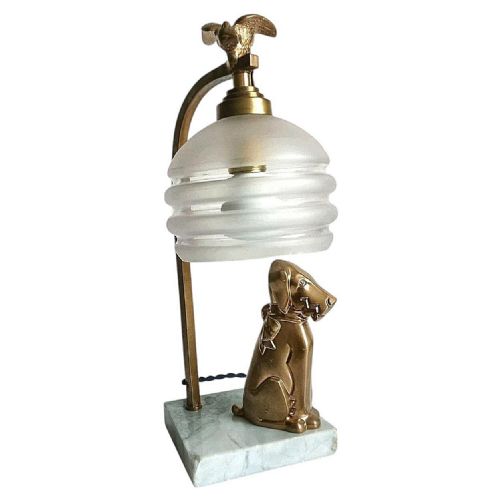
The dominant aesthetic across these objects is Art Deco, alongside regional variations such as Anglo-Indian and Republic Period Chinese forms. Buyers find that many pieces integrate metal figures, spelter dogs, and glass shades directly onto the stone foundation. These items serve simultaneously as functional surfaces and sculptural display pieces within a room.
How they were made
Makers constructed these pieces using dense slabs of marble or alabaster paired with metals such as copper, brass, bronze, and spelter. Stone bases were cut and polished to support the weight of upward-pointing figural lamps, side tables, and plant stands. Artisans mounted animals, human figures, and birds cast in spelter or patinated metal directly onto the stone.
Lighting components incorporated glass elements including opaline glass, frosted glass, and celluloid shades to diffuse the glow from the base. Furniture items featured specialised construction techniques like the black marble inlay seen in Anglo-Indian work and the curved kidney bean geometry of French nightstands.
Listings combine Art Deco lighting and furniture utilising marble, glass, spelter, brass, and copper across the 1920 and 1930 periods.
What varies in quality
Quality across these items rests in the harmony between the stone base and the mounted objects or superstructure. Superior examples exhibit tightly fitted marble inlays, cleanly cast spelter or metal figures, and undamaged glass shades. Lower grades show crude casting seams on metal elements and poorly finished stone edges.
The selection of materials also dictates the standard of the piece, with genuine black marble and quality patinated metals sitting above simpler compositions. The integrity of the combined elements, such as firm fixings between the lamp body and the marble base, defines the better tier of survivals.
The 1930s Marble Accent Table Glossary
- Spelter
- A zinc alloy frequently used as a substitute for bronze in decorative figures and lamp mounts. It was easily cast into detailed shapes before being painted or patinated.
- Opaline glass
- A pale, milky translucent glass popular for lamp shades during the period. It softens the light emitted from the bulb.
- Alabaster
- A fine-grained, translucent variety of stone utilised for carved lamp bases and sculptural elements. It allows light to pass partially through the material when illuminated.
- Inlay
- A technique where contrasting materials are embedded into the surface of a stone base to create decorative patterns. This method appears on black marble furniture from the period.
1930s Marble Accent Table: Frequently Asked Questions
What defines a 1930s marble accent table?
These items encompass small furniture stands with stone surfaces and heavy stone-based lamps from the period. They combine functional utility with decorative sculptural elements.
Most examples reflect Art Deco design principles, utilising materials like marble, spelter, and glass to create compact statement pieces.
How were these stone bases used?
The heavy stone sections served primarily as stable foundations for figural table lamps and night lights. They also functioned as durable tops for small bedside tables and plant stands.
This weight ensured that tall lamps or loaded display stands remained balanced on wooden flooring or carpets.
How do I identify Art Deco style?
Art Deco pieces display geometric lines, streamlined animal figures, and stylized human forms. The aesthetic emphasises modern industrial progress and sleek silhouettes.
In these items, the style appears in the dynamic poses of greyhounds, dancers, and birds mounted on stone.
Where did these pieces originate?
The listings show items originating primarily from France, alongside Anglo-Indian and Chinese workshop traditions. French pieces often feature figural spelter mounts and kidney bean tables.
Regional techniques distinguish the inlaid stone furniture from the European lighting fixtures.