


1930s Gold Diamond Ring
Discover a 1930s gold diamond ring for its geometric Art Deco styling and hand-cut stones set in precious metal.
1930s Gold Diamond Ring
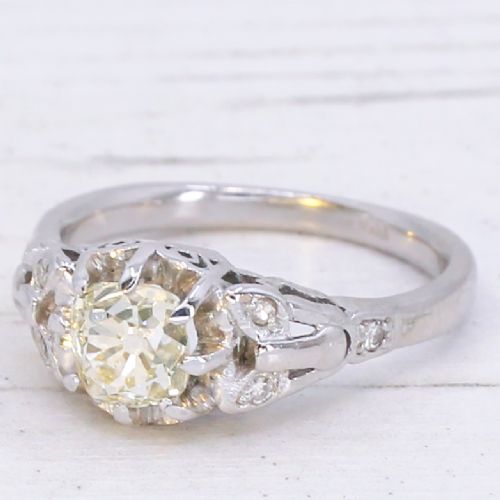
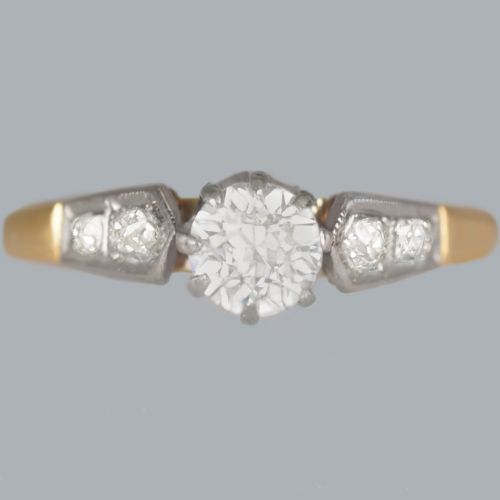
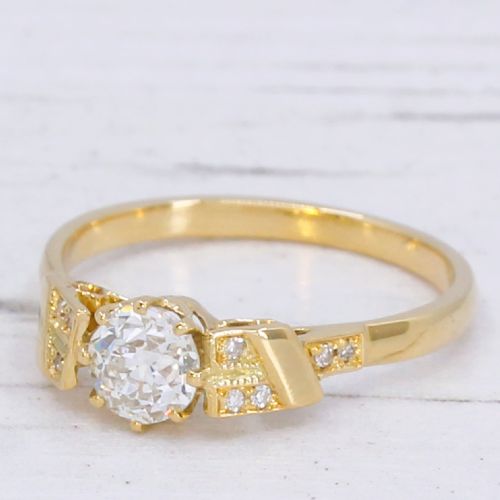
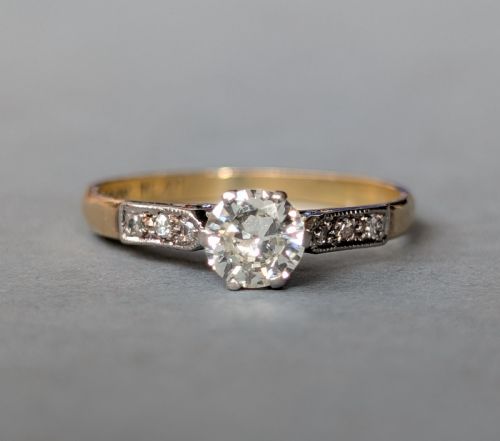
A 1930s gold diamond ring embodies the geometric precision and elegant forms of the Art Deco period, serving as an engagement or dress ring.
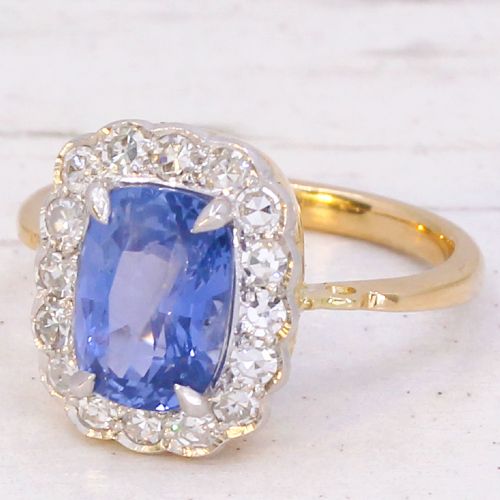
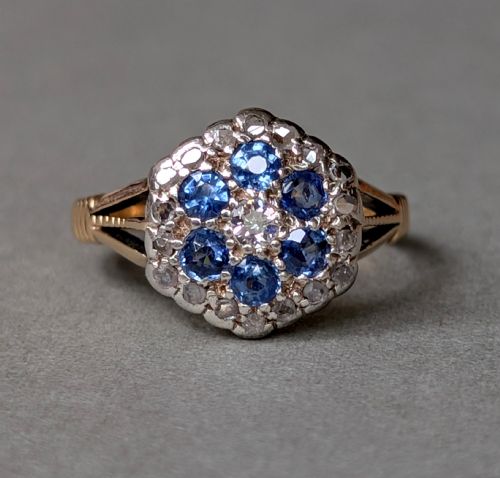
Many examples combine diamonds with coloured gemstones such as sapphire, ruby, emerald, zircon, aquamarine, amethyst, and opal.
How They Were Made
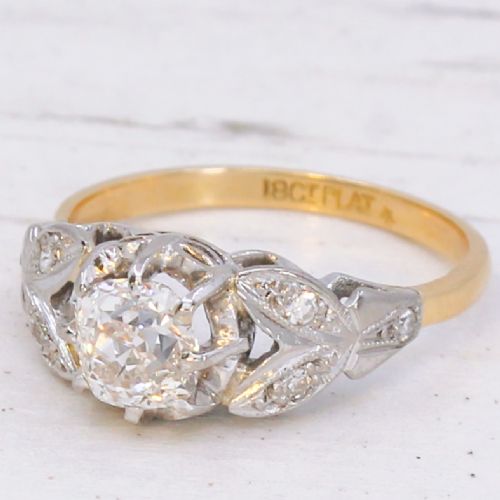
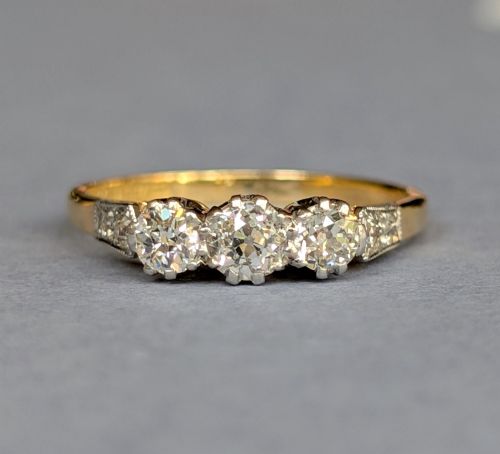
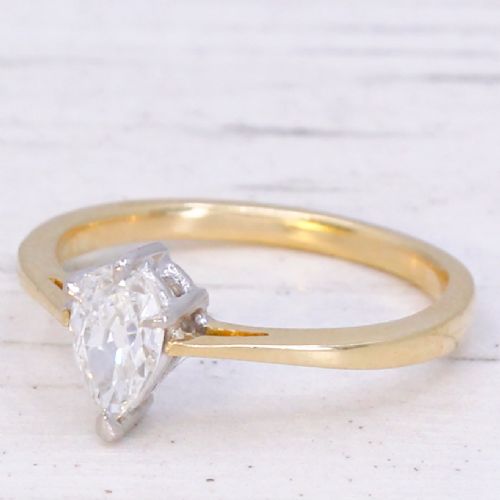
Goldsmiths utilised 18ct yellow gold, 18ct white gold, and platinum, often pairing platinum settings with gold bands to highlight the white sparkle of the diamonds.
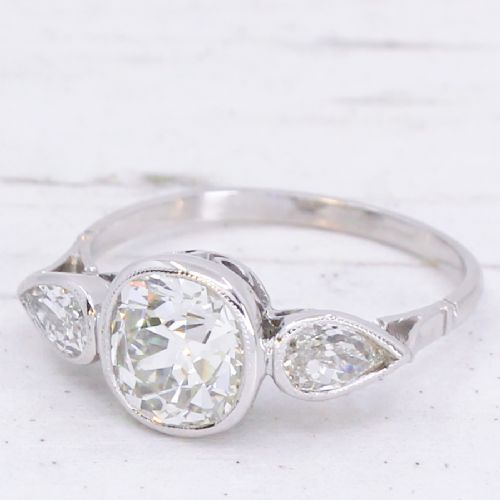
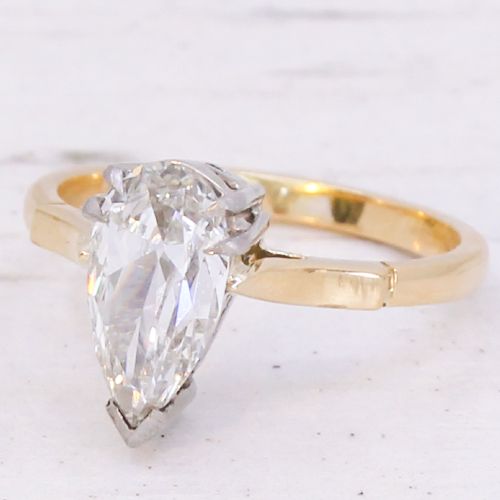
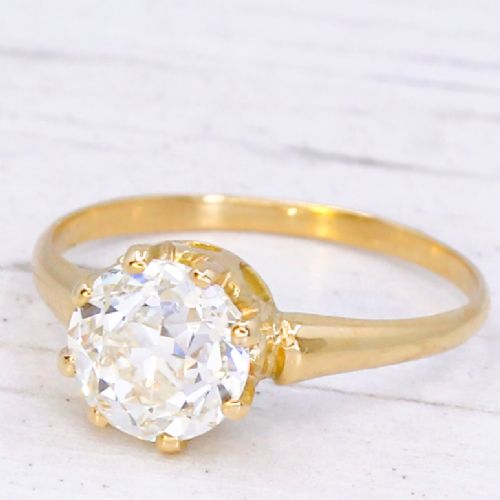
The stones themselves were shaped by hand into old European cuts, old cushion cuts, old pear cuts, and rose cuts rather than modern brilliant cuts.
Listings feature items from the 1920s through to the 1940s, showcasing both yellow gold and white gold metals.
What Varies In Quality
The distinction between tiers rests upon the carat weight, clarity, and cutting symmetry of the central diamonds and accompanying coloured gemstones.
Craftsmanship quality shows in the fineness of the platinum claw or bezel settings and the integrity of the geometric metalwork supporting the stones.
W H Tandy·Mappin & Webb
The 1930s Gold Diamond Ring Glossary
- Art Deco
- A design style from the 1920s and 1930s characterised by symmetry, geometric lines, and streamlined forms. It heavily influenced jewellery manufacturing of the era.
- Old European Cut
- An early round diamond cut featuring a small table, heavy crown, and open culet. These hand-faceted stones possess a distinct charm compared to modern cuts.
- Cluster Ring
- A ring design where a central gemstone is surrounded by a halo of smaller stones, often diamonds. This arrangement maximises visual impact and sparkle.
- Trilogy Ring
- A three-stone ring representing the past, present, and future. It typically uses diamonds or a coloured centre stone flanked by diamonds.
1930s Gold Diamond Ring: Frequently Asked Questions
How do I wear a 1930s diamond ring daily?
These pieces can be worn every day provided you take sensible precautions with antique settings. Remove the ring during manual tasks or heavy lifting to protect the precious metal claws.
Have a professional jeweller check the platinum and gold settings periodically to ensure the old-cut diamonds remain secure.
Can I resize a vintage 1930s gold ring?
Most gold and platinum rings from this period can be adjusted by a skilled jeweller. The shank can typically be made larger or smaller without disturbing the geometric top.
Consult an expert who understands antique construction to preserve any original engraving or delicate gallery work.
What is the difference between old cut and modern diamonds?
Old cut diamonds were shaped by hand under candlelight or gaslight, resulting in smaller tables and wider facets. This gives them a softer, candlelit glow rather than the sharp brilliance of modern stones.
Each stone is entirely unique due to the individual hand-polishing techniques employed by period lapidaries.
Are coloured stones common in 1930s rings?
Sapphires, rubies, and emeralds frequently appear alongside diamonds in clusters and multi-stone configurations. These vibrant gems reflect the bold palette favoured by Art Deco designers.
Blue sapphires and emeralds are particularly widespread among the surviving examples from this decade.