



1930s Glass Top Table
These 1930s glass top table examples bring genuine Art Deco lines and practical surfaces to a room.
1930s Glass Top Table
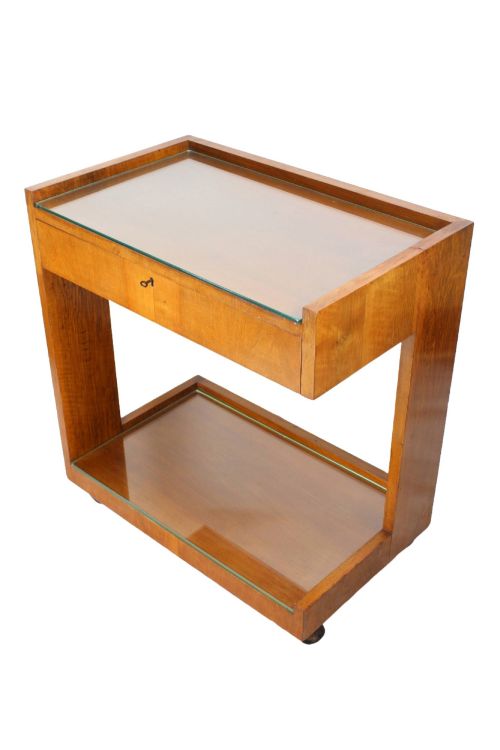
A 1930s glass top table covers a range of practical domestic forms shaped by the Art Deco style, from low coffee tables and tiered drinks trolleys to centre tables and nests of tables. You will frequently meet coffee tables and occasional tables resting on timber or metal frames when searching for this phrase.
The materials and construction reflect the period, utilising walnut, burr walnut, bleached walnut, birds eye maple, rosewood, oak, wrought iron, brass, and chrome alongside clear or silvered glass. Pieces originate from English, French, and other workshops, spanning the 1920s to the 1940s alongside the core nineteen-thirties production dates.
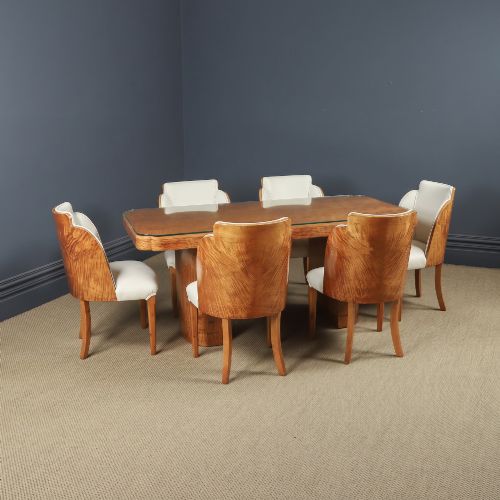
Beyond standard coffee tables, the broader evidence includes dining suites, desks, bedside cabinets, and drinks trolleys that incorporate glass surfaces or display trays. These variations demonstrate how makers applied the style across different household furniture types.
Materials and construction
Makers built the supporting frames from solid and veneered timbers including walnut, satinwood, maple, and oak, pairing them with glass tops, mirrors, and silvered glass. Metal elements also appear, combining wrought iron, brass, chrome, and sterling silver with cut glass or enamel.
Construction techniques relied on sturdy joinery for wooden pedestals, tiers, and nesting frames, while metal components were forged, cast, or plated. Original glass tops were cut to fit specific rebates or secured within frames, often accompanied by secondary tiers or shelves.
Some tables double as mobile cocktail bars, proving that interwar social life required wheels on the furniture.
Judging quality in period tables
Quality rests on the selection of timber veneers, such as burr walnut or birds eye maple, and the precision of the metalwork in brass, chrome, or wrought iron. Superior pieces show careful alignment in tiered designs and nests of tables.
The integrity of the original glass top, whether clear, silvered, or cut, contributes significantly to the piece. Finer examples maintain untouched original materials across both the supporting frame and the upper surface.
Henry Perkins·Harry and Lou Epstein·Goldsmith's and Silversmith's Co.
The 1930s Glass Top Table Glossary
- Art Deco
- A design style dominant in the 1920s and 1930s characterised by geometric shapes, streamlined forms, and modern materials. It influenced furniture, metalwork, and decorative objects.
- Burr Walnut
- A highly figured wood veneer taken from the growth excrescences on walnut trees. It creates intricate, swirling patterns across table tops and cabinet fronts.
- Birds Eye Maple
- A figure in maple wood that resembles tiny, swirling eyes packed together. It was favoured by Art Deco makers for light-coloured furniture surfaces.
- Guilloche Enamel
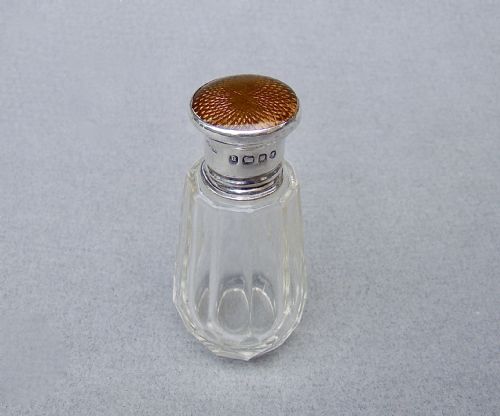
- A decorative technique where a geometric pattern is engraved beneath transparent enamel. It appears frequently on silver and glass vanity items from the period.
1930s Glass Top Table: Frequently Asked Questions
What defines a 1930s glass top table?
These tables combine Art Deco geometric styling with wooden or metal frames supporting a glass surface. They include coffee tables, centre tables, and tiered trolleys.
Materials range from walnut and maple to chrome, brass, and wrought iron, reflecting the modern design ethos of the decade.
How do I care for an original glass top?
Clean the glass gently with non-abrasive solutions to protect the surface and any underlying silvering or edges. Avoid heavy impacts that could chip the period glass.
Treat wooden or metal frames with appropriate waxes or dry cloths depending on the finish, keeping them away from direct heat sources.
Are these tables suitable for daily use?
Most coffee tables, trolleys, and occasional tables were built for functional domestic living and withstand normal daily use. Sturdy frames provide reliable support for everyday items.
Consider the delicacy of specific veneers or silvered glass surfaces when placing items on the table to preserve the original materials.
How can I tell a 1930s table from later copies?
Look for construction methods, timber types, and hardware characteristic of the interwar period, such as genuine walnut veneers and period metal casting. Original glass often shows subtle age characteristics.
Stylistic cues like Art Deco geometry and specific maker attributions help confirm the period of manufacture.