


1930s Glass Pendant Light
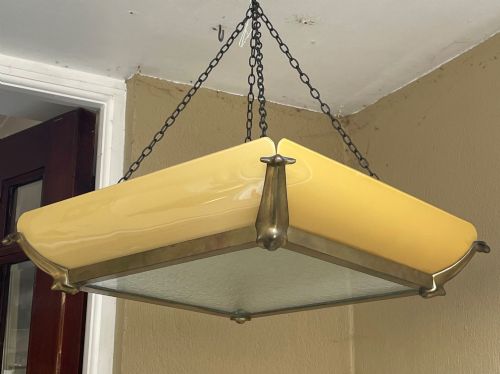
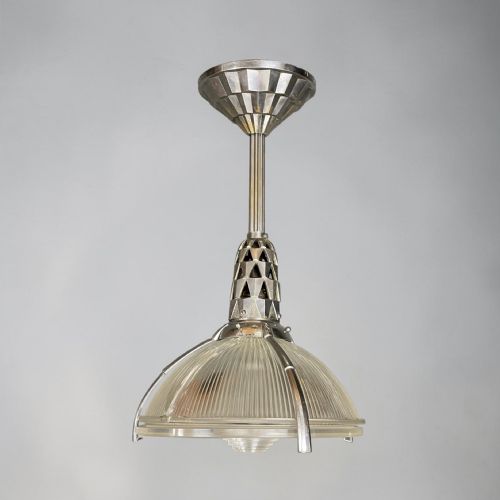
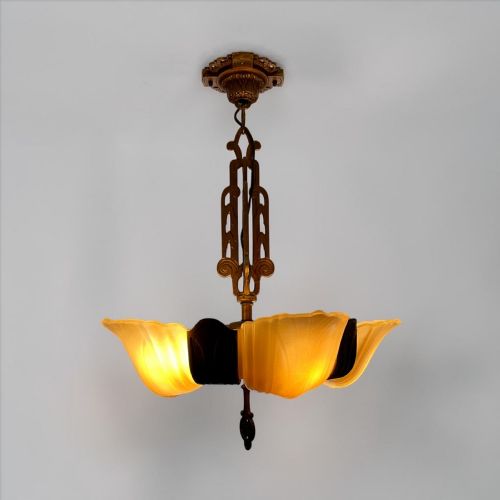
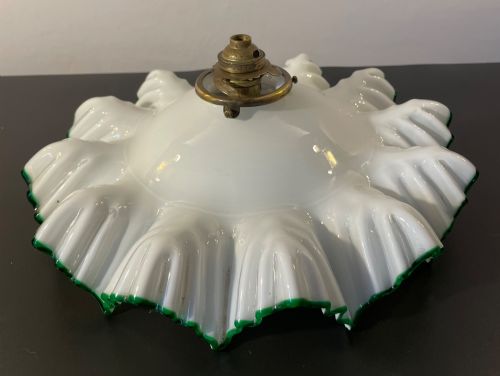
A 1930s glass pendant light brings distinctive period illumination to a room, combining architectural glass with metal work.
1930s Glass Pendant Light
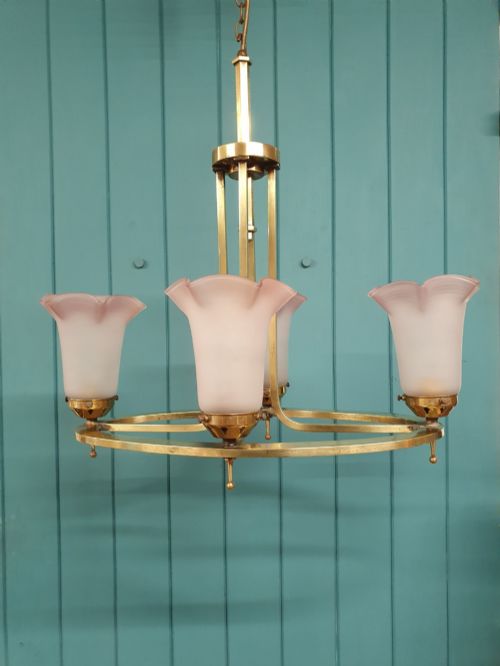
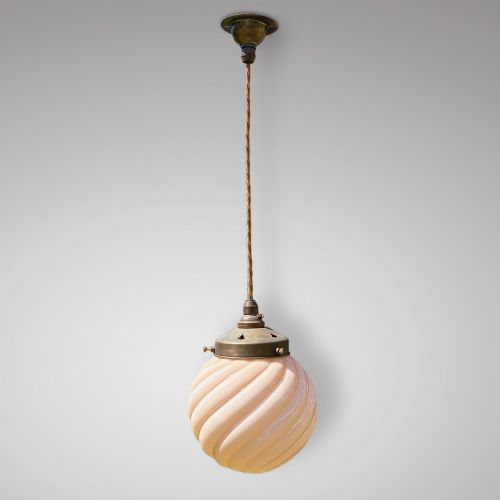
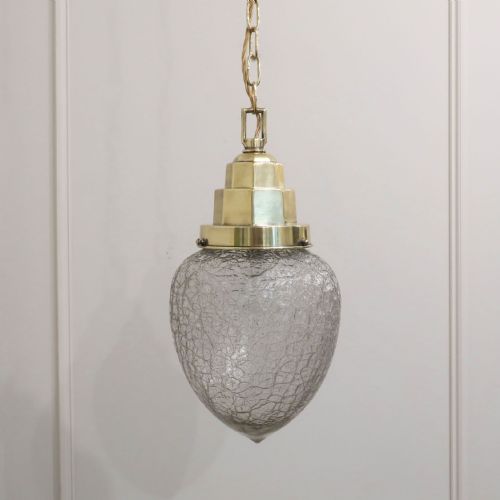
A 1930s glass pendant light is a ceiling-suspended fixture designed to diffuse illumination downward through moulded, frosted, or opaline shades. When you search for this phrase, you encounter lighting forms that range from simple single-bulb shades to multi-arm chandeliers.
The dominant aesthetic on this page is firmly rooted in the Art Deco style, accompanied by French Country and Highland Lodge influences. You will frequently find ceiling lights, hall lanterns, and plafonniers originating from the 1920 and 1930 periods.
These pieces serve as both functional illumination and architectural centrepieces within a space. Their diverse configurations accommodate both intimate hallways and expansive rooms.
Materials and construction
The construction relies heavily on combinations of glass and metal, specifically utilising brass, chrome, copper, and wrought iron alongside glass, crystal, frosted glass, and opaline glass. Metal components provide the structural framework and suspension, while glass shades shape and soften the light output.
Techniques range from slip-shading and acid-etching to mould-blowing, creating textured surfaces like crackle glass and fish scale patterns. Artisans shaped opaline and milk glass to achieve opaque, glowing effects that reduced glare.
The inventory spans the Art Deco style alongside French Country and Highland Lodge aesthetic influences.
Distinctions in quality
Quality reveals itself in the weight and thickness of the glass, as well as the precision of the metal mounts in brass, chrome, or copper. Finer examples display deliberate moulding and refined etching that maintain clarity and depth.
The integrity of the structural joinery between the metal frame and the glass shade separates standard production from superior output. Substantial hardware and balanced proportions indicate thoughtful design and careful assembly.
Émile-Jacques Ruhlmann·Jean Gauthier
The 1930s Glass Pendant Light Glossary
- Pendant light
- A lighting fixture suspended from the ceiling by a cord, chain, or metal rod. It directs illumination downward into a specific area.
- Opaline glass
- A milky, semi-translucent glass developed to diffuse light softly without heavy glare. It appears frequently in period lighting.
- Plafonnier
- A ceiling-mounted light fixture that sits flush or very close to the ceiling surface. These often feature large glass bowls held by metal mounts.
- Slip shade
- A moulded piece of glass that fits directly into a metal frame or arm. Multiple slip shades typically surround a central light source.
- Chandelier
- A branched ornamental light fixture designed to hold multiple bulbs. These fixtures often incorporate crystal or frosted glass elements.
1930s Glass Pendant Light: Frequently Asked Questions
How do I hang a pendant light?
These fixtures typically suspend from a ceiling hook or electrical junction box using a chain, cord, or rigid metal rod. Proper weight distribution and secure ceiling anchoring are essential for safe installation.
Professional electrical installation ensures the wiring matches current standards while supporting the specific weight of the brass, copper, and glass components.
What rooms suit these lights?
Pendant lights and hall lanterns work well in entryways, dining areas, and kitchens where focused overhead illumination is required. Their decorative metal and glass forms anchor the spatial layout of the room.
Lower-profile plafonniers suit rooms with restricted ceiling heights, whereas larger chandeliers demand open clearance to display their full proportions.
How do I clean antique glass?
Remove the glass shades from the metal framework before cleaning to prevent accidental damage to the brass, chrome, or copper mounts. Wash the glass gently in warm soapy water using a soft cloth.
Dry the pieces thoroughly before reassembly, and avoid abrasive cleaners that might scratch frosted, opaline, or etched surfaces.
Are these lights wired for modern use?
Many surviving fixtures retain older wiring configurations that require rewiring to meet contemporary electrical standards. A qualified electrician can adapt the internal fittings safely.
Retaining the original sockets and metalwork while updating the internal wiring preserves the historical integrity of the piece.