

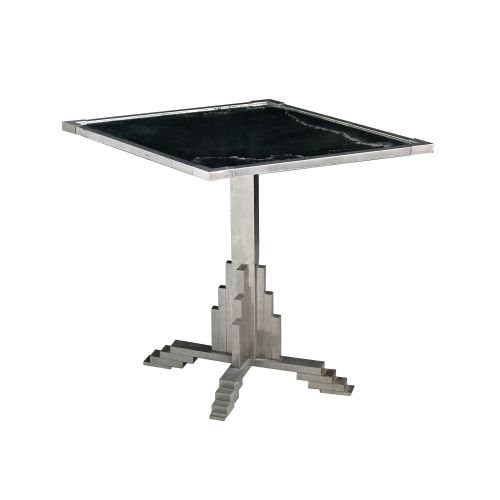


1930s Geometric Table Lamp
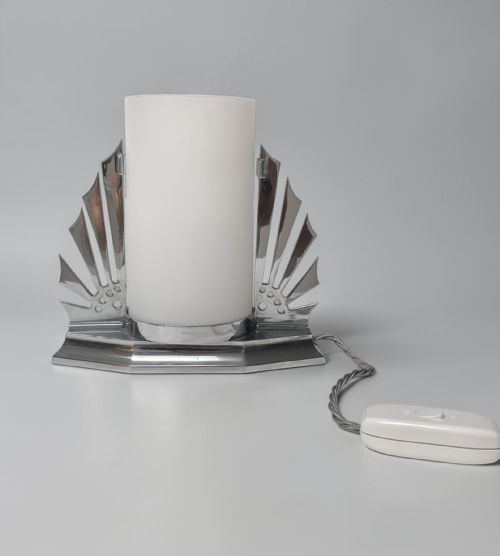
A 1930s geometric table lamp brings bold lines and authentic period charisma into a modern interior.
1930s Geometric Table Lamp
A 1930s geometric table lamp embodies the sleek aesthetic of the interwar period, combining architectural silhouettes with functional illumination. The pieces encountered here span the Art Deco and American Art Deco styles, often integrating sharp angles, stepped tiers, and streamlined forms.
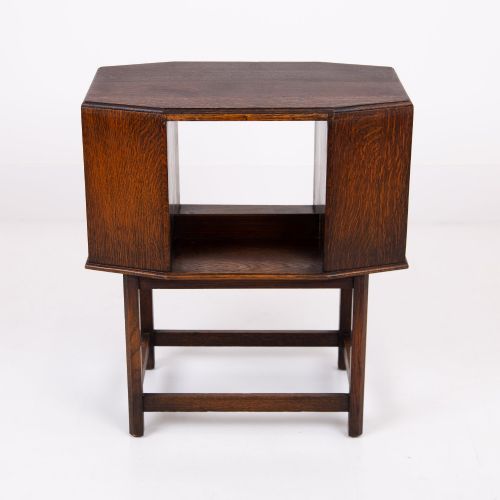
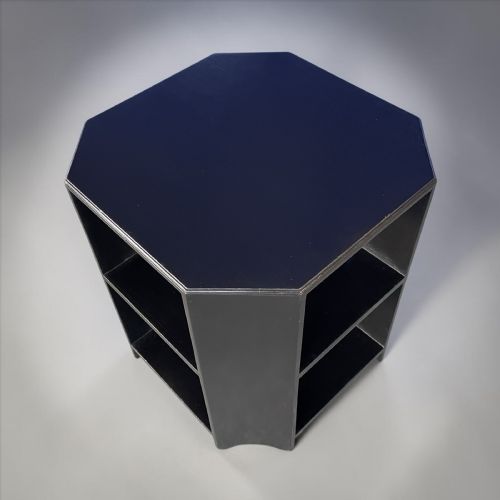
While the search term specifies a lamp, the broader landscape of surviving objects from this era heavily includes occasional furniture alongside lighting. Buyers will frequently find that lighting designs share the same vocabulary of form as contemporary side tables and centre tables.
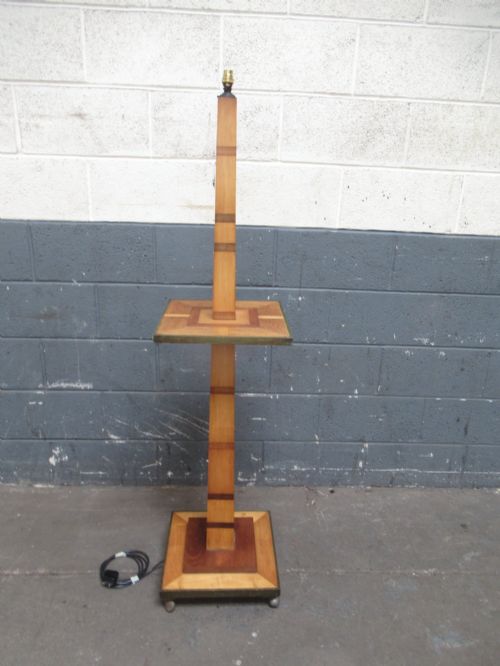
Materials play a defining role in identifying these objects, with chrome, brass, and glass appearing alongside traditional timbers such as walnut, oak, and ebonised wood. The fusion of industrial metals with organic glass shades creates the characteristic contrast central to the design ethos of the decade.
Materials and construction methods
Makers of the period utilised a sophisticated mix of industrial metals and newly developed synthetics to achieve a futuristic finish. Chrome plating and polished brass provided reflective surfaces, while early plastics such as bakelite and celluloid offered moulded precision for lamp bodies and switches.
Glass production reached notable artistic heights during this decade, yielding peach-toned and frosted shades cast in geometric moulds. These components were engineered to complement metal bases, ensuring structural stability while diffusing light through angular or stepped profiles.
Some adventurous designers even shaped lightning flashes into desk lamps.
Distinguishing quality in period lighting
Quality in a 1930s geometric table lamp is determined by the precision of its assembly and the integrity of its original components. Pieces that retain their signed glass shades or unaltered bakelite fittings demonstrate a higher degree of authenticity and craftsmanship.
The sophistication of the metalwork and the choice of secondary materials separate standard production items from exceptional examples. Heavy cast bases, substantial chrome plating, and complex multi-tiered glass configurations indicate superior execution by skilled workshops.
Eileen Grey·Muller Bros·Karl Palda·Walther and Sohne
The 1930s Geometric Table Lamp Glossary
- Art Deco
- A design style spanning the 1920s and 1930s characterised by streamlined forms, geometric patterns, and modern industrial materials. It influenced everything from architecture and furniture to domestic lighting.
- Bakelite
- An early thermosetting plastic prized in the interwar period for its durability and rich, dark lustre. It is frequently found on period switches, bases, and structural components.
- Celluloid
- A historic thermoplastic used for delicate mouldings and decorative panels on early lighting fixtures. It requires careful handling due to its sensitive nature.
- Ebonised Wood
- Timber treated with a dark stain or finish to imitate ebony, providing high-contrast accents against polished metal or glass elements. This technique accentuates clean, architectural lines.
1930s Geometric Table Lamp: Frequently Asked Questions
How do I identify an authentic 1930s lamp?
Authentic pieces display period-appropriate materials such as heavy chrome, original moulded glass, and bakelite fittings rather than modern synthetic reproductions.
Examination of the wiring methods and construction techniques often reveals the age and manufacturing origin of the lamp.
What materials were commonly used in these lamps?
Makers combined polished metals like brass and chrome with pressed glass shades, often incorporating wooden accents or synthetic plastics.
These varied elements were chosen to create striking contrasts and clean, modern silhouettes suitable for domestic interiors.
Are these lamps suitable for daily use?
Many period lamps function effectively in modern homes, provided the internal electrical components meet current safety standards.
Wiring should be assessed and updated by a professional while preserving the original exterior hardware and decorative shade.
How do Art Deco and Moderne styles differ?
Art Deco focuses on decorative geometry, contrasting materials, and vibrant colour integration within domestic objects.
Moderne places greater emphasis on sweeping horizontal lines, industrial finishes, and simplified, aerodynamic forms.