


Small Art Deco Lamp
These small art deco lamp pieces bring functional illumination and period geometry to any room, combining striking materials from the nineteen-twenties and thirties.
Small Art Deco Lamp
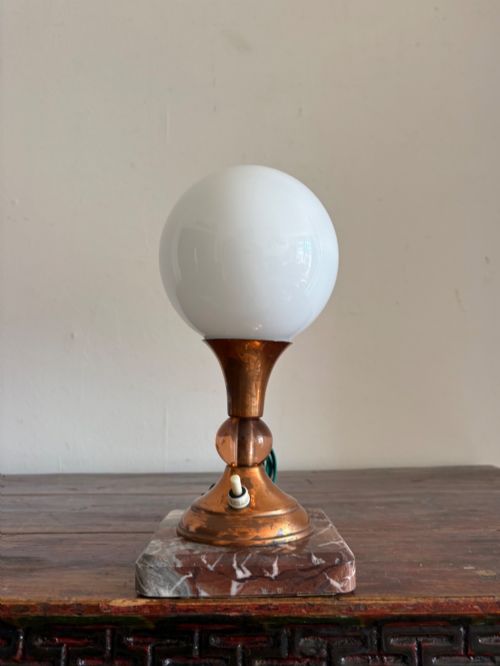
When you search for a small art deco lamp, you encounter lighting fixtures originating from the nineteen-twenties and nineteen-thirties that combine geometric forms with utilitarian design. The selection includes metal and glass constructions alongside specialised variants incorporating opaline shades or marble bases.
Beyond standard desk and table models, the evidence shows related lighting forms such as chandeliers, reflecting the broader interior aesthetics of the period. These pieces originate from English and French makers, utilising compact dimensions suited for occasional surfaces and bedside tables.
The aesthetic vocabulary relies on clean lines, metallic finishes, and contrasting material combinations like copper mounted on marble. Collectors find these items serving both practical illumination needs and decorative roles within period interiors.
How they were made
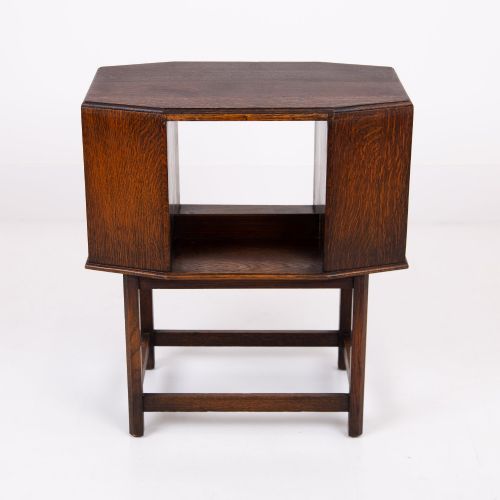
Makers constructed these lamps using combinations of base metals, brass, copper, and chrome paired with glass elements such as opaline shades. Solid timbers like oak and walnut also appear in the mounting structures of related lamp tables.
Techniques involved turning metals, cutting and blowing glass, and mounting fixtures securely onto heavy stone bases like marble to ensure stability. Surface treatments included polished metal finishes and applied patinas characteristic of the interwar decades.
What varies in quality
Quality rests upon the selection of materials, distinguishing mass-market items from pieces utilising heavy marble bases, thick opaline glass, and refined metalwork. The integration of contrasting elements, such as copper paired with stone, reveals the maker's attention to compositional balance.
The integrity of original components, from specialised shades to metal fittings, dictates the desirability of a piece. Finer examples retain their complete construction and authentic surface finishes without modern replacements.
The Small Art Deco Lamp Glossary
- Opaline Glass
- A milky, translucent glass often blown into shades that diffuse light evenly across a room. It appears frequently in period lighting fixtures.
- Art Deco
- The dominant design style of the nineteen-twenties and thirties characterised by streamlined geometric forms, sleek materials, and machine-age influences.
- Chinoiserie
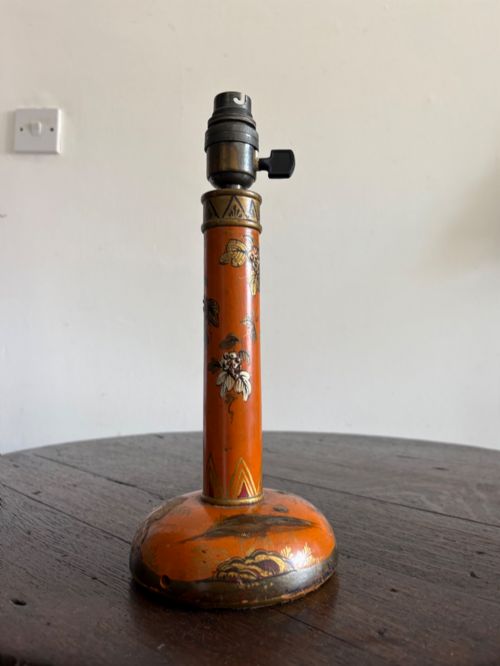
- European decorative style incorporating Chinese artistic motifs and lacquer techniques applied to furniture and lighting objects.
- Occasional Table
- A small, portable table designed for specific, intermittent use such as holding a lamp or book beside seating.
Small Art Deco Lamp: Frequently Asked Questions
What materials make up these lamps?
The construction relies on a mixture of metals including brass, copper, and chrome, frequently paired with glass components such as opaline shades. Heavier foundation elements utilise marble.
Secondary materials found in associated lamp tables include solid oak and figured walnut, reflecting the interior cabinetry standards of the nineteen-twenties and thirties.
How do I date a lamp?
Dating relies upon stylistic markers associated with the nineteen-twenties and nineteen-thirties, such as geometric shaping and specific manufacturing metals like chrome and copper. Material combinations often provide the clearest chronological indicators.
Archival comparisons and construction techniques further help distinguish items produced during the height of the style from later reproductions.
Where were these pieces made?
Origin evidence points primarily towards English and French workshops producing domestic lighting and furniture during the interwar period. Continental makers often utilised distinctive material pairings like marble and copper.
Local craftsmanship standards varied by region, influencing the choice of timbers such as oak and walnut alongside imported metals.
How do I integrate one into a room?
These compact fixtures function effectively on side tables, desks, and bedside surfaces where space is limited. Their geometric profiles complement both period and contemporary interiors.
Pairing a lamp with matching occasional furniture from the same era helps create a cohesive decorative arrangement within a study or living area.