



1930s French Desk Light
A 1930s French desk light brings industrial utility and geometric elegance to a modern workspace.
1930s French Desk Light
When searching for a 1930s French desk light, buyers encounter task lamps and table lamps shaped by the Art Deco movement. These pieces originate primarily from the 1920s and 1930s periods.
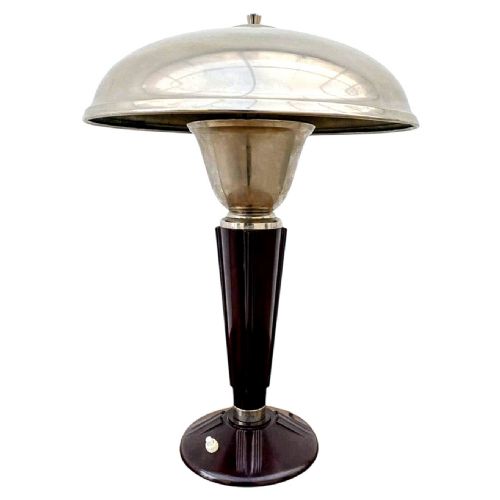
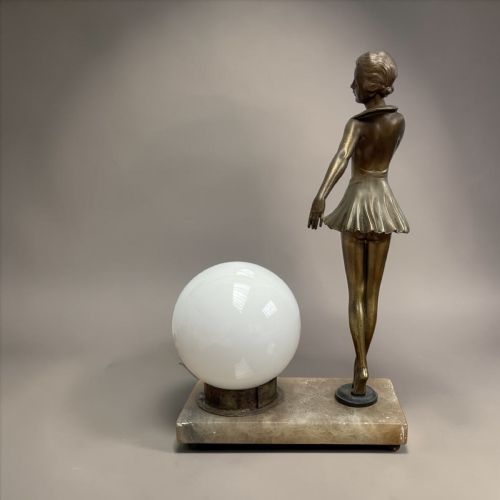
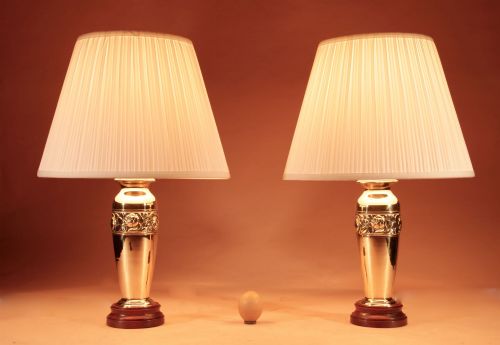
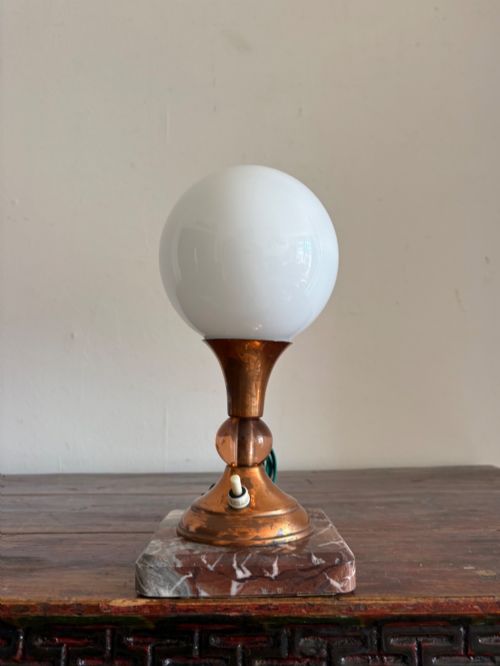
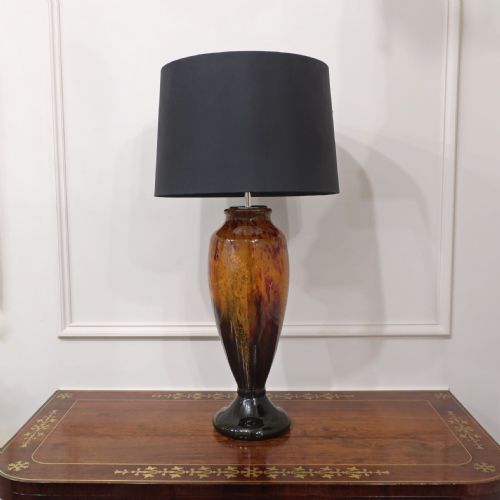
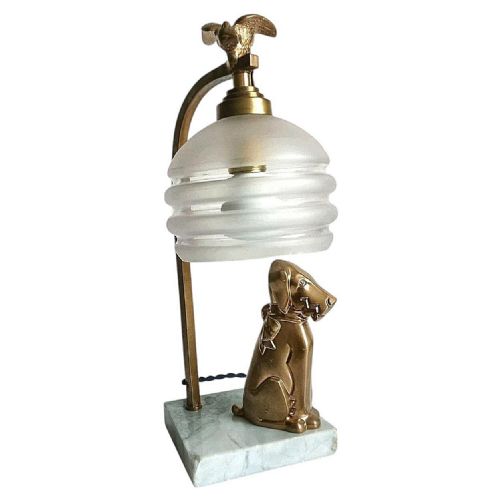
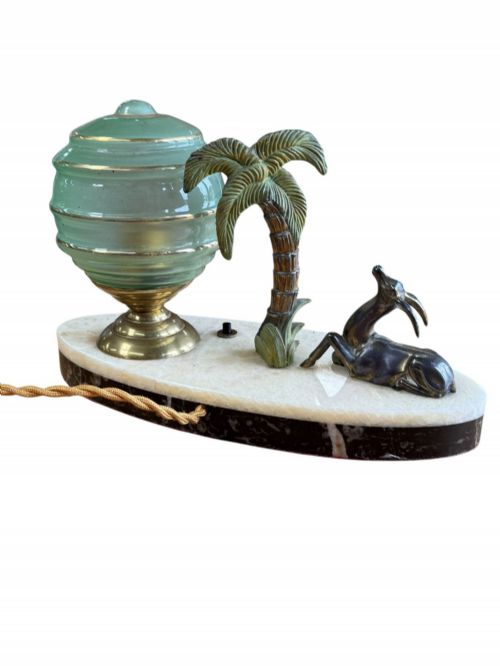
The selection on this page demonstrates various forms, ranging from adjustable chrome desk fixtures to figural mood lighting and compact night lights. Table lamps and desk lamps dominate the available inventory.
Many examples incorporate animal figures or geometric bases, reflecting the popular French design motifs of the era. Buyers frequently find pieces pairing utilitarian metals with decorative glass shades.
Materials and construction methods
Maker workshops utilised a combination of heavy stone and metal bases to support the lighting fixtures securely. Marble, granite, and cast spelter provide stability for upright standards and figural sculptures.
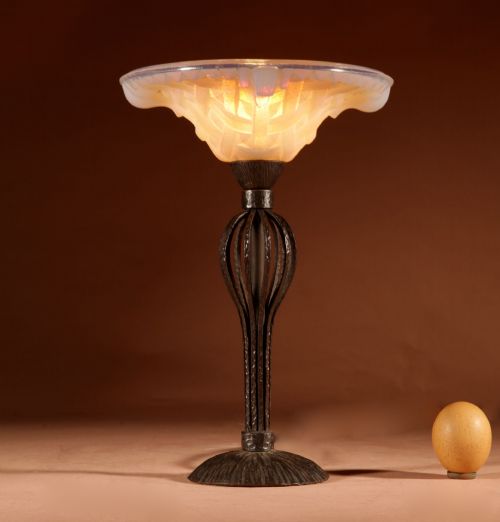
Shades and body components incorporate specialised glass techniques, featuring frosted, opaline, mottled, and opalescent finishes. Metalwork spans polished chrome, brass, nickel, copper, and wrought iron frameworks.
Early synthetic polymers like bakelite appear frequently on switches, bases, and structural elements of adjustable task models. Wrought iron and bronze are shaped to hold delicate glass shades securely in place.
Listings demonstrate a strong presence of Art Deco styling, with glass, marble, and chrome acting as the primary materials across the inventory.
Distinguishing quality across the range
The refinement of the casting and the weight of the base materials set individual pieces apart. Solid marble or granite foundations provide a superior heft compared to lighter structural elements.
The artistic merit of the associated shade dictates the standing of a lamp. Signed glasswork and detailed figural castings by known designers represent the upper tier of execution.
Complexity of movement in adjustable frames and the integration of diverse materials like bakelite with chrome indicate thoughtful manufacturing standards.
Eileen Grey·Charles Schneider·Lacroix Lalique·Daum·Muller Bros·Degue·Pirouette·P Sega·Jumo
The 1930s French Desk Light Glossary
- Spelter
- A zinc alloy commonly used for casting decorative figures and bases during the period. It takes patination well and mimics heavier bronzes.
- Opaline glass
- A milky, semi-translucent glass that diffuses light evenly across a workspace. It appears frequently in period shades.
- Bakelite
- An early form of plastic utilised for electrical components and structural details. Its dark lustre defines industrial pieces from the era.
- Art Deco
- The dominant design style of the interwar period characterised by streamlined geometry and stylised motifs. It unifies the aesthetic of these desk lights.
1930s French Desk Light: Frequently Asked Questions
How do I identify a 1930s French desk light?
Look for characteristic materials like heavy marble bases, chrome framing, and opaline or frosted glass shades. The overarching style follows geometric Art Deco lines.
Check for maker signatures etched into the glass or stamped onto the metalwork. Adjustability mechanisms and the use of early plastics such as bakelite also point directly to this manufacturing era.
Were these lights used for writing or display?
Many adjustable chrome and bakelite pieces functioned as practical task lighting for writing desks and offices. Other variants served as ambient lighting.
Figural lamps featuring animals, pierrots, or decorative glass acted primarily as mood lighting or night lights. These illuminated spaces softly rather than casting direct beams for work.
What metals are common on these lamps?
Brass, chrome, nickel, copper, and wrought iron appear frequently across the structural frames. These metals were chosen for both durability and their decorative finish.
Wrought iron often secures delicate art glass shades, while chrome and nickel provide a bright, reflective surface suited to adjustable desk arms.
How should I integrate one into a modern room?
Place an adjustable model on a workspace or side table to combine functional illumination with period character. Their compact footprints suit contemporary surfaces easily.
Pair figural night lights with bookshelves or low tables where their ambient glow can be appreciated. The neutral tones of marble and metal blend naturally with contemporary interiors.