


Cream Art Deco Lighting
Cream art deco lighting pieces combine geometric form with soft, pale tones, offering functional illumination and period character.
Cream Art Deco Lighting
Cream art deco lighting encompasses functional fittings and lamps designed during the early twentieth century. These objects include table lamps, wall lights, pendant lights, ceiling lights, and standard floor lamps originating from the nineteen-twenties, nineteen-thirty and nineteen-forty decades.
The aesthetic relies heavily on the art deco style, alongside related design movements such as Swedish art deco and art nouveau. Pieces frequently integrate neutral or pale cream tones through the use of specific materials like glass, alabaster, ceramic, and marble.
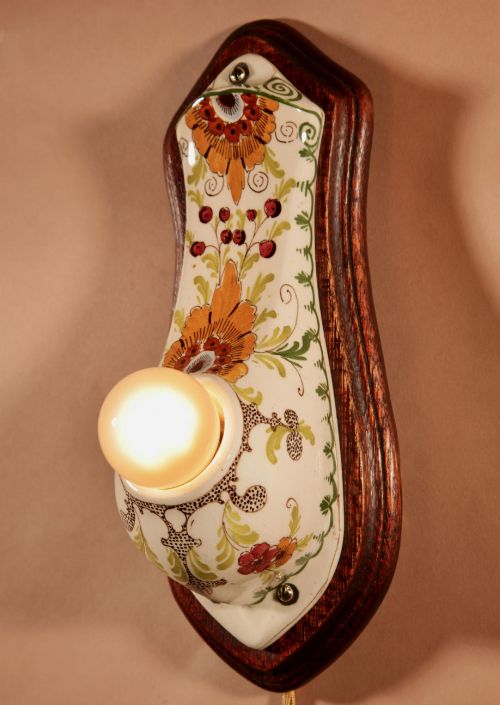
Buyers seeking cream art deco lighting will encounter items ranging from small night lights and desk lamps to large hanging pendant fixtures. The selection reflects diverse international origins, including French, Dutch, Italian, and British workshops.
Materials and construction
Makers utilised a diverse palette of materials to achieve the distinct visual qualities of the period. Glass, metal, fabric, ceramic, brass, alabaster, bronze, and marble form the primary structural and decorative components across the surviving items.
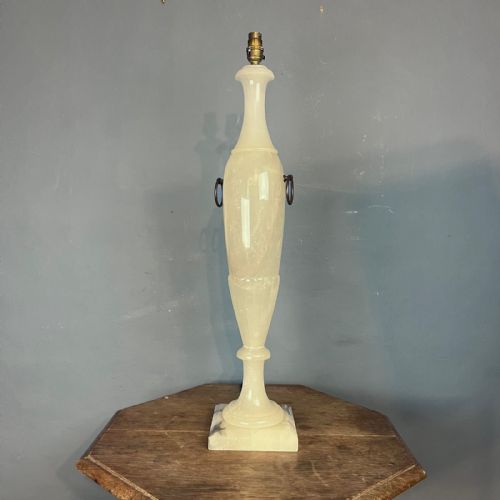
Early synthetic plastics such as bakelite, catalin phenolic, and modern variants appear in specific desk and table lamp designs. Natural stones including alabaster, onyx, and marble provide weighty bases and translucent lamp bodies.
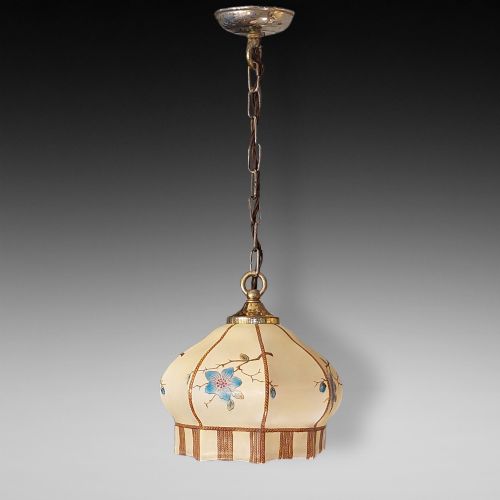
Surface decoration involves hand painted glass shades, bronze figural elements, and fine wood veneers like satin birch and burr maple on associated furniture pieces. Metalwork incorporates bronze and brass to construct frames, mounts, and fittings.
Listings span four distinct decades: nineteen-ten, nineteen-twenty, nineteen-thirty, and nineteen-forty.
Assessing quality
Quality in these lighting pieces depends upon the precision of manufacture and the selection of materials. The use of solid carved alabaster or heavy cast bronze distinguishes superior examples from standard production items.
The refinement of surface decoration, such as hand painted details on glass shades or ceramic bodies, dictates the artistic merit of the piece. The choice of specialised plastics, such as catalin phenolic alongside traditional metals, affects both durability and visual depth.
Eileen Grey·Heals·Denby Ware
The Cream Art Deco Lighting Glossary
- Alabaster
- A fine-grained mineral often carved into translucent bowls and lamp bodies. This material diffuses light softly while providing a dense, heavy structure.
- Art Deco
- A design style emerging in the nineteen-twenties characterised by sleek geometric shapes, streamlined forms, and modern industrial materials. It dominated international decorative arts through the nineteen-thirties.
- Bakelite
- An early form of thermosetting plastic utilised extensively for electrical fittings, desk lamps, and decorative objects during the interwar period. It offers a smooth finish and distinct colour depth.
- Catalin
- A cast phenolic formaldehyde resin developed in the nineteen-thirties that yields vibrant colours and translucent qualities. It remains highly prized by collectors of period plastics.
- Pendant Light
- A light fixture suspended from the ceiling by a cord, chain, or metal rod. These fittings project illumination downward into the living space.
Cream Art Deco Lighting: Frequently Asked Questions
What materials make up cream art deco lighting?
These pieces utilise glass, metal, fabric, ceramic, brass, alabaster, bronze, and marble. Synthetic materials like bakelite and catalin phenolic also appear frequently in lamp bodies.
Natural stones provide translucent qualities for shades and solid weight for bases, while hand painted glass introduces distinct surface decoration.
How do I identify a nineteen-twenties lamp?
Nineteen-twenties lighting often displays early art deco or art nouveau geometric motifs combined with hand painted glass or alabaster. The designs reflect the initial emergence of streamlined industrial modernism.
Construction frequently employs brass, bronze, and early plastics alongside traditional ceramic and glass manufacturing techniques.
Where were these light fittings made?
Surviving examples originate from various European countries, including France, Italy, Britain, and the Netherlands. Different regions favoured specific materials, such as alabaster in Italy and specialised ceramics in Dutch workshops.
Maker attributions range from major department stores to dedicated potteries and individual designers working during the interwar decades.
How do table lamps differ from pendants?
Table lamps sit on surfaces like desks or sideboards and typically feature local switch mechanisms and decorative shades. Pendant lights suspend directly from the ceiling to illuminate an entire room or specific area below.
Both categories incorporate period materials like onyx, alabaster, and glass to control and diffuse the light output.