



Vintage Mushroom Desk Light
These vintage mushroom desk light examples combine functional illumination with distinct early twentieth century design, offering practical charm for any interior.
Vintage Mushroom Desk Light
When you search for a vintage mushroom desk light, you encounter distinctive table and desk lamps spanning the early decades of the twentieth century. The selection ranges from Edwardian and Art Nouveau creations to robust Art Deco pieces.
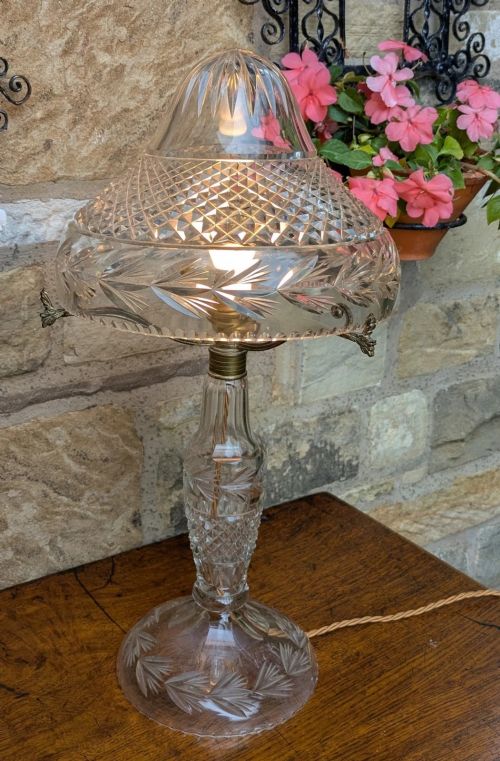
You are most likely to meet cut glass crystal table lamps and metal designs from the nineteen thirties on this page. These pieces often utilise twin bulb configurations and shaped glass shades that resemble the cap of a mushroom.
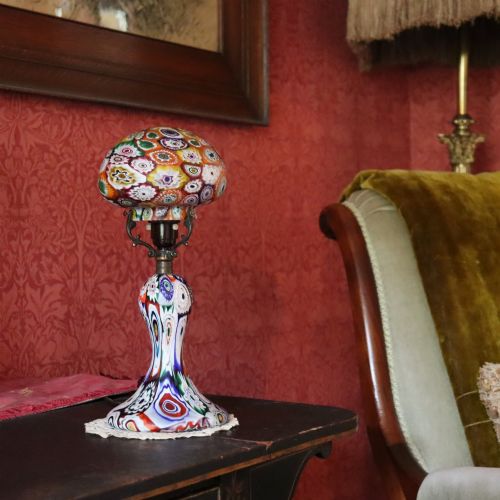
Origins span British makers like Stuart Crystal alongside continental examples from France and Italy. Forms vary from simple metal shades to elaborate millefiori glass and bronze structures.
How they were made
Construction relies heavily on heavy cut glass, lead crystal, and moulded bakelite shaped into rounded shades. Metal components incorporate brass, chrome, and bronze to form the supportive bases and stems.
Artisans applied specialist techniques including glass cutting and millefiori work to achieve intricate surface patterns. Bronze frames frequently incorporate decorative glass cabochons set directly into the metalwork.
Vintage Mushroom Desk Light Retail Price Guide 2026
Typical asking prices for vintage mushroom desk light among the pieces listed under this phrase on Sellingantiques today, from the lower quarter to the upper quarter. They describe what is for sale here now, not the wider market.
Materials documented across the inventory include brass, glass, cut glass, metal, lead crystal, bakelite, chrome, and millefiori glass.
What varies in quality
Quality separates simple production items from exceptional studio pieces through the depth of glass cutting and the weight of the metal. Heavier crystal displays sharper facets and greater light refraction.
The choice of primary material dictates the overall character, ranging from smooth moulded bakelite to complex multi-layered millefiori glass. Superior examples integrate electrical fittings seamlessly into the bronze or brass structure without compromising the silhouette.
Fratelli Toso·Eileen Grey·Stuart Crystal
The Vintage Mushroom Desk Light Glossary
- Millefiori Glass
- A glasswork technique involving multicoloured glass canes fused together to create patterned cross-sections. This method appears on Italian studio pieces from the nineteen thirties.
- Bakelite
- An early synthetic thermosetting plastic popular during the Art Deco period. It provides a durable, glossy black or coloured finish for lamp bases.
- Lead Crystal
- Glass manufactured with lead oxide to increase brilliance and weight. It allows for deep, sharp facet cutting on lamp shades.
- Cabochon
- A gemstone or piece of glass shaped and polished rather than faceted. These decorative rounded elements adorn Art Nouveau bronze frames.
Vintage Mushroom Desk Light: Frequently Asked Questions
What is a vintage mushroom desk light?
A vintage mushroom desk light is a table or desk lamp featuring a rounded, cap-shaped shade reminiscent of a mushroom. These items date from periods including Art Nouveau and Art Deco.
They utilise materials such as cut crystal, brass, bakelite, and bronze to provide both ambient illumination and decorative presence.
How were these lamps used originally?
These lamps functioned primarily as task lighting on writing desks or as decorative illumination on side tables in domestic interiors. Their low profiles directed light downwards onto surfaces.
Twin bulb configurations provided increased brightness for reading and working spaces during the early twentieth century.
How do I date a mushroom lamp?
Dating relies on identifying stylistic markers associated with specific periods like the nineteen tens, twenties, or thirties. Art Deco pieces often feature bakelite, while Art Nouveau examples use bronze and cabochons.
Maker attributions and specific glass-cutting techniques also help establish the approximate decade of manufacture.
Are these lamps suitable for daily use?
These pieces integrate well into modern interiors when fitted with appropriate contemporary wiring and bulbs. Their sturdy metal and glass construction suits placement on side tables and desks.
Collectors often place them where their distinct glass shades and metal bases remain visible as decorative objects.