





1930s Etching
A 1930s etching delivers striking linear precision and modernist graphic energy that collectors pursue for interior display.
1930s Etching
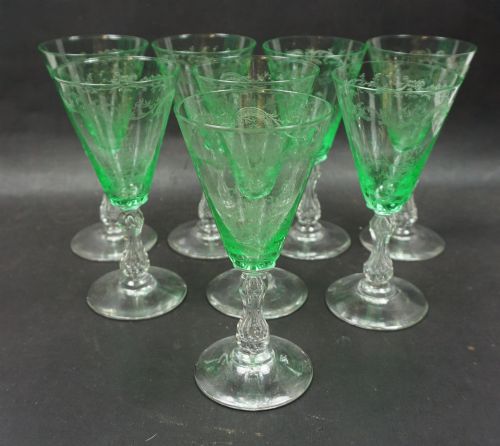
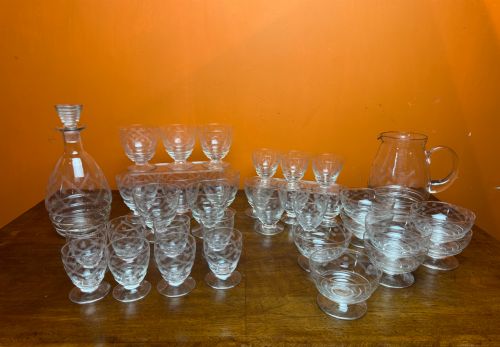
When searching for a 1930s etching, a buyer encounters works on paper alongside deeply etched glass vessels and mirrors from the period. The listings here primarily showcase decorative glass and mirrors alongside graphic prints.
These items originate predominantly from the 1930 and 1920 periods, carrying strong Art Deco and Surrealism influences. The selection bridges two-dimensional printmaking and three-dimensional etched glassware.
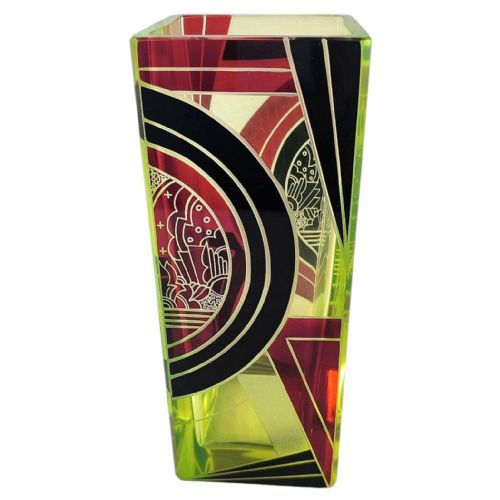
Examples range from framed prints by named artists to Czech glass vases and Venetian mirror plates. The overarching characteristic is the application of incised line work to create distinct visual depth.
Materials and construction
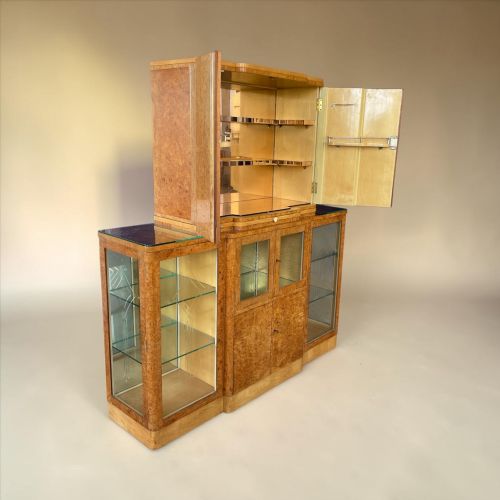
Makers utilised clear and coloured glass, often combined with enamel, chrome, brass, and mirrored glass. The interaction between metal mounts and glass surfaces defines the physical structure of these pieces.
Glass is deeply etched, acid-etched, or engraved with geometric and figurative motifs. Printmakers applied ink to plates to produce sharp linear impressions on paper.
The integration of brass and chrome framework supports heavy glass plates and vases. Enamel decoration adds colouration directly onto the acid-treated glass surfaces.
1930s Etching Retail Price Guide 2026
Typical asking prices for 1930s etching among the pieces listed under this phrase on Sellingantiques today, from the lower quarter to the upper quarter. They describe what is for sale here now, not the wider market.
Listings feature glass, enamel, chrome, wood, and brass across Art Deco, Surrealist, and Venetian styles.
Assessing craftsmanship and execution
Quality rests in the crispness of the line work and the depth of the biting on glass or metal plates. Superior execution shows confident control over the acid or engraving tool without blurring.
The harmony between materials dictates overall success, such as how cleanly enamel adheres to etched glass or how well brass mounts fit mirror plates. Balanced proportions elevate standard decorative objects into distinguished examples.
Attribution to known designers and distinct regional styles separates standard production wares from pieces of higher distinction. The clarity of geometric motifs and preservation of original surfaces drive collector interest.
Karl Palda·Jean Luce·Rene Lalique·Daum·Kurt Lorein Victor Peiser
The 1930s Etching Glossary
- Etching
- A printmaking or glass-cutting technique where acid bites into exposed metal or glass to create recessed lines. This process allows for intricate linear detail.
- Art Deco
- A design style characterised by sleek geometric shapes, streamlined forms, and stylised ornamentation. It dominates the aesthetic of this period.
- Enamel
- Opaque or translucent glass paste applied to surfaces and fired for colour. It frequently highlights etched patterns on glassware.
- Surrealism
- An avant-garde movement focusing on the subconscious and fantastical imagery. Works in this style break from traditional representation.
- Bevelled plate
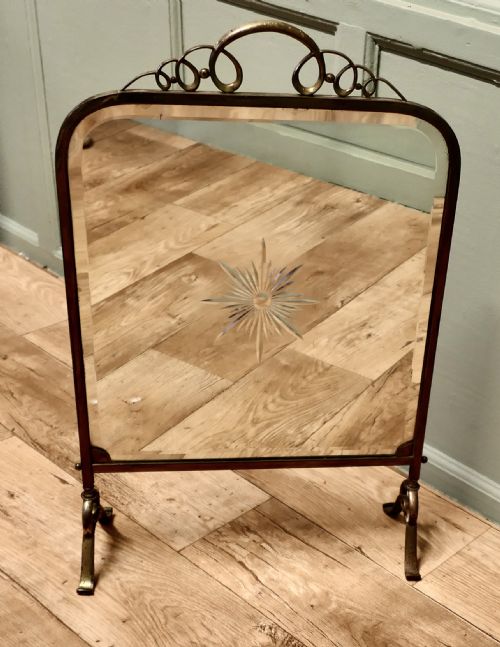
- Mirror glass with angled, polished edges designed to catch the light. This treatment adds dimension to wall mirrors and fire screens.
1930s Etching: Frequently Asked Questions
What defines a 1930s etching?
These pieces comprise both printed works on paper and deeply incised glass surfaces created during the interwar period. The technique relies on acid or tools to cut precise lines into the medium.
Art Deco geometry and Surrealist compositions frequently shape the visual language of these works. Collectors value the distinct contrast and texture achieved through this method.
How do I identify glass versus paper works?
Listings under this search encompass tactile glass vases, perfume bottles, and mirrors alongside graphic prints on paper. Each medium utilises acid-biting or engraving principles adapted to the specific material.
Examining the object reveals whether the etching is sunk into heavy crystal glass or pressed into an inked sheet of paper. Both forms share the characteristic linear precision of the era.
Where were these pieces made?
Origin points span France, Czechoslovakia, Italy, and England during the height of the Art Deco movement. Regional workshops specialised in either printed graphics or luxury glass production.
Czech glassworks and Venetian mirror makers contributed significantly to the etched glassware available. French studios produced both notable prints and luxury tablewares.
How do I display these items?
Glass vases and decanter sets benefit from placement near light sources to accentuate the etched and enamelled patterns. Wall mirrors and fire screens anchor a room while reflecting natural light.
Framed prints require UV-protective glass to preserve the paper and ink over time. Pairing glass objects with metal furnishings complements their original period context.