



1930s Drawing Art
These 1930s drawing art pieces capture the distinctive graphic energy of the interwar years, offering buyers original works on paper ready to frame.
1930s Drawing Art
When you search for 1930s drawing art, you encounter a varied selection of original works on paper, framed drawings, and pastel paintings produced during the 1920s and 1930s. The common thread across these works is their creation during the interwar period, spanning British pastoral scenes, French Art Deco portraits, and expressionist compositions.
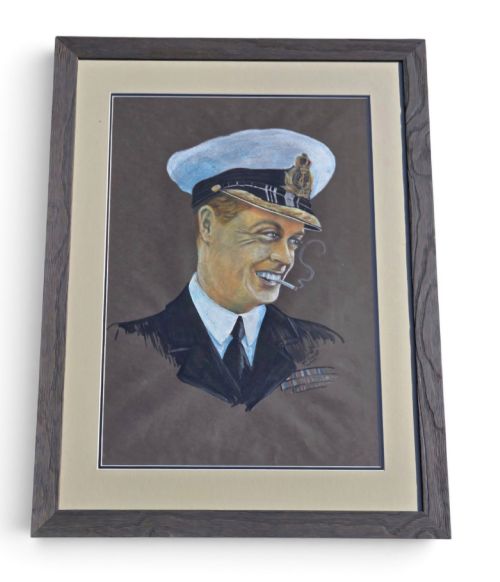
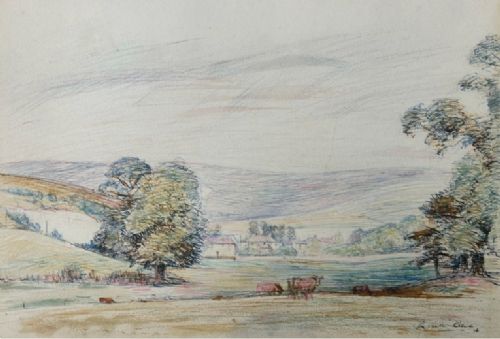
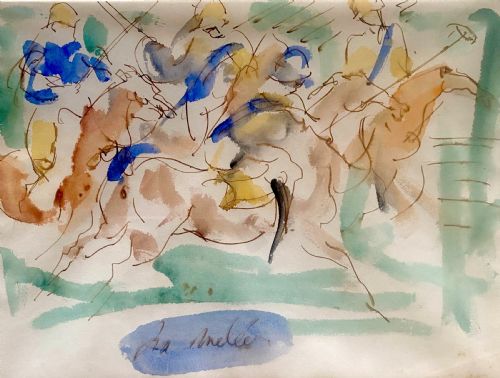
You are most likely to meet framed portraits, landscape watercolours, and ink studies on this page. These pieces range from intimate sketches of dancers and rural farm buildings to large presentation pastels of royal figures and equestrian subjects.
The regional origins of these works are diverse, encompassing English, French, and Spanish hands working in distinct local idioms. Whether an artist is recording a southern French lake or a Yorkshire farm, the output reflects the varied modernist currents of the decade.
Materials and techniques
The works rely primarily on paper supports, utilising graphite, pastel, ink, and watercolour as the core media for mark-making. Artists applied coloured inks, chalk, and watercolours either singly or in combination, occasionally working on board rather than standard paper sheets.
Framing and mounting materials such as wood complement the fragile paper supports, helping to preserve these works on paper over the decades. Ink line drawings often employ two-coloured applications to define form, while pastels achieve texture through layered pigment on board or paper.
1930s Drawing Art Retail Price Guide 2026
Typical asking prices for 1930s drawing art among the pieces listed under this phrase on Sellingantiques today, from the lower quarter to the upper quarter. They describe what is for sale here now, not the wider market.
Listings feature works created across the 1920s and 1930s, utilising paper, glass, ink, pastel, wood, graphite, watercolour, and chalk.
Factors that define quality
Quality in these works on paper rests upon the surety of the line and the expressive capture of the subject, whether in a dynamic equestrian scene or a detailed portrait. Strong draughtsmanship distinguishes accomplished interwar compositions from ordinary sketches.
The integrity of the medium and the preservation of the paper surface influence the overall standing of a piece. Works retaining their original vibrancy in pastel or ink without heavy fading or deterioration stand higher in the range.
Herskind·Russell Sidney Reeves·Lucien Gibert·Andrè Maurice·Henry Bird·Fred Lawson
The 1930s Drawing Art Glossary
- Works on Paper
- A category encompassing any artwork executed on paper, including drawings, watercolours, prints, and pastels. These items require careful framing behind glass to protect the delicate surface from moisture and light.
- Pastel
- A medium consisting of powdered pigment combined with a binder and pressed into sticks. Pastels produce velvety, rich colour blocks but remain fragile and vulnerable to smudging if unglazed.
- Art Deco
- The dominant design style of the 1920s and 1930s characterised by sleek geometric shapes, stylized figures, and streamlined elegance. In drawing, it manifests in clean contours and dramatic character studies.
- Expressionism
- An artistic style where the artist seeks to depict subjective emotions rather than objective reality. Works in this manner use bold brushwork and non-naturalistic colour to convey mood.
- Provenance
- The documented history of ownership of an artwork, establishing its authenticity and previous context. Good provenance often connects a piece to specific exhibitions, collections, or presentation events.
1930s Drawing Art: Frequently Asked Questions
What defines 1930s drawing art?
These works comprise original watercolours, ink sketches, and pastels produced during the interwar decades by British and European artists. They reflect the stylistic shifts of the period, moving between traditional pastoral views and modernist character studies.
Buyers find everything from rapid landscape studies to finished exhibition portraits created on paper or board.
How should I display works on paper?
Works on paper require framing behind protective glass to shield the delicate pigments and support from dust and handling damage. Acid-free mounts prevent chemical degradation of the paper over time.
Keep these framed pieces away from direct sunlight to prevent the fading of watercolours, inks, and pastels.
How do I identify Art Deco drawings?
Art Deco drawings typically feature stylized human forms, clean contour lines, and a sense of theatrical movement. Subjects often include dancers, fashionable figures, and portraits with striking gazes.
Compositional symmetry and a focus on decorative elegance further signal the aesthetic of the period.
Are these drawings signed by the artists?
Many of the pieces carry artist signatures, exhibition labels, or contemporary documentation linking them to known interwar creators. Signed works frequently emerge from established artists working within British and continental circles.
Unsigned pieces rely on stylistic attribution, technique, and period materials to establish their origin.