
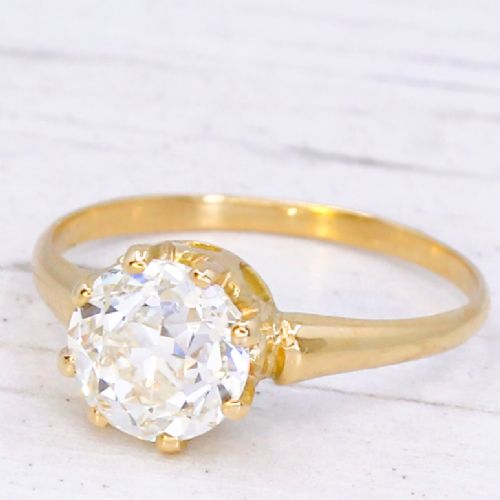

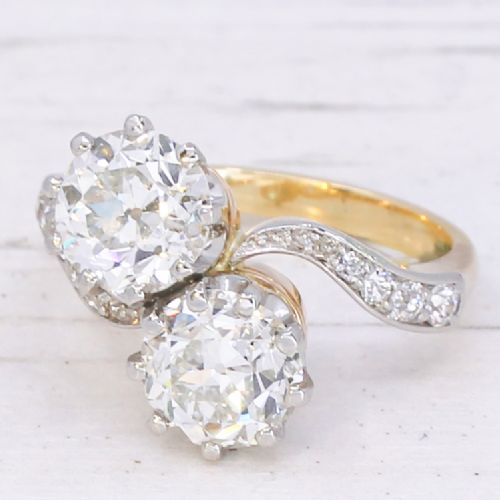


1930s Diamond Ring Set
A 1930s diamond ring set captures the geometric elegance and enduring charm of the interwar period for modern wearers.
1930s Diamond Ring Set
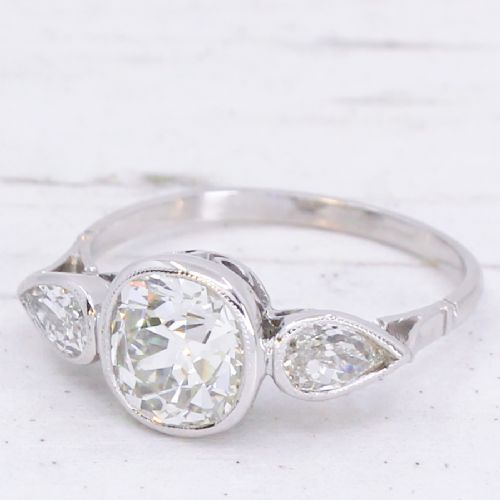
A 1930s diamond ring set brings together the distinctive geometric language of the Art Deco period with precious metals and hand-cut stones. These pieces range from delicate solitaires and multi-stone engagement designs to complete matching jewellery sets.
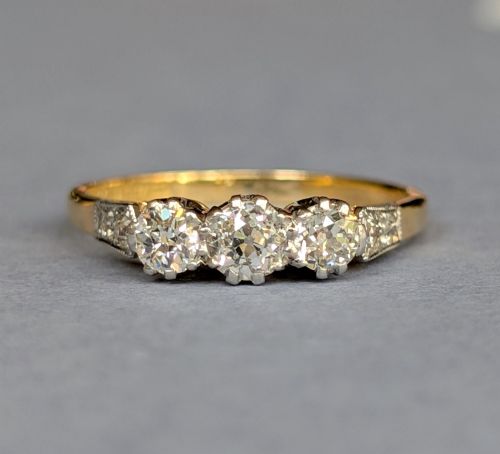
Solitaires, three-stone configurations, and continuous eternity bands dominate the selection. Buyers frequently encounter rings featuring old cut diamonds paired with sapphires, rubies, or emeralds in structured mountings.
Originating predominantly from the 1920s through to 1940, these items reflect the transitional shift from intricate Edwardian filigree towards bolder, streamlined architectural motifs.
Platinum, Gold, and Hand-Cut Stones
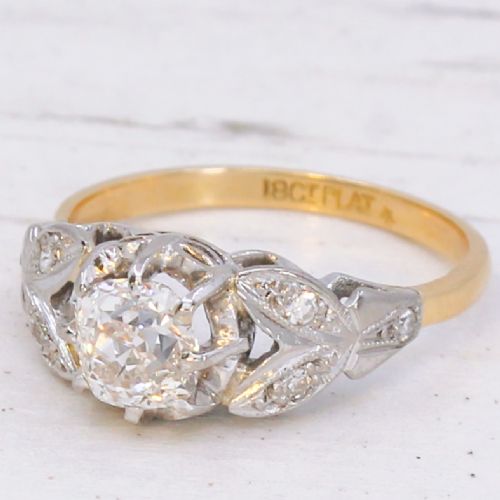
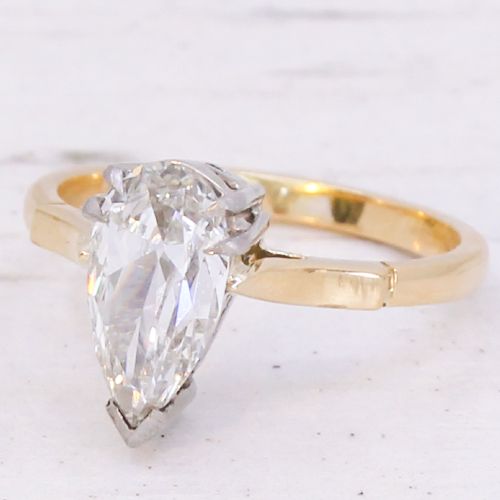
Craftsmen of the era relied heavily on platinum to mount diamonds securely while minimising visible metal, often combining it with yellow, white, or standard 18ct gold bands. This dual-metal technique allowed workshops to leverage platinum's strength for intricate claw and pave settings alongside warmer gold shanks.
The stones themselves were shaped by hand, resulting in old European cuts, old cushion cuts, and old pear cuts that display broader facets and softer light dispersion than modern brilliant cuts.
Several rings conceal tiny star illusion settings designed to make modest diamonds look twice their size.
Distinguishing Grades of Period Craftsmanship
The distinction between standard commercial pieces and exceptional examples rests upon the precision of the metalwork and the uniformity of the set stones. Superior pieces exhibit crisp geometric symmetry in their platinum settings without excess solder or thinning prongs.
Additionally, the individual carat weight, clarity, and matching of the central diamonds against surrounding calibré-cut sapphires or rubies dictate the overall standing of the ring within its period.
The 1930s Diamond Ring Set Glossary
- Old European cut
- A round diamond cut popular in the late nineteenth and early twentieth centuries featuring a small table, high crown, and large culet facet. This cut produces a deep, candlelit sparkle rather than the sharp brilliance of modern stones.
- Toi et Moi
- A French term meaning you and me, describing a ring featuring two main gemstones set side by side to symbolise two souls entwined. This style gained significant popularity during the early decades of the twentieth century.
- Eternity ring
- A band of precious metal set continuously with identical gemstones symbolising endless love. Versions from this era typically utilise platinum channels or shared claws.
- Calibré cut
- Small gemstones precisely cut into uniform geometric shapes such as squares, rectangles, or triangles to fit tightly together within a specific mounting. Master jewellers used this technique to create vibrant borders around central diamonds.
- Pavé
- A setting style where the surface of the jewellery is paved with small diamonds held closely together by tiny shared metal beads. This method creates the illusion of an unbroken field of sparkle.
1930s Diamond Ring Set: Frequently Asked Questions
How do I identify a genuine 1930s diamond ring?
Examine the cut of the diamonds and the construction of the setting under magnification. Authentic pieces from this decade commonly feature hand-cut old European or old cushion stones housed in platinum-topped gold mountings with distinct geometric motifs.
Look closely for hallmarks and signs of period hand-working, which distinguish interwar items from later modern reproductions or retrofitted designs.
Can I wear an antique eternity ring every day?
Many people wear these antique bands daily, provided the setting is checked regularly by a professional jeweller. Platinum offers robust durability for daily wear, though older shared-claw or channel settings require periodic inspection to ensure stones remain secure.
Consider removing the ring during heavy manual tasks or physical exercise to protect the delicate platinum prongs and older diamond facets from unexpected impact.
What is the difference between an engagement ring and a jewellery set?
An engagement ring is designed as a standalone piece featuring a primary focal stone, such as a solitaire or a three-stone configuration. A jewellery set incorporates matching elements, often pairing a ring with complementary pieces like earrings or brooches sharing identical materials and motifs.
Both categories frequently utilise platinum settings on gold bands, reflecting the cohesive design aesthetics typical of the interwar decades.
Are old cut diamonds different from modern diamonds?
Old cut diamonds possess smaller tables, higher crowns, and larger culets compared to modern brilliant cuts. These geometric proportions were shaped entirely by hand to maximise charm under ambient lighting conditions rather than harsh electrical illumination.
As a result, historical diamonds display a distinctive pattern of soft, deep light reflection that collectors prize for its authentic period character.