




1930s Compactum Cupboard
A 1930s compactum cupboard offers ingenious storage designed for the inter-war home, combining hanging space and drawers in one neat footprint.
1930s Compactum Cupboard
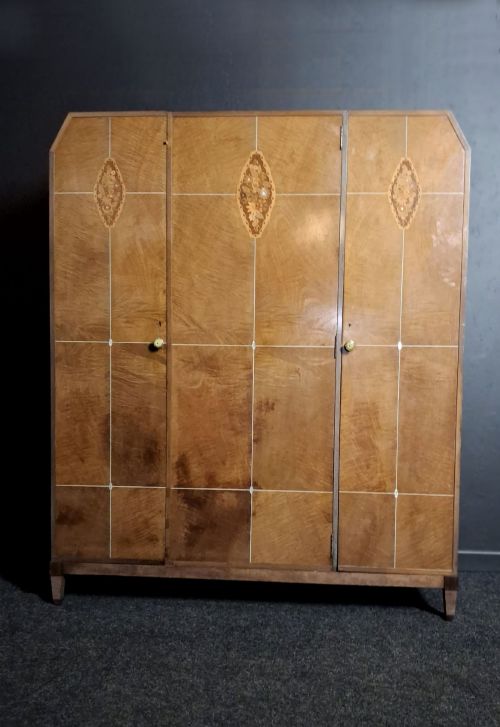
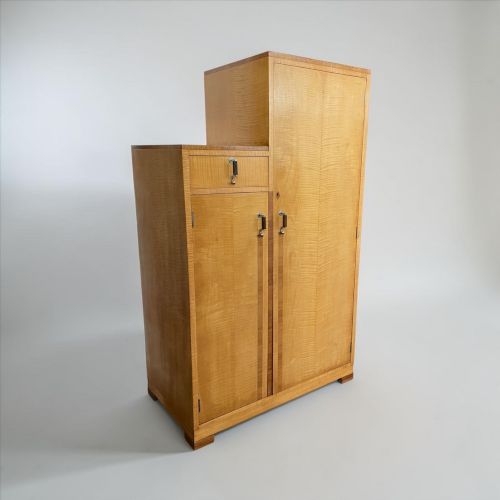
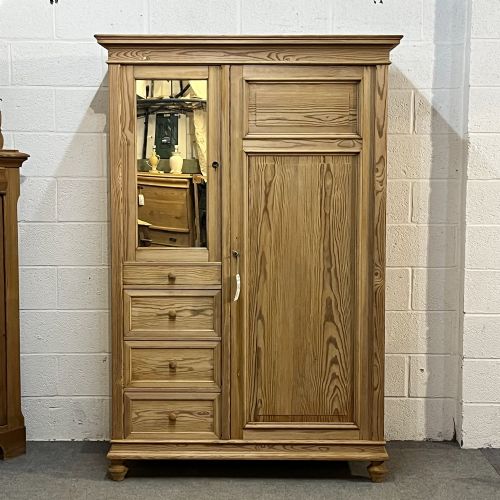
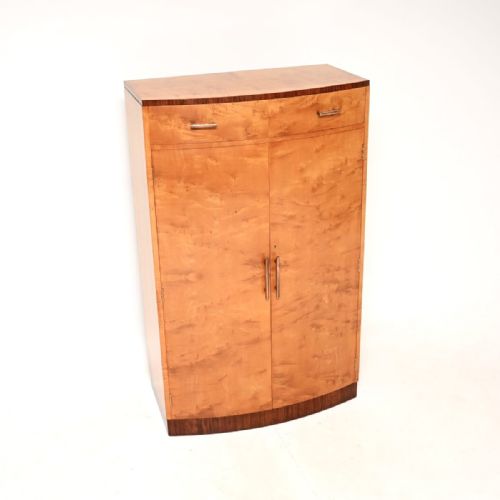
A 1930s compactum cupboard represents the zenith of inter-war bedroom storage, combining the functions of a wardrobe and a chest of drawers within a single fitted carcass. These pieces originate predominantly from the 1930 period, though examples extend into 1940, and they span both the Art Deco style and 1930s Country aesthetics.
Buyers encountering this furniture on the page will frequently find compactum wardrobes, tallboys, and cabinets built to maximise interior space. The forms vary from large mirrored wardrobes with internal drawers to smaller tallboys and ladies compactums designed for specific domestic dressing requirements.
How they were made
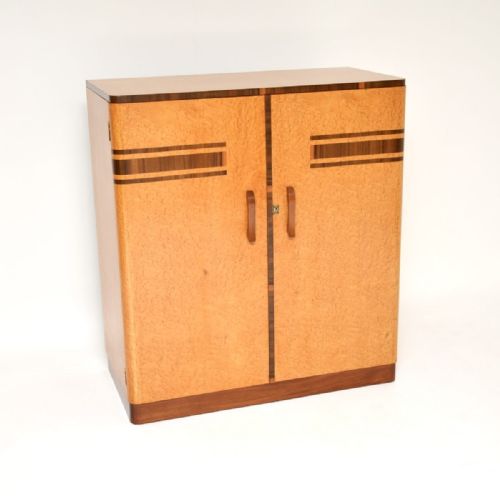
Cabinet makers constructed these pieces using a foundation of timber, applying decorative veneers such as walnut, burr walnut, birds eye maple veneer, satin birch, and pale mahogany to the exterior surfaces. This technique allowed workshops to display striking wood grain patterns across the main body and drawer fronts.
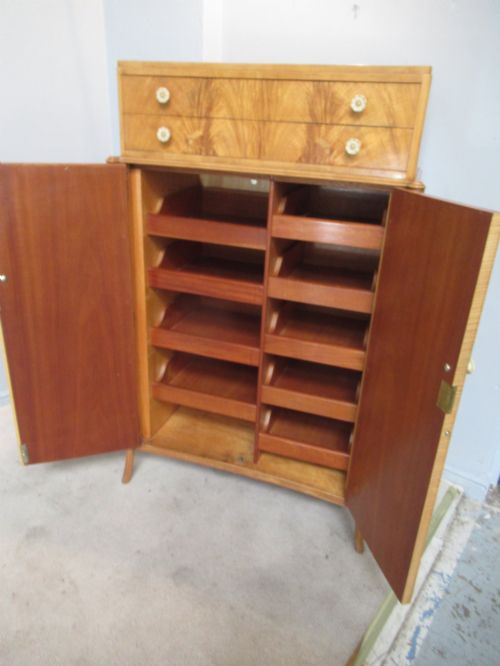
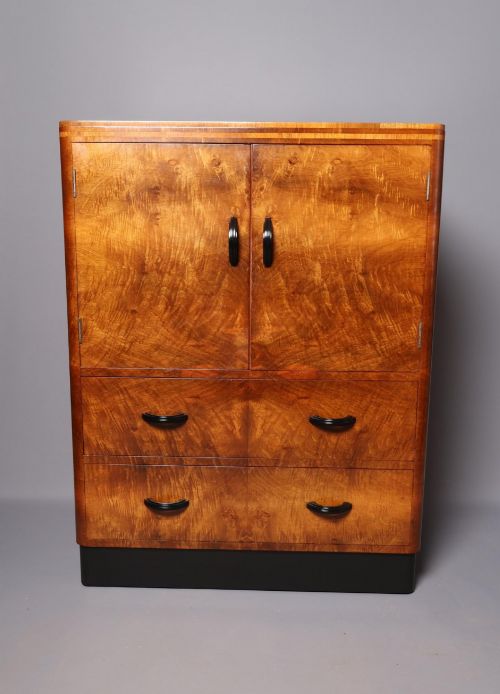
Functional hardware played a key role in construction, with brass fittings and occasionally bakelite details completing the doors and drawers. Internal compartments were carefully divided to house hanging garments alongside stacked drawer storage.
1930s Compactum Cupboard Retail Price Guide 2026
Typical asking prices for 1930s compactum cupboard among the pieces listed under this phrase on Sellingantiques today, from the lower quarter to the upper quarter. They describe what is for sale here now, not the wider market.
Several pieces incorporate bakelite handles, letting early plastics rub shoulders with traditional burr walnut.
What varies in quality
Quality in these pieces rests primarily on the choice of surface timber and the boldness of the veneer selection, where striking burr walnut or birds eye maple commands attention. The execution of the Art Deco geometry and the integration of internal compartments also distinguish standard production from finer work.
The choice of secondary woods and the precision of the brass or bakelite hardware further separate standard domestic items from superior examples. Cabinets bearing maker attributions demonstrate finer joinery in the execution of their fitted interiors.
Heal's
The 1930s Compactum Cupboard Glossary
- Compactum
- A multi-functional wardrobe featuring a combination of hanging space, shelves, and internal drawers within one unit. This form was designed to provide complete bedroom storage in a restricted footprint.
- Birds Eye Maple
- A figured timber veneer showing small, circular disruptions in the grain resembling tiny birds eyes. It was favoured by cabinet makers for creating pale, decorative surfaces.
- Burr Walnut
- A highly prized wood veneer sourced from the growth deformations on walnut trees, yielding intricate, swirling patterns. It defines the luxurious appearance of many Art Deco pieces.
- Tallboy
- A case piece standing higher than a standard chest of drawers, often incorporating cupboards above or beside the drawer stack. It serves a similar vertical storage function to a compactum.
- Bakelite
- An early synthetic plastic utilised for handles and decorative trims during the period. Its deep colour and smooth finish complemented polished wood veneers.
1930s Compactum Cupboard: Frequently Asked Questions
What is a 1930s compactum cupboard?
A 1930s compactum cupboard is a fitted wardrobe that incorporates internal drawers, shelves, and hanging space into a single piece of furniture. It was designed to provide comprehensive bedroom storage without requiring multiple separate items.
Most examples seen on this page date from the Art Deco period and utilise decorative veneers like walnut or birds eye maple. They range from large mirrored wardrobes to smaller tallboys and ladies compactums.
How do I identify an Art Deco compactum?
Art Deco compactums are characterised by clean architectural lines, symmetrical wood grain patterns, and decorative veneers such as burr walnut or satin birch. They often feature stepped cornices and contrasting brass or bakelite handles.
The overall form prioritises geometric shapes and smooth, polished surfaces rather than applied historical ornamentation. Interior layouts are rationally organised to separate hanging garments from folded drawer storage.
Where should I place a tallboy in my home?
A tallboy offers substantial vertical storage with a relatively small floor footprint, making it ideal for bedrooms or dressing rooms with limited wall space. Its internal drawers and cupboard sections accommodate folded clothing and accessories efficiently.
Positioning the piece away from direct sunlight protects the delicate walnut or birds eye maple veneers from fading. Keeping it in a room with stable humidity preserves the underlying timber and veneer adhesion.
How do I care for wood veneers?
Caring for veneered furniture involves dusting with a soft, dry cloth and avoiding silicone-based polishes or excessive moisture. Maintaining stable room temperatures prevents the wood beneath from expanding and causing the veneer to lift.
Natural beeswax can be applied occasionally to nourish the polished surface of walnut or mahogany. Gentle handling of brass and bakelite hardware ensures the fittings remain secure within the timber carcass.
What is the difference between a compactum and a wardrobe?
A standard wardrobe provides primarily vertical hanging space behind doors, sometimes supplemented by a single drawer at the base. A compactum integrates dedicated drawer stacks and shelving directly alongside the hanging compartment.
This hybrid design makes compactums heavier and more internally complex than basic wardrobes. They reflect the inter-war shift towards fitted, multi-purpose domestic furniture.