




1930s Cocktail Glasses
These 1930s cocktail glasses bring unmistakable period charm to a home bar, offering the geometric flair collectors seek.
1930s Cocktail Glasses
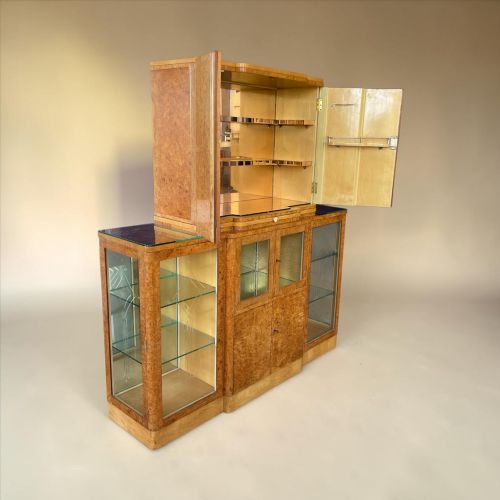
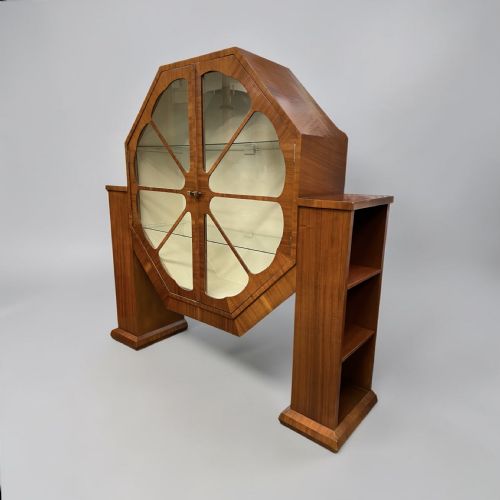
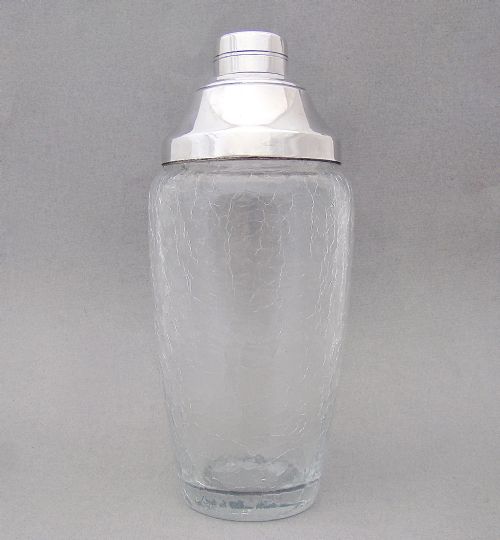
When searching for 1930s cocktail glasses, buyers encounter matching suites, decanter sets, and individual drinking vessels shaped by the dominant design movements of the era. These pieces frequently appear alongside complementary barware such as shaker sets, trays, and display cabinets.
The glassware on this page typically displays distinct Art Deco influences, ranging from French suites with engraved decoration to Czech glass sets and Venetian pieces. Forms vary from simple drinking vessels to comprehensive sets featuring matching jugs and decanters.
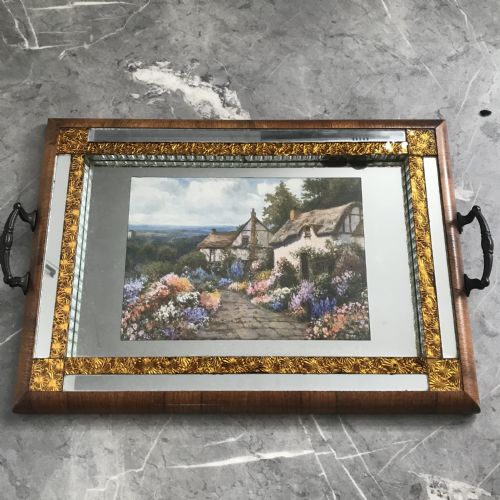
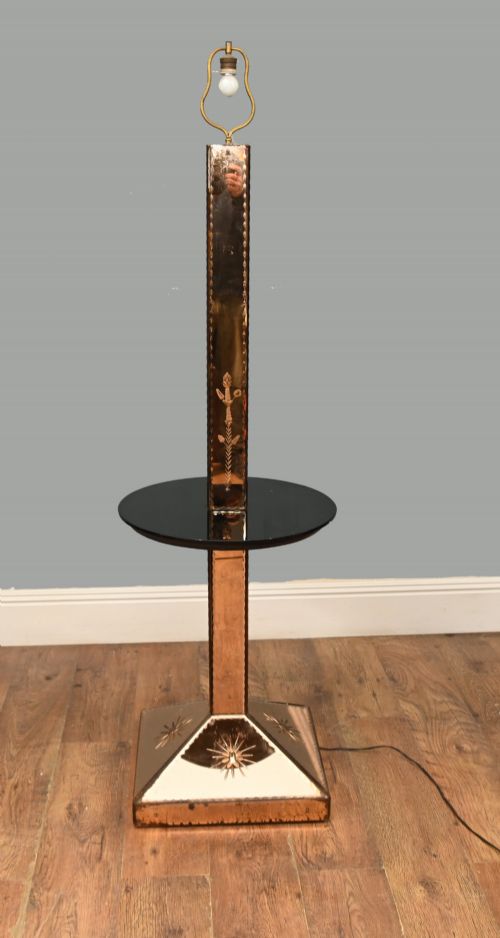
Origins span across Europe, including specialist manufacturers from France, Italy, and Czechoslovakia. Many of these vessels survive as part of larger drinking sets, accompanied by metal or mirrored trays that complete the period table setting.
Materials and production methods
Production relied heavily on clear and coloured glass, often shaped using mould-blowing or pressing techniques. Artisans then applied surface decoration through acid etching, enamel work, or fine wheel engraving to achieve the characteristic motifs of the period.
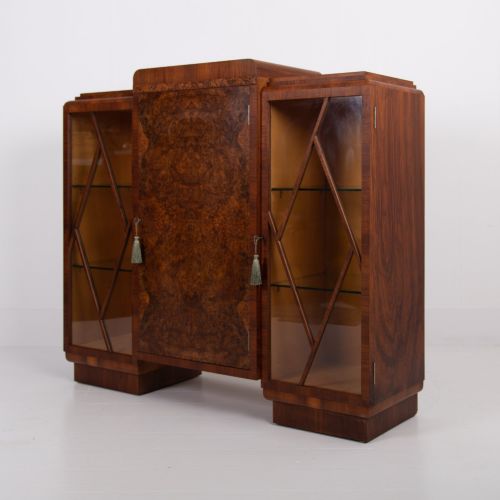
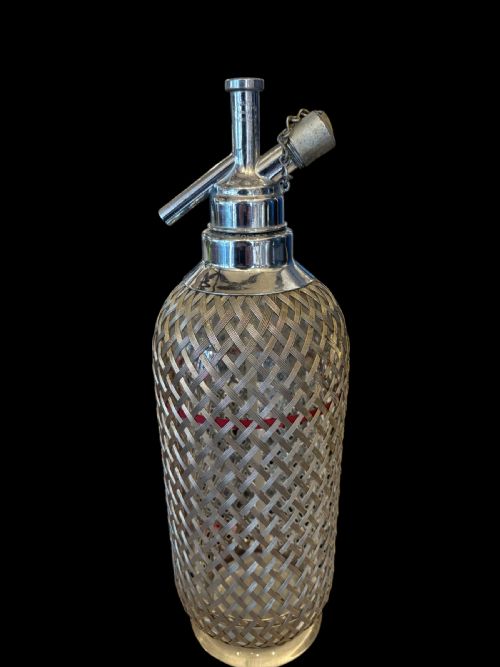
Complementary items integrate metals such as chrome, silver plate, and aluminium into the design. Wooden elements like walnut and burr walnut frequently appear in associated trays, trolleys, and cabinetry, combining structural timber with reflective glass surfaces.
1930s Cocktail Glasses Retail Price Guide 2026
Typical asking prices for 1930s cocktail glasses among the pieces listed under this phrase on Sellingantiques today, from the lower quarter to the upper quarter. They describe what is for sale here now, not the wider market.
Assessing quality in period barware
Quality rests upon the crispness of the glass engraving and the precision of any applied enamel or etched decoration. Superior sets maintain complete uniformity across all matching pieces, with consistent thickness and clarity in the glass.
The standard of secondary materials significantly influences the overall calibre of a set. Well-executed silver plating, solid chrome fittings, and properly fitted metal mounts indicate higher manufacturing origins.
Mosey·Riihimaki
The 1930s Cocktail Glasses Glossary
- Art Deco
- A design style characterised by sleek geometric shapes, stylised motifs, and modern industrial materials. It dominated decorative arts throughout the interwar period.
- Decanter set
- A matched ensemble comprising a serving vessel and a group of drinking glasses. These sets often sit upon a dedicated tray.
- Etched glass
- Glass decorated by applying acid to eat away exposed portions of the surface. This technique produces opaque white designs against clear glass.
- Silver plate
- A base metal coated with a thin layer of silver. It provided a bright, reflective finish for barware items during the period.
- Enamel
- A decorative vitreous substance fused to the surface of glass or metal through firing. It added vibrant colour to patterns and motifs.
1930s Cocktail Glasses: Frequently Asked Questions
Are complete sets difficult to find?
Matching suites often lose individual components over decades of use. Finding a complete set with all original glasses remains a notable discovery for collectors.
Partial collections still function effectively for entertaining while offering a tangible connection to period dining habits.
What materials accompany the glassware?
Items from this era frequently incorporate chrome, silver plate, and mirrored glass. Walnut veneer and copper also appear in associated serving trays and bar carts.
These combined materials reflect the modern industrial aesthetic popularised during the interwar years.
How should I display my collection?
Display these pieces on mirrored trays or within dedicated cabinets featuring glass shelving. Adequate lighting enhances the etched and enamelled details on the glass.
Positioning them away from direct sunlight protects coloured enamel decorations from fading over time.