


1930s Cluster Ring
A 1930s cluster ring brings geometric symmetry and vibrant gemstone contrast to the hand through distinct Art Deco craftsmanship.
1930s Cluster Ring
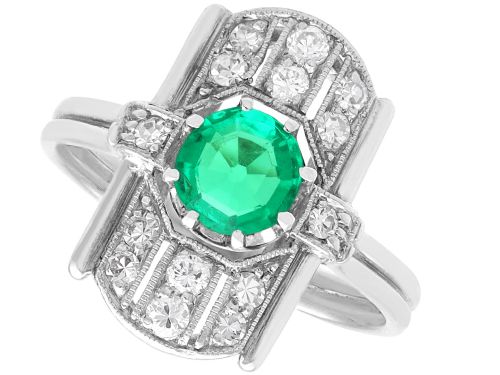
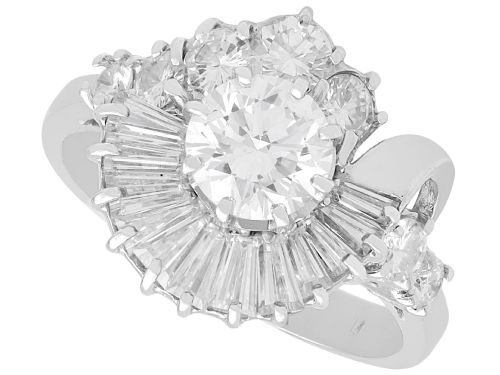
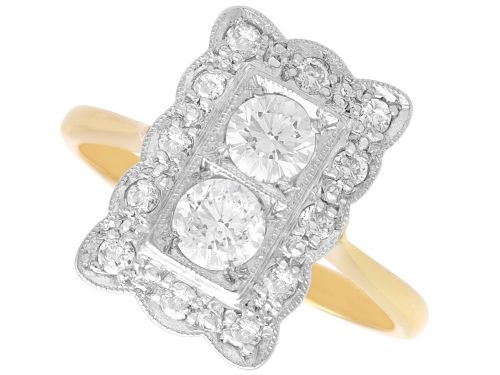
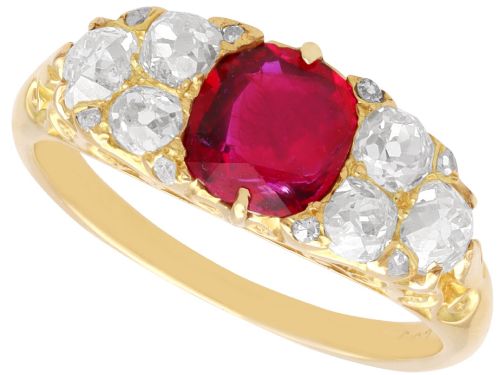
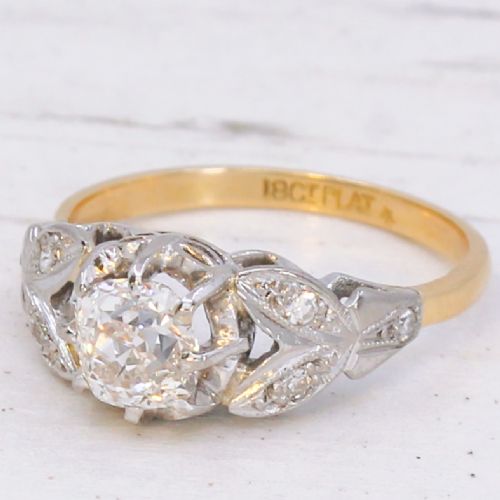
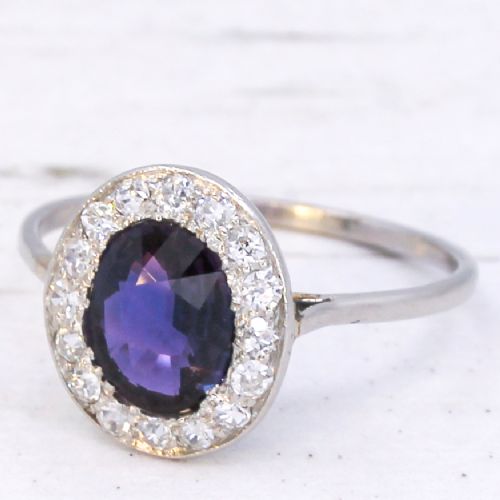
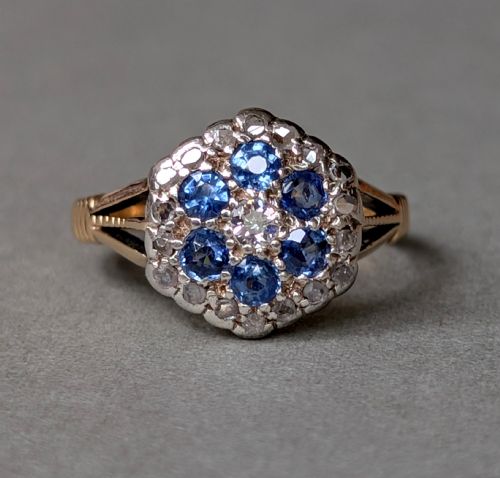
A 1930s cluster ring typically centres a prominent gemstone, such as a diamond, sapphire, ruby, or emerald, surrounded by a border of smaller accent diamonds.
These pieces function as dress rings, cocktail rings, or engagement rings, reflecting the geometric and symmetrical priorities of the Art Deco period.
The version most frequently encountered on this page pairs a central blue sapphire or old cut diamond with white metal settings and a slender band.
How they were made
Jewellers utilised platinum alongside 18ct white gold and 18ct yellow gold to construct durable yet delicate mountings for these intricate gemstone arrangements.
Central stones often feature old cuts, rose cuts, or cabochon polishes, secured within tight claw or bezel settings designed to maximise light return and visual impact.
Some rings smuggle in moonstones or amethysts beneath their geometric facades, proving the decade had a soft spot for the unexpected.
What varies in quality
The calibre of the central gemstone, encompassing origin, natural treatment status, and clarity, dictates the upper tier of these jewels.
Precision in the geometric layout and the balance between the central stone and the surrounding diamond cluster define the overall execution.
The 1930s Cluster Ring Glossary
- Cluster ring
- A ring featuring a central stone framed by a ring of smaller accent stones. This arrangement creates a larger visual presence on the finger.
- Old cut
- A diamond facet style popular before modern brilliant cutting standards were established. These stones typically feature smaller tables and larger culets.
- Cabochon
- A gemstone shaped and polished with a smooth, rounded surface rather than faceted. This technique highlights the natural colour and internal qualities of stones like sapphires and emeralds.
- Platinum
- A dense, durable white metal frequently utilised in high-end period jewellery. Its strength allows for ultra-fine settings that securely hold multiple small diamonds.
1930s Cluster Ring: Frequently Asked Questions
What is a 1930s cluster ring?
A 1930s cluster ring is a piece of period jewellery featuring a central gemstone surrounded by smaller accent stones, typically diamonds.
These rings originate from the Art Deco era and are known for their geometric designs and symmetrical arrangements.
How were 1930s cluster rings worn?
These pieces served as engagement rings, dress rings, and cocktail rings for daily or evening wear.
Their substantial top designs made them prominent accessories during the interwar period.
What metals were used in the 1930s?
Jewellers of this decade primarily worked in platinum, 18ct white gold, and 18ct yellow gold.
Platinum and white gold were particularly favoured for creating bright, uniform settings around diamonds.
How do I care for an antique ring?
Antique rings require gentle handling and periodic inspection of the settings to ensure stones remain secure.
Professional cleaning helps maintain the brightness of the gold, platinum, and gemstones without causing damage.