


1930s Club Seating
These 1930s club seating pieces bring substantial comfort and distinct period character to any room.
1930s Club Seating
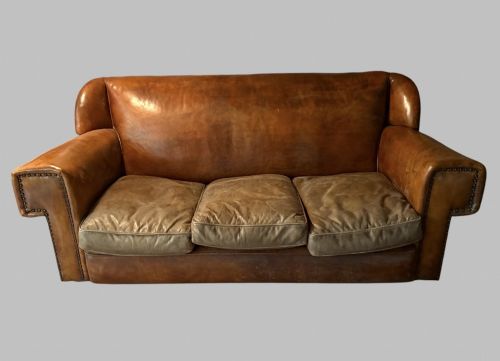
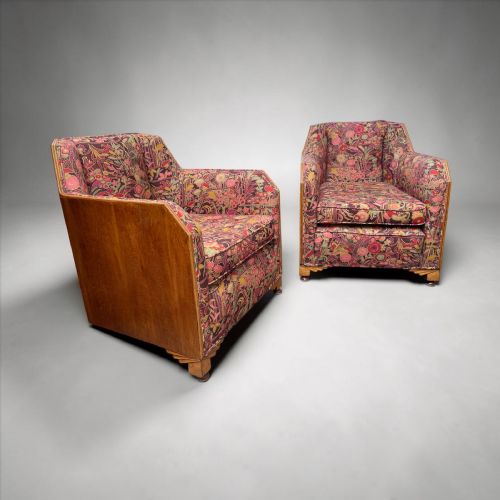
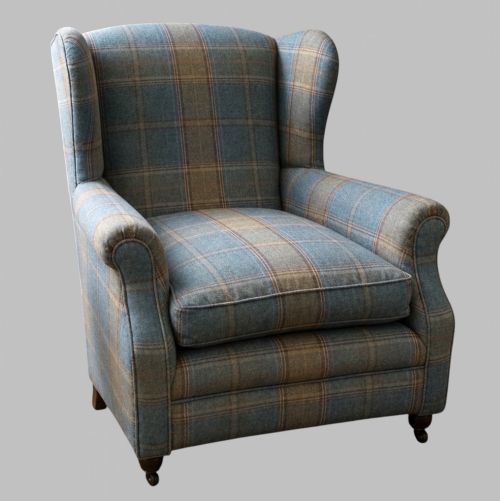
When searching for 1930s club seating, buyers encounter substantial armchairs, sofas, and complete sofa suites designed for deep relaxation. These forms originate primarily from the 1930 and 1920 periods, carrying the strong architectural lines typical of the era.
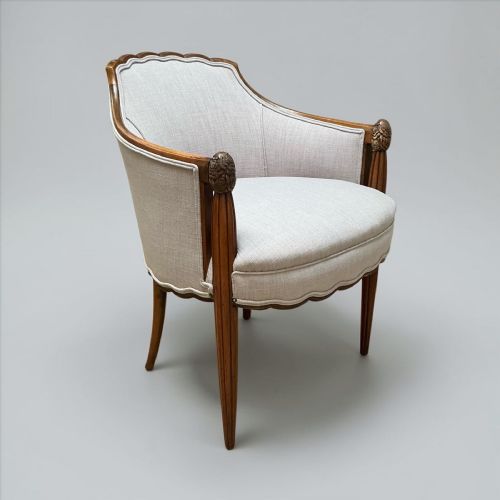
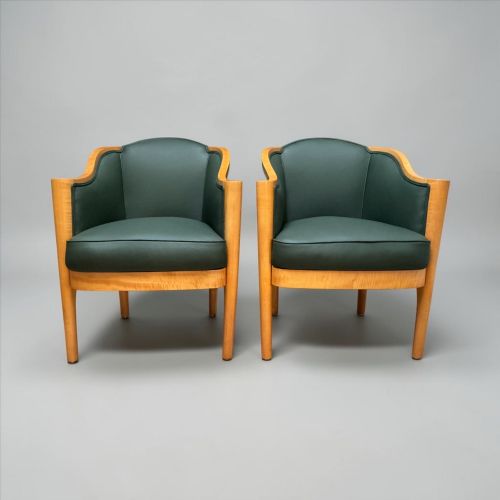
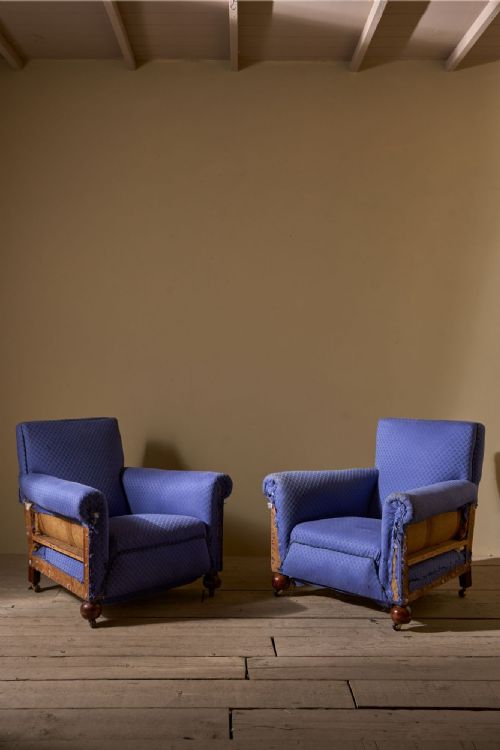
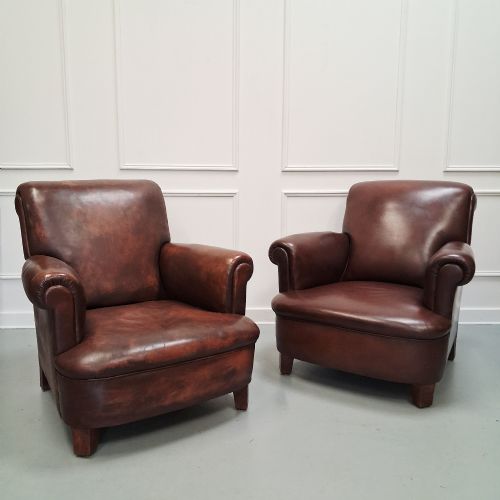
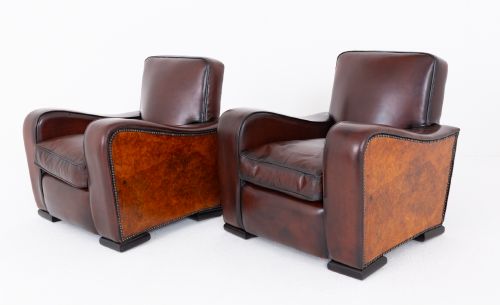
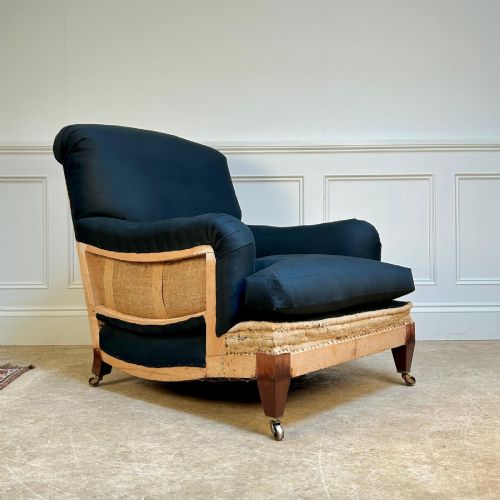
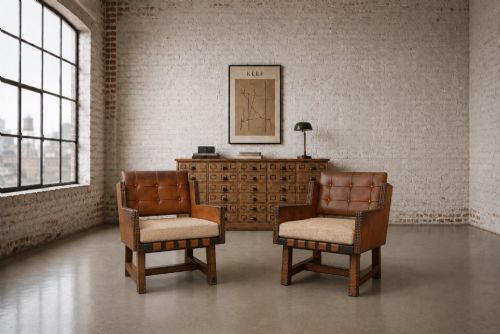
The version most frequently met on this page is the club armchair, often found in pairs. These pieces span stylistic expressions from French Art Deco and Swedish Art Deco to English Country House and traditional styles.
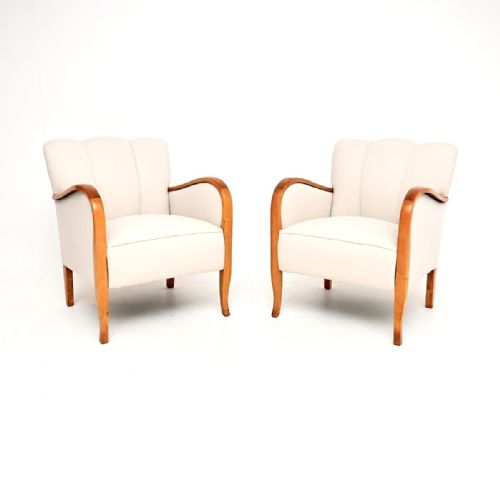
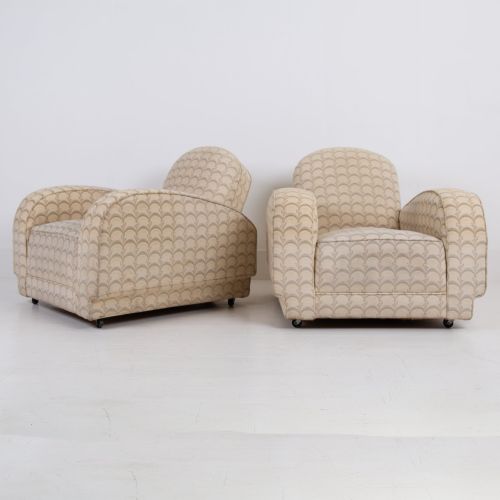
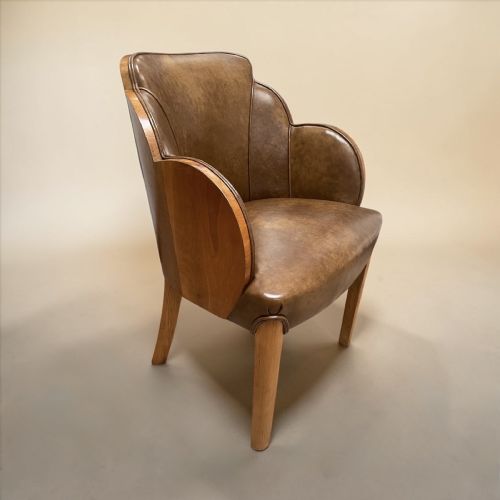
Makers and designers of the period utilised various formats, ranging from streamlined lounge chairs to generous library chairs and distinctive cloud armchairs. The selection also encompasses occasional chairs and specialised seating such as barber chairs.
Materials and construction methods
Makers built these frames using solid woods and timbers including walnut, oak, elm, satin birch, and burr birch. Hardwoods provided the robust structural foundation necessary for heavy daily use.
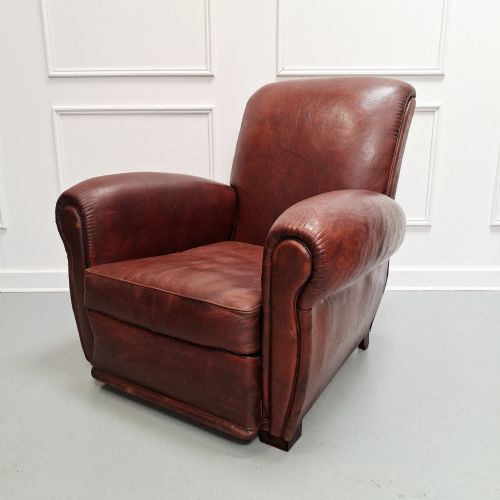
Upholstery relies heavily on leather, fabric, and rattan. Leather finishes appear in caramel tan, cigar brown, and green hues, sometimes featuring button-back detailing.
Metal and brass components often provide structural support or decorative accents, complementing the rich wood veneers and supple hides used throughout the period.
1930s Club Seating Retail Price Guide 2026
Typical asking prices for 1930s club seating among the pieces listed under this phrase on Sellingantiques today, from the lower quarter to the upper quarter. They describe what is for sale here now, not the wider market.
A solitary barber's chair from the nineteen-thirties sits among the plush lounge suites, ready for a very stylish haircut.
Distinguishing quality in period seating
The distinction between tiers of quality rests upon the selection of timber veneers and the handling of the upholstery hides. Superior examples employ carefully matched grains like satin birch and burr birch alongside thick, pliable leather.
Structural integrity and proportion define the upper tier, where substantial frames maintain clean geometric lines without feeling overly bulky. Execution of distinctive forms, such as the curved cloud chair profile, demands precise craftsmanship.
The degree of preservation and the fidelity of restoration work further separate pieces, particularly when original leather or specialised wood finishes are retained and properly maintained.
Maurice Adams·Hille·Harry and Lou Epstein
The 1930s Club Seating Glossary
- Art Deco
- A design style characterised by sleek lines, geometric shapes, and modern materials that dominated the interwar period. It influences many of the chairs and sofas found in this category.
- Club chair
- A deep, comfortable armchair traditionally upholstered in leather. This form provides generous proportions designed for relaxation.
- Satin birch
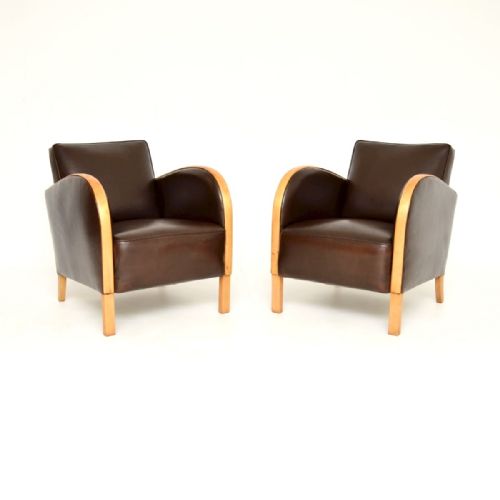
- A light-coloured hardwood frequently utilised for decorative veneers on Scandinavian furniture. It brings a pale, reflective quality to chair frames.
- Cloud chair
- An armchair style featuring rounded, bulbous upholstered forms reminiscent of clouds. These pieces are particularly associated with mid-century modern and Art Deco British makers.
- Tub armchair
- A seating form with a curved back that flows continuously into the arms. This compact design offers a supportive, enclosed sit.
1930s Club Seating: Frequently Asked Questions
How do I identify a true 1930s club chair?
Look for heavy wooden frames combined with deep, sprung seating and substantial armrests. The proportions tend to be lower and wider than earlier Victorian seating.
Material choices like original patinated leather and exotic wood veneers such as walnut or birch further confirm the interwar origins.
Are these chairs comfortable for daily use?
These pieces were originally engineered for heavy domestic lounging. Their deep seats and supportive backs make them practical for everyday sitting.
Many examples feature fully restored interior webbing and springs that restore the original supportive bounce.
What is the difference between French and Swedish Art Deco chairs?
French designs often lean towards dramatic silhouettes in dark leather or rich hardwoods. They emphasise bold presence and luxurious finishes.
Swedish pieces frequently showcase pale timber veneers like satin birch, creating a lighter visual weight within a room.
How should I care for vintage leather upholstery?
Maintain the leather by keeping it away from direct sunlight and heat sources that dry out the hide. Regular conditioning preserves the suppleness of the material.
Avoid harsh chemical cleaners and instead use damp cloths for light dust removal.