
1930s Cabinet
A 1930s cabinet brings striking geometric lines and rich timber figuring into a room, offering practical storage with distinct period character.
1930s Cabinet
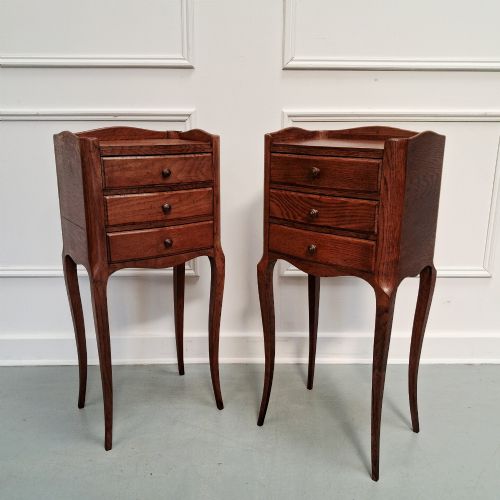
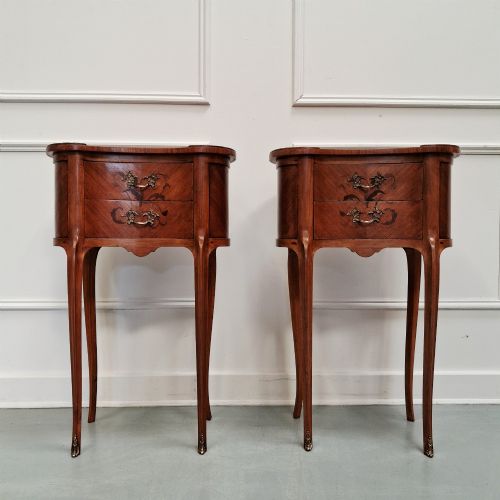
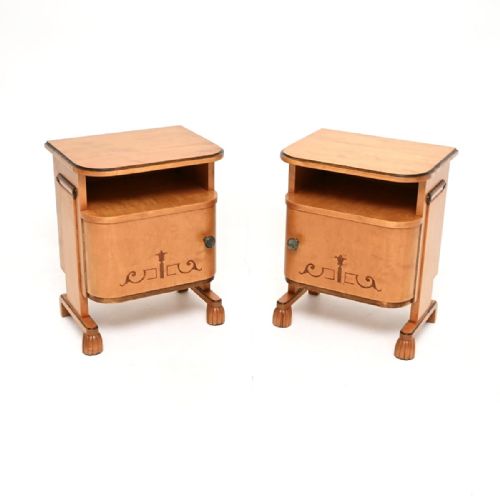
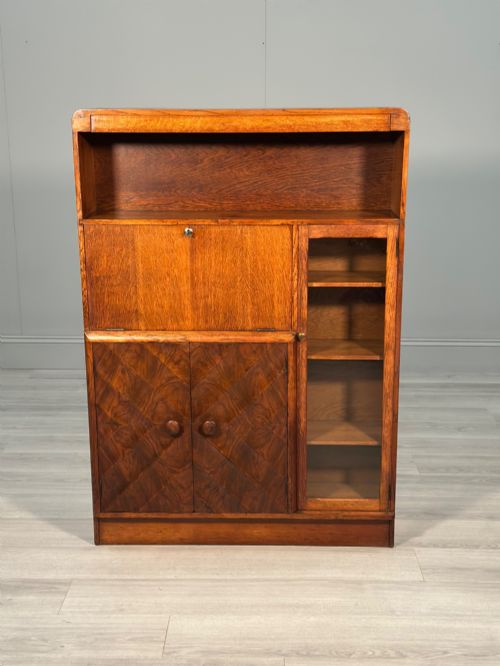
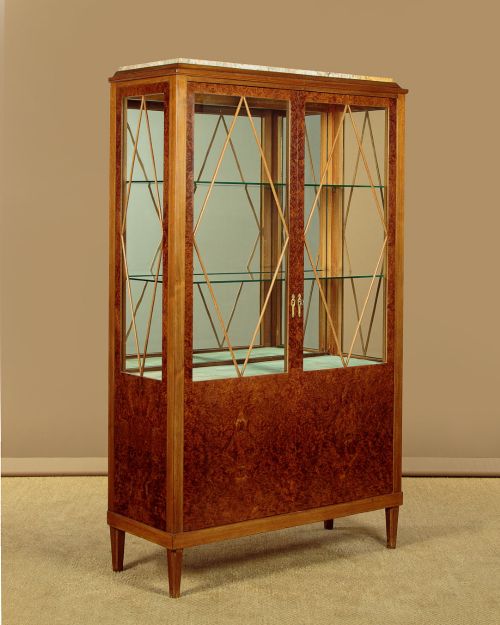
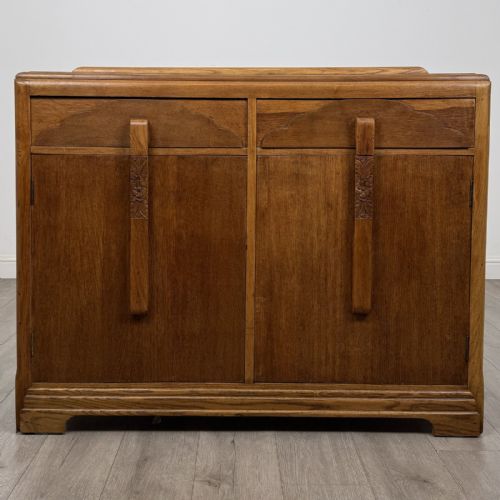
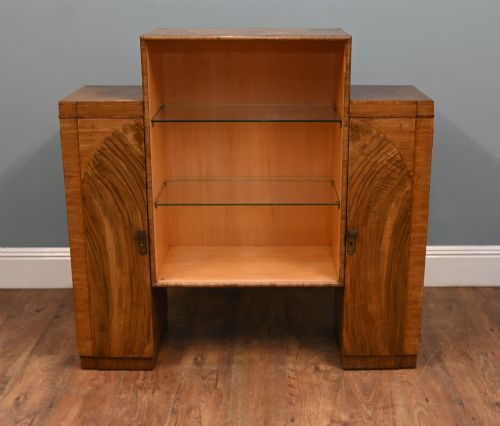
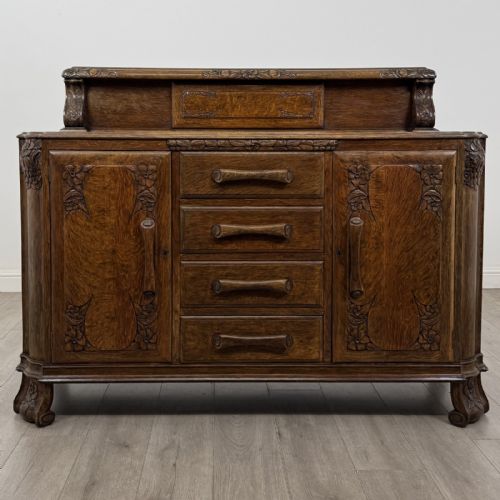
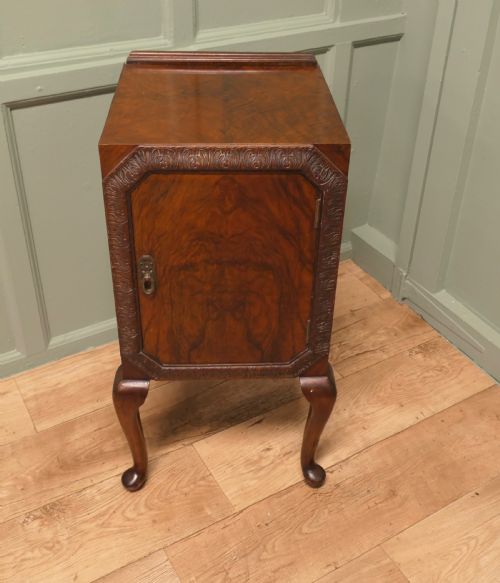
When you search for a 1930s cabinet, you encounter a wide variety of storage pieces ranging from dedicated display cabinets and sideboards to bedside units and bookcases. The majority of these pieces originate from the Art Deco period, though examples stretch from Edwardian designs through to pieces created in the 1940s.
Materials and Construction
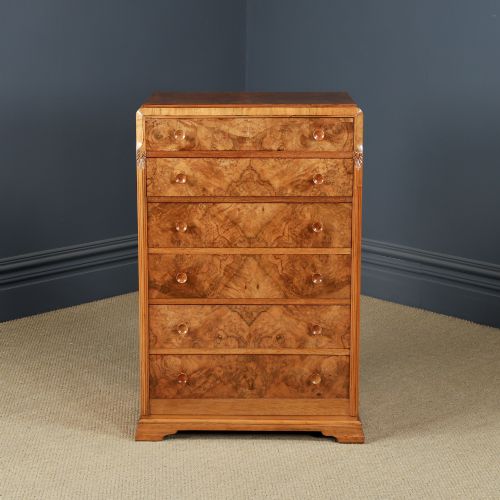
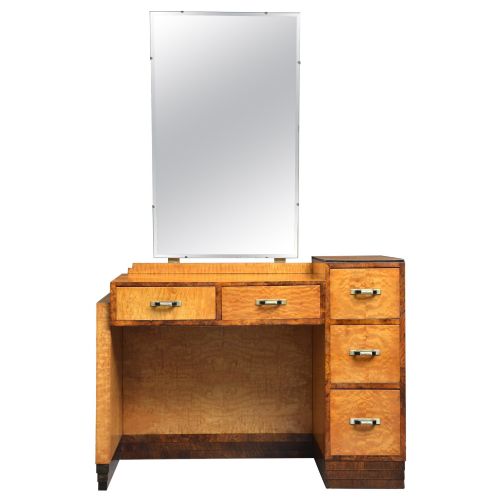
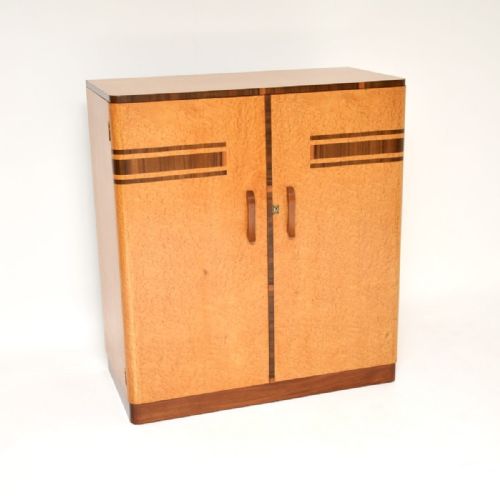
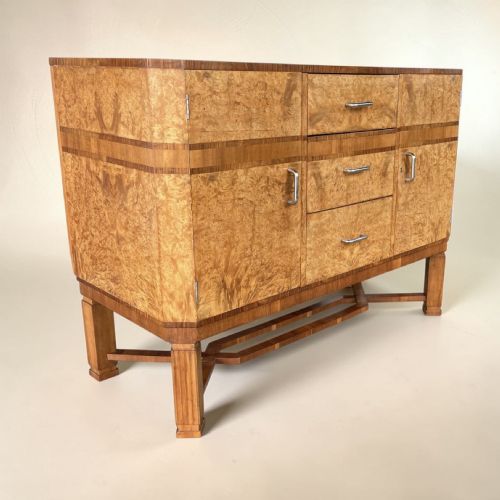
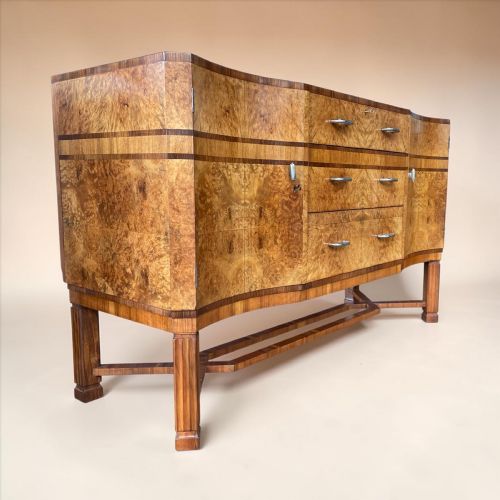
Cabinet makers of this era relied heavily on rich hardwoods and decorative veneers such as walnut, burr walnut, oak, satin birch, and ash, often applied over sturdy carcases. Metal details in brass and chrome frequently accent handles, keyplates, and leg mounts.
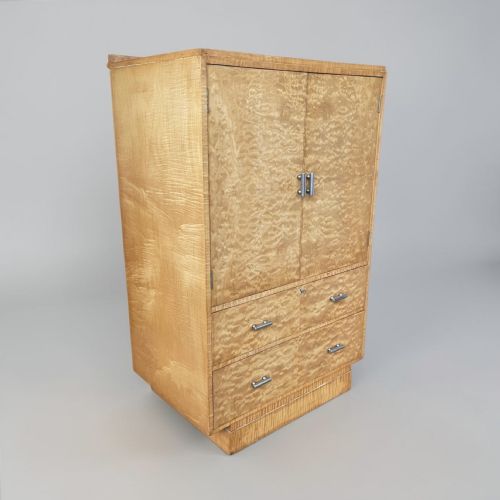
Glazing is common in bookcases and display pieces, utilising leaded or clear glass to showcase the interior. Timber surfaces are finished to highlight natural grain patterns, particularly figured veneers and bird's eye maple.
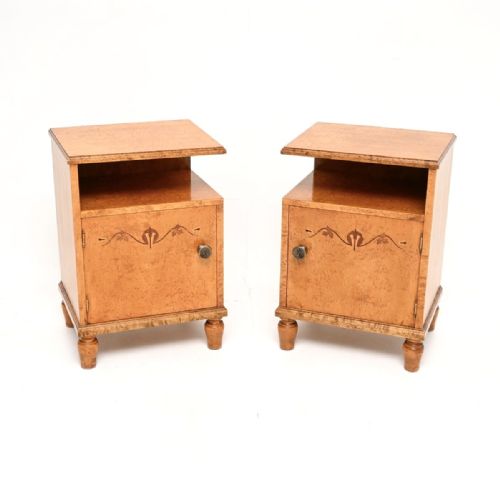
Several bedside cabinets arrive in matched pairs, proving that even in the 1930s, bedtime symmetry was serious business.
Quality and Craftsmanship
The distinction between standard and exceptional pieces rests in the selection of timber veneers and the precision of the cabinetwork. Fine examples utilise matched burr walnut, amboyna, or satin birch across primary surfaces, creating symmetrical grain patterns that demand expert handling.
Construction integrity defines the upper tier, seen in smooth drawer runs, well-fitted doors, and original hardware such as chrome or brass mounts. Finer pieces incorporate secondary timbers of high grade and maintain original finishes that retain a warm lustre.
E Gomme·Maurice Adams·Harry and Lou Epstein
The 1930s Cabinet Glossary
- Art Deco
- A design style characterised by sleek geometric shapes, streamlined forms, and stylised ornamentation popular during the interwar period. It influences the architecture and furniture of this era significantly.
- Burr Walnut
- A distinct timber figuring caused by a growth deformity on the walnut tree, yielding complex, swirling grain patterns. Cabinet makers prize this wood for decorative veneering on door fronts and drawer faces.
- Sideboard
- A long, low piece of furniture traditionally used in dining rooms for storing tableware and serving food. Many examples from this era incorporate cupboards, drawers, and raised galleries.
- Display Cabinet
- A glazed piece designed to exhibit porcelain, glassware, or books behind glass panels. These items often feature shaped wooden frames and multiple interior shelves.
- Veneer
- A thin layer of choice hardwood applied over a more stable secondary wood base to provide an ornate exterior surface. This technique allows makers to display striking grain formations economically.
1930s Cabinet: Frequently Asked Questions
What rooms suit a 1930s cabinet?
These pieces fit comfortably into living rooms, dining spaces, and hallways depending on whether the piece functions as a bookcase, sideboard, or display unit.
Their compact proportions and rich timber tones allow them to anchor modern interiors or complement existing vintage collections.
How do I identify Art Deco style?
Look for symmetrical geometric patterns, stepped outlines, and contrasting wood veneers that create visual rhythm across the piece.
Details like chrome handles and streamlined silhouettes further distinguish this aesthetic from earlier revival styles.
Were these cabinets used for drinks?
Certain specialised forms, such as cocktail cabinets, were built specifically for entertaining with mirrored interiors and glass shelving for glassware.
Standard sideboards and cabinets also provided ample concealed storage for bottles and bar accessories during the period.
How do I care for walnut veneer?
Protect the timber by keeping the cabinet away from direct sunlight and maintaining stable humidity levels in the room.
Regular dusting with a dry, soft cloth preserves the polish without introducing moisture that could harm the veneer.