





1930s Art Print
These 1930s art print selections capture the distinct graphic and decorative energy of the interwar period.
1930s Art Print
When you search for a 1930s art print, you encounter wall art, framed prints, and posters reflecting the visual culture of the era. The selection draws on periods spanning from the 1910s through the 1940s, capturing diverse aesthetics from graphic illustration to fine art.
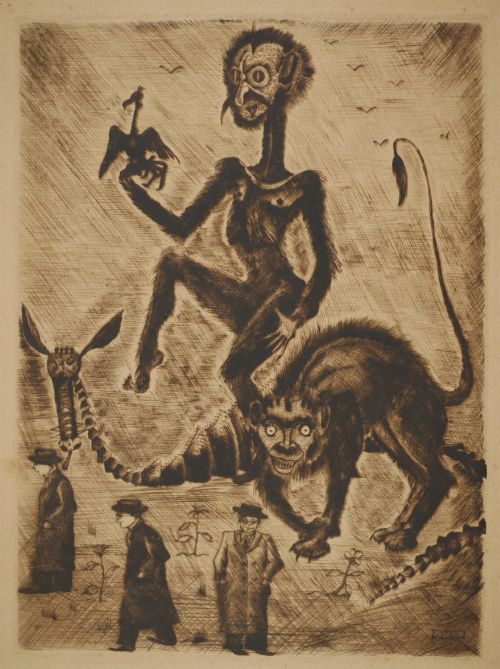
You are most likely to meet framed prints and poster designs alongside related wall art formats such as etchings, engravings, and lithographs. These works range from travel publicity to sporting subjects and character studies.
The aesthetic vocabulary encompasses Art Deco, surrealism, British realism, and traditional illustration. This variety ensures that works suit both period interiors and modern spaces requiring graphic focal points.
Materials and techniques
Works of this era utilise paper as a primary support for ink, gouache, and various printmaking techniques including lithography and etching. Framing often incorporates glass and wood, with specific pieces utilising gilt wood or walnut.
Production methods balance commercial printing processes for posters with limited edition engravings and original mixed media paintings. The physical execution reflects the intersection of hand-rendered illustration and mechanical reproduction typical of the period.
1930s Art Print Retail Price Guide 2026
Typical asking prices for 1930s art print among the pieces listed under this phrase on Sellingantiques today, from the lower quarter to the upper quarter. They describe what is for sale here now, not the wider market.
Art styles represented include Art Deco, surrealism, British realism, and traditional sporting illustration.
What determines quality
The distinction between standard commercial ephemera and superior examples lies in the clarity of the impression, the integrity of the paper support, and the presence of artist signatures or limited edition markings.
Originality of medium and contemporary framing choices also elevate specific pieces above standard reproductions. The strength of the graphic design and the preservation of original colour saturation dictate overall desirability.
Kurt Lorein Victor Peiser·Margaret Maitland Howard·Jean Hardy·Albert Terry
The 1930s Art Print Glossary
- Lithograph
- A print produced by a printing process on a flat surface, traditionally stone, using oil and water repellency. This technique allowed artists to produce vibrant, painterly posters.
- Etching
- A printmaking method where lines are incised into a metal plate with acid before ink is applied. The resulting image yields fine, distinct detail.
- Gouache
- An opaque water-based paint that dries to a matte finish with high pigment density. Artists utilised this medium for poster designs requiring flat, saturated colour.
- Surrealism
- An artistic movement exploring the subconscious through dreamlike and bizarre imagery. Pieces in this style reject conventional logic in favour of symbolic juxtaposition.
- Art Deco
- A dominant design style of the 1920s and 1930s characterised by streamlined geometric shapes and stylised motifs. It heavily influenced both typography and illustration.
1930s Art Print: Frequently Asked Questions
What defines a 1930s art print?
A print from this decade typically reflects the prevailing graphic styles of the period, notably Art Deco and modernist illustration. These works encompass advertising posters, limited edition engravings, and photographic prints.
Techniques range from traditional etching to commercial lithography, capturing the visual communication methods of the interwar years.
How do I display these prints?
Most works require framing with glass to protect the paper substrate from environmental moisture and particulate damage. Acid-free mounts help prevent discolouration over time.
Placement should avoid direct sunlight to preserve the original ink and pigment saturation across paper and gouache surfaces.
Are these pieces original?
The selection includes original period printings, posters, and hand-rendered works on paper created during the early twentieth century. Mediums such as gouache and mixed media represent unique primary art pieces.
Editioned prints feature artist signatures or specific plate markings denoting their production status.
What subjects are common?
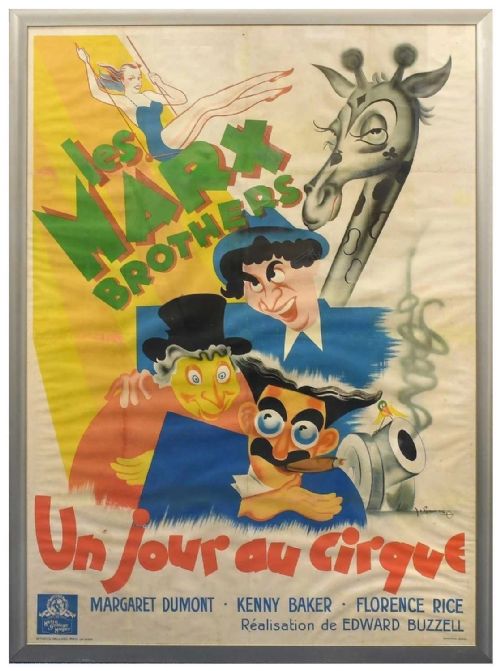
Common subjects include travel promotion, sporting events, cinematic ephemera, and mythological scenes. Stylistic approaches vary from stark realism to surrealist compositions.
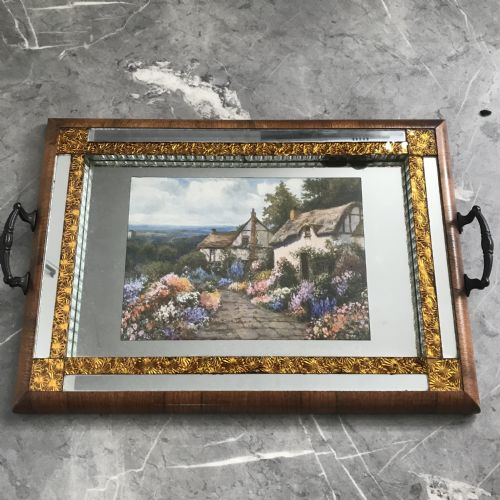
Floral garden scenes and portraits further broaden the visual scope available within this category.