


1930s Armoire Wardrobe
A 1930s armoire wardrobe brings architectural presence and generous storage to a bedroom through striking veneers and clean lines.
1930s Armoire Wardrobe
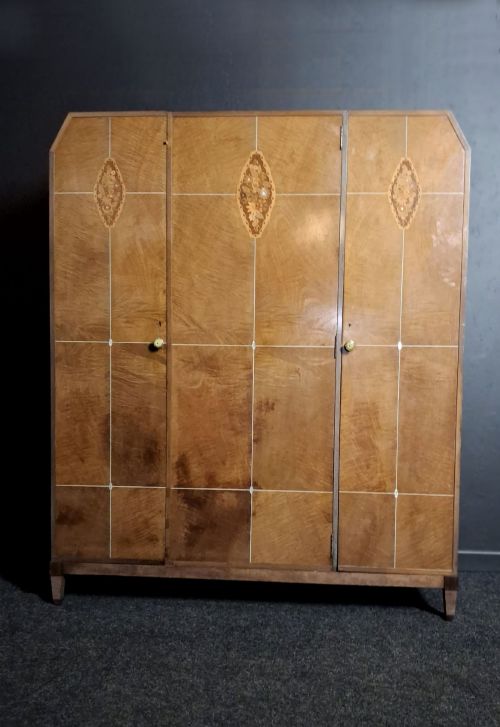
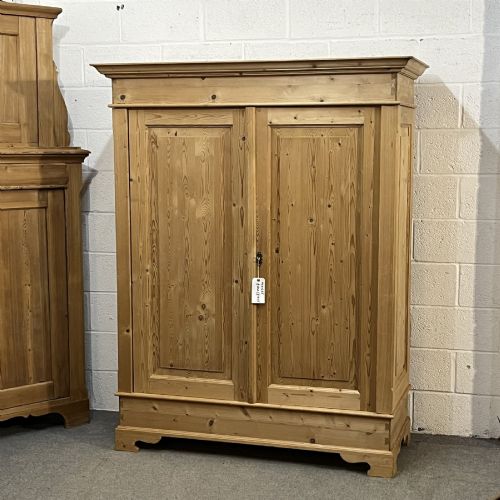
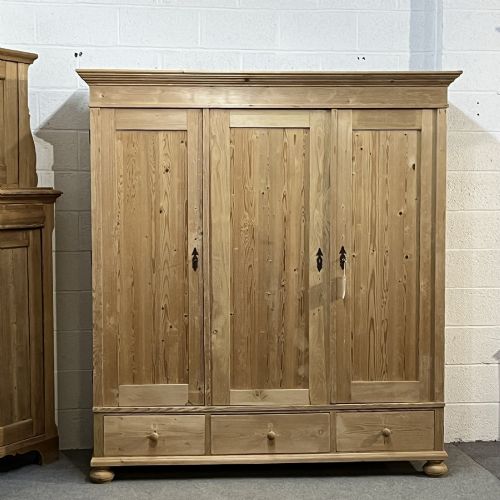
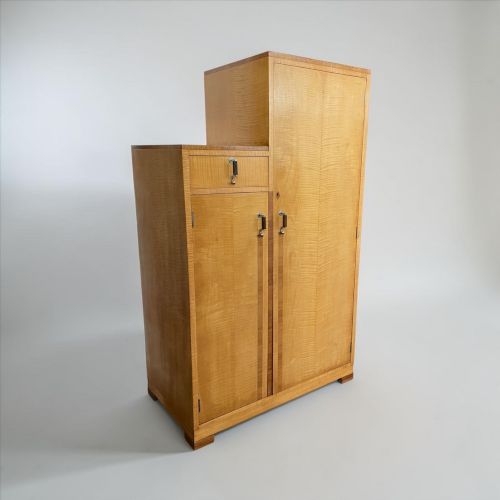
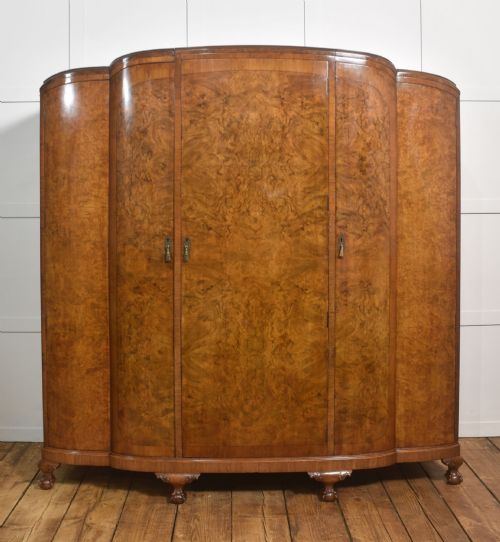
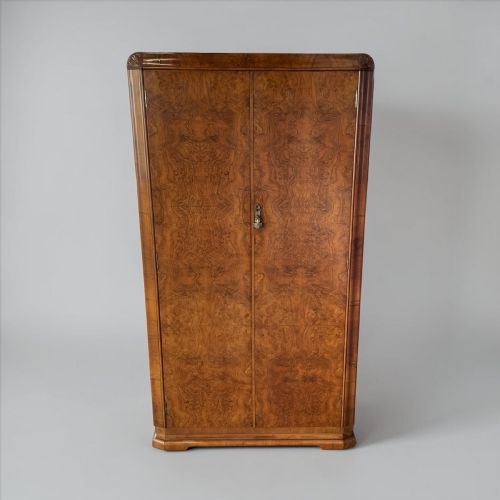
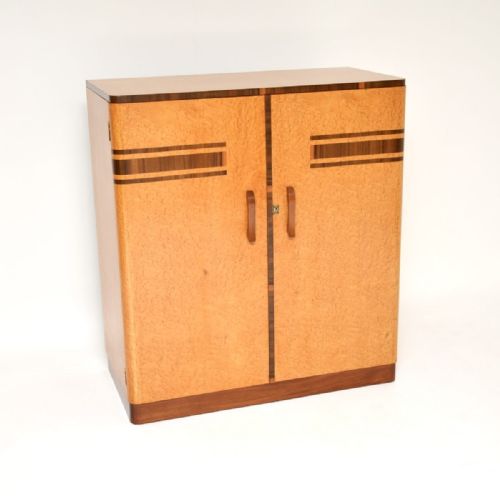
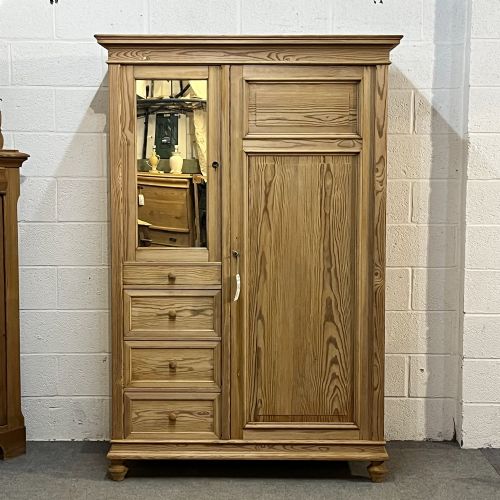
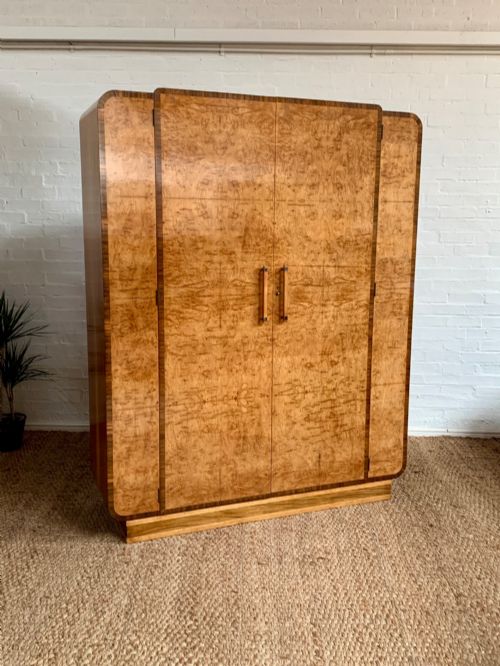
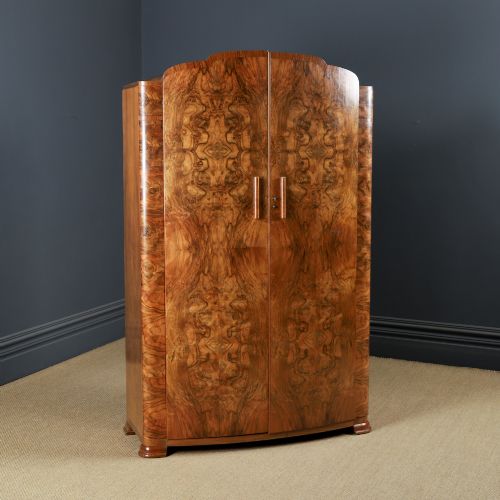
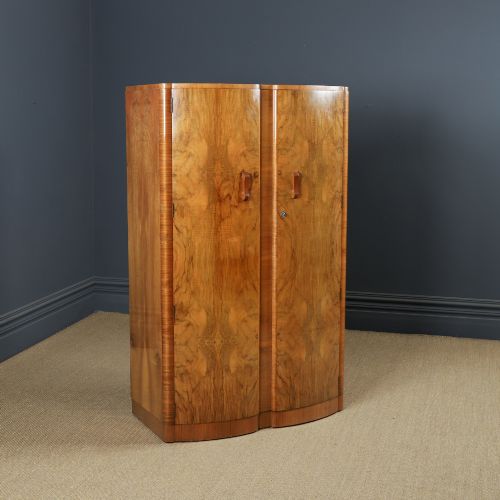
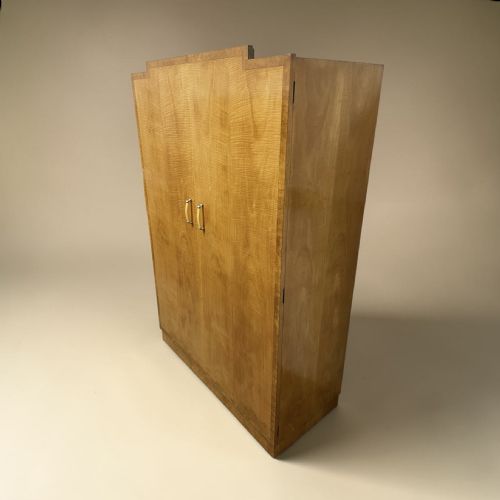
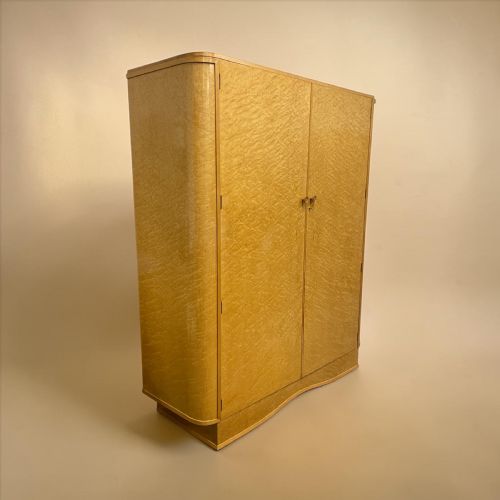
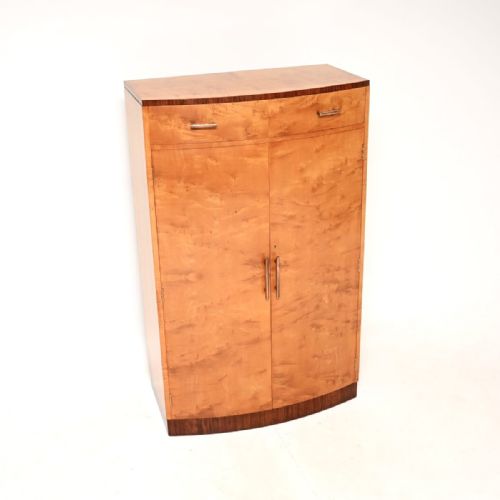
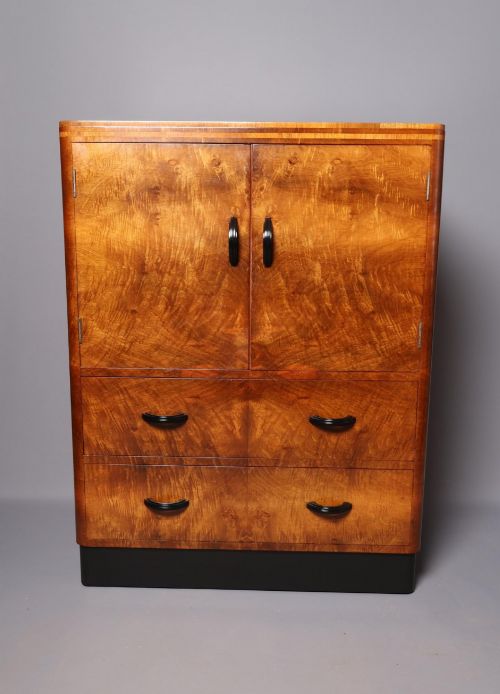
A 1930s armoire wardrobe takes several forms on this page, dominated by Art Deco designs alongside country, institutional, and Swedish Grace examples. Buyers encounter double and triple wardrobes, compactums, bow front closets, and larger bedroom suites.
Most pieces date directly to 1930, with occasional variations spanning from the 1920s to 1940. These large storage pieces serve as focal points in period and contemporary interiors alike, offering fitted interiors, drawers, and hanging space.
How they were made
Cabinet makers utilised solid timbers alongside rich veneers such as burr walnut, figured walnut, satin birch, birds eye maple, and oak. These veneers create dramatic grain patterns across large double and triple doors.
Details often include brass hardware, glass panels, metal fittings, and Bakelite accents. Marquetry inlay and bow front shaping add further complexity to the construction of these large cabinets.
1930s Armoire Wardrobe Retail Price Guide 2026
Typical asking prices for 1930s armoire wardrobe among the pieces listed under this phrase on Sellingantiques today, from the lower quarter to the upper quarter. They describe what is for sale here now, not the wider market.
Listings feature woods including walnut, birch, maple, and oak, alongside brass and Bakelite hardware.
What varies in quality
The selection of timber veneers dictates much of the visual distinction, from simple domestic oak to highly figured burr walnut and birds eye maple laid in symmetrical patterns. Matching grain across multiple doors requires high skill from the cabinet maker.
Internal configuration and fitted compartments separate standard utility cupboards from luxury compactums designed for comprehensive garment storage. The execution of curved bow fronts and integrated drawer units also signals higher workshop capability.
B Cohen & Sons·Harry and Lou Epstein·Otto Schulz for Boet
The 1930s Armoire Wardrobe Glossary
- Armoire
- A tall cupboard or wardrobe used for storing clothes, typically featuring doors that open to reveal hanging space and shelves. In this period, they often adopt sleek architectural proportions.
- Compactum
- A multi-functional wardrobe combining hanging space, drawers, and internal shelving within a single footprint. These pieces offer exceptionally organised storage.
- Veneer
- A thin layer of decorative wood applied to a secondary timber base to create striking surface patterns. Burr and figured variations are characteristic of the period.
- Bow front
- A convex, outwardly curved front design that softens the rigid corners of large bedroom cabinets. This shaping requires precise carpentry.
- Art Deco
- A dominant design style of the era characterised by geometric symmetry, streamlined forms, and luxurious materials. It heavily influences the majority of wardrobes from this decade.
1930s Armoire Wardrobe: Frequently Asked Questions
What is a compactum wardrobe?
A compactum is a specialised multi-purpose storage piece that integrates hanging space alongside multiple internal drawers and compartments. It provides comprehensive bedroom storage in a single footprint.
These pieces often feature clever internal fittings designed to keep accessories and folded garments neatly arranged.
How do I care for walnut veneer?
Keep walnut furniture away from direct sunlight and steady heat sources to prevent the fine veneers from drying out or fading. Polish gently with a soft cloth to maintain the natural lustre of the wood.
Avoid excessive moisture and use coasters or mats on any top surfaces used for display.
How do I identify Art Deco style?
Art Deco pieces rely on symmetrical geometric lines, streamlined silhouettes, and dramatic wood grains rather than heavy applied carving. Look for stepped cornices, curved bow fronts, and contrasting veneer borders.
Hardware in brass or Bakelite often completes the distinctive look of the period.