


1930s Animal Statue
A 1930s animal statue captures motion and form through striking Art Deco styling, offering both decorative presence and period character.
1930s Animal Statue
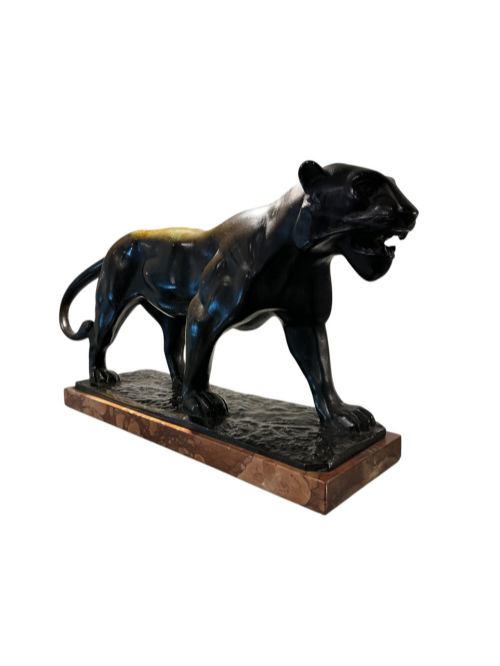
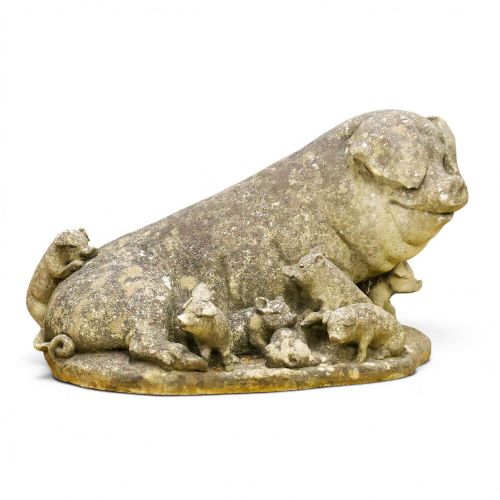
When you search for a 1930s animal statue, you encounter figures shaped by the dominant aesthetic of the interwar period, most notably Art Deco design. These pieces represent fauna ranging from wild panthers and stags to domestic dogs and farmyard pigs.
The objects take several distinct forms on this page, including desk bookends, garden figures, and mantel sculptures. Many utilise combined materials, mounting metal or ceramic beasts onto contrasting marble and onyx bases.
Origins stretch across European workshops, with French foundries and English studios contributing heavily to the selection. Subjects capture animals in motion, such as leaping dogs, prowling panthers, and grazing deer.
How they were made
Foundries produced many of these sculptures using bronze or spelter, applying patination or silvered finishes to the metal surface. Spelter served as a common, more affordable alternative to solid bronze during the period.
Sculptors also utilised carved wood, glazed ceramic with gilded highlights, and cast stone for larger garden pieces. Bases frequently combined shaped marble and onyx to anchor the weight of the animal figures.
A French cat sculpture stares into the room with inserted glass eyes.
What varies in quality
The standard of a 1930s animal statue depends heavily on the crispness of the casting and the expressiveness of the animal's posture. Finer pieces display careful attention to musculature and anatomical detail.
Material combination also defines the grade of the work, with genuine bronze and selected marble bases sitting above spelter mounted on simpler woods. The inclusion of signed artist details or stamped retailer marks elevates the standing of individual sculptures.
Eugene Emile Borga·Liberty And Co·Karl Hagenauer·Michel Decoux
The 1930s Animal Statue Glossary
- Spelter
- A zinc-based alloy commonly used as a substitute for bronze in decorative figures. It accepts patination well but remains softer than true bronze.
- Patina
- The surface sheen or coloration developed naturally over time or applied chemically by the maker. It enhances the depth of metal sculptures.
- Art Deco
- The predominant design style of the 1930s characterised by stylised forms, clean lines, and modern materials. It heavily influences the posture of these animal studies.
- Bookends
- A matched pair of heavy objects designed to support upright books on a shelf. Sculptural examples frequently feature animals facing inward.
1930s Animal Statue: Frequently Asked Questions
Are these statues made of solid bronze?
Many figures utilise solid bronze or patinated bronze, while others consist of spelter, which is a zinc alloy common to the period. Some larger garden examples utilise cast stone or carved wood.
Bases also vary, frequently combining polished marble and onyx to support the metal or ceramic animal figures.
Where were most of these sculptures made?
The pieces originate primarily from European workshops, with French foundries producing many of the spelter and bronze panthers and stags. English makers also contributed garden statues and retail items.
Italian studios produced specialised specimen marble studies during the same timeframe.
How do I display a bookend pair?
Animal bookends function best supporting upright volumes on a desk, mantelpiece, or bookshelf. Pairs are designed to face inward toward the books.
Ensure the surface can support the weight of the marble and metal construction.
What subjects are most common?
Big cats such as panthers and lions appear frequently in dynamic, prowling postures. Dogs, deer, pheasants, and horses also represent popular subjects.
Farmyard animals appear in larger garden formats rather than tabletop sculptures.