


1920s Wooden Table
A 1920s wooden table brings practical surface space and distinct period character into a room, offering sturdy utility paired with varied stylistic detailing.
1920s Wooden Table
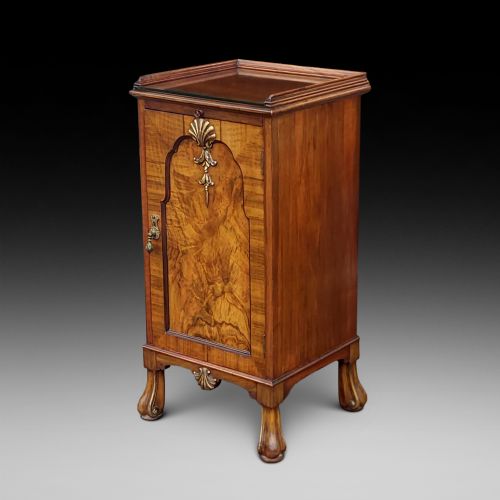
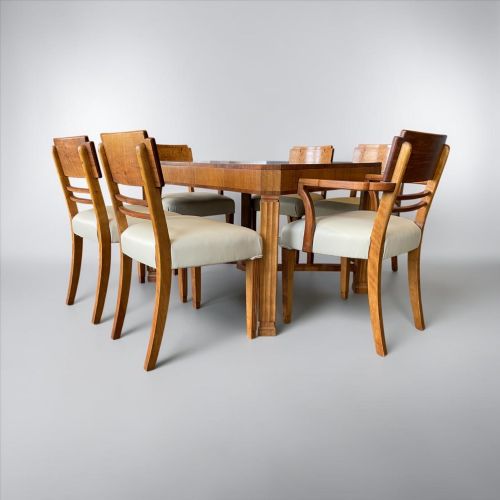
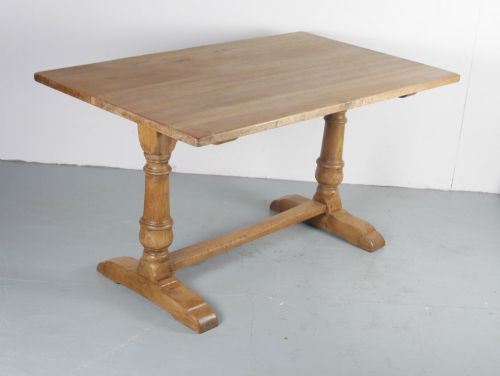
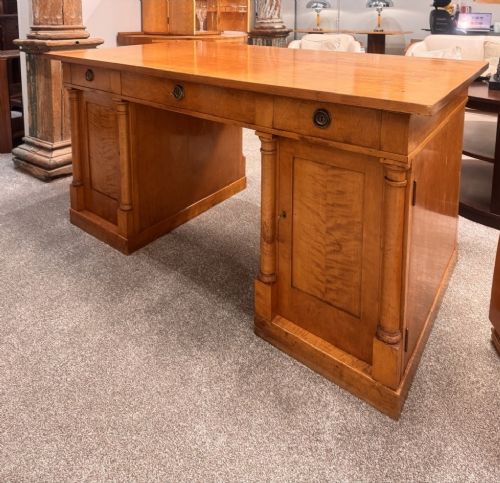
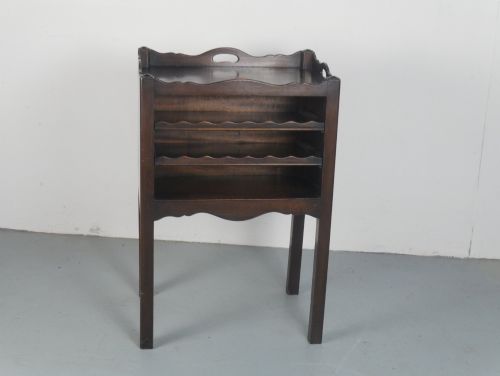
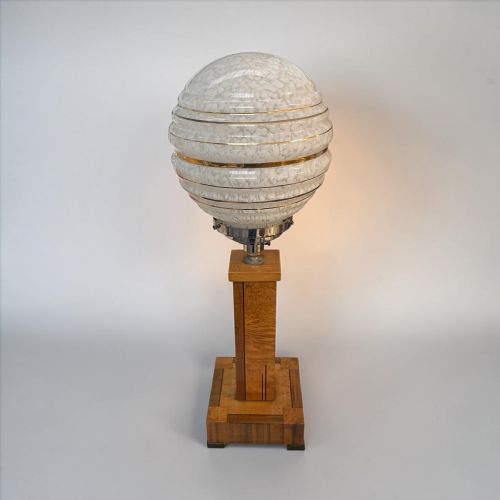
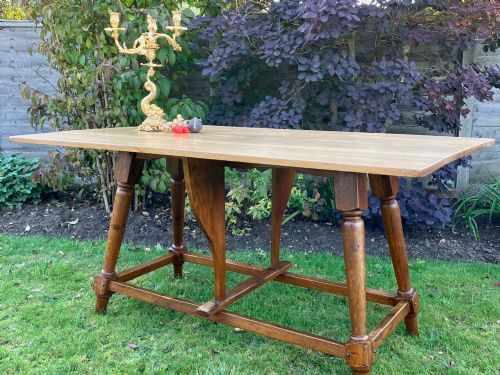
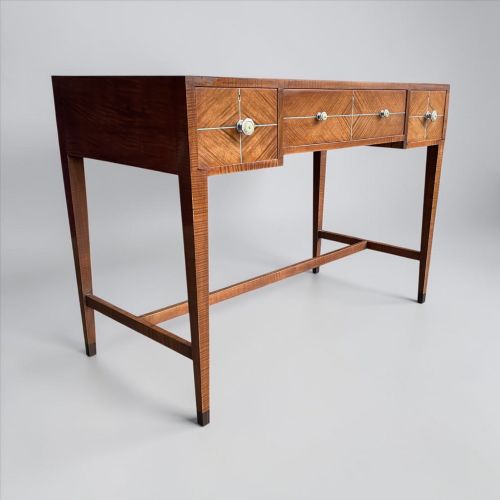
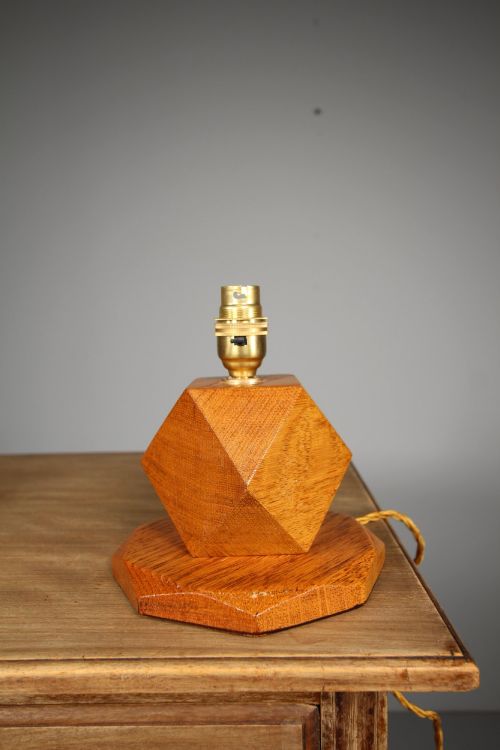
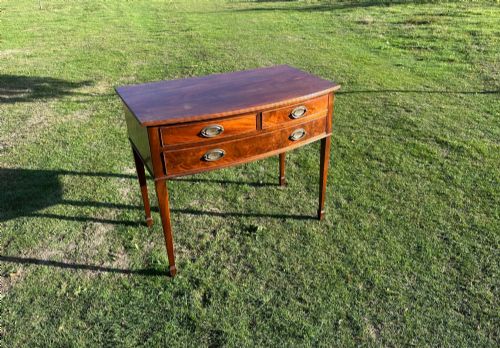
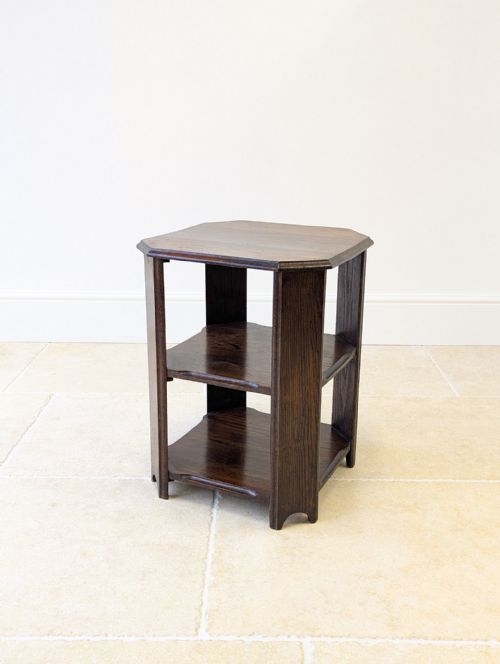
When you search for a 1920s wooden table, you encounter a selection of occasional tables, coffee tables, dining tables, and side tables produced during a period of considerable design transition. These pieces emerge from styles ranging from Arts and Crafts and Jacobean Revival to Art Deco, Swedish Grace, and Amsterdam School.
The most common formats on this page are compact occasional and side tables, alongside larger dining and draw leaf variations. Construction during this era frequently draws on traditional British and European cabinet-making methods adapted to changing domestic interiors.
Materials and Construction Techniques
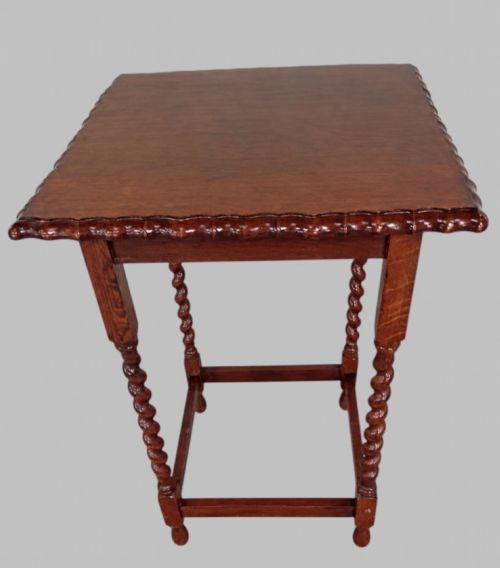
Oak remains the predominant timber across these listings, often accompanied by mahogany, walnut, beech, and occasional exotic veneers like Macassar ebony and coromandel. Makers utilise solid construction alongside veneered panels, incorporating turned legs, barley twists, and carved detailing.
Secondary materials such as brass fittings, leather inserts, and glass tops appear on specific forms, while painted finishes and ebonising demonstrate alternative surface treatments utilised during the decade.
1920s Wooden Table Retail Price Guide 2026
Typical asking prices for 1920s wooden table among the pieces listed under this phrase on Sellingantiques today, from the lower quarter to the upper quarter. They describe what is for sale here now, not the wider market.
Several tables roll on wheels, proving that people a century ago appreciated moving their tea trays without spilling a drop.
Distinctions in Standard and Execution
The standard of a 1920s wooden table depends heavily on the selection of timber and the precision of the joinery. Superior examples display well-figured wood grains, tight joints, and thoughtful proportioning that reflects the design ethos of specific movements like Arts and Crafts or Art Deco.
Lesser pieces rely on mass-produced simplicity with minimal decorative ambition or heavier, unrefined revivals of earlier styles. The integration of secondary elements, such as inlaid brass or finely turned supports, elevates the execution of the better examples.
Betty Joel·Heals·M. D. Miller & Sons·Aux Etats Unis
The 1920s Wooden Table Glossary
- Draw leaf table
- A dining table equipped with pull-out leaves stored beneath the main surface, extending the top length when required.
- Barley twist
- A turned wooden column resembling the spiral shape of a twisted barley stalk, commonly found on table legs and supports from this era.
- Macassar ebony
- A densely grained tropical hardwood with distinctive dark brown and yellowish stripes, utilised for decorative veneer work on high-end Art Deco pieces.
- Occasional table
- A small, portable table designed for specific, temporary uses around a living space, such as holding books or a lamp.
- Swedish Grace
- A refined neoclassical design movement bridging classical forms with modern minimalism, prominent in Scandinavian furniture production during the 1920s and 1930s.
1920s Wooden Table: Frequently Asked Questions
What defines a 1920s wooden table?
These pieces combine traditional carpentry with the emerging design movements of the early twentieth century, spanning sturdy oak revivals and sleek Art Deco forms.
They reflect a transitional era where utilitarian furniture met decorative experimentation in domestic spaces.
How do I identify Art Deco tables?
Art Deco tables often feature geometric lines, contrasting veneers like walnut or ebony, and ebonised surfaces that depart from heavier historical revivals.
Their silhouettes prioritise streamlined elegance and modern decorative appeal over ornate traditional carving.
Where were these tables made?
The listings encompass British, French, Swedish, and Italian origins, demonstrating diverse European regional workshops and design houses.
Each geographic area brought distinct local timbers and stylistic preferences to table construction during this decade.
How should I care for a vintage wooden table?
Maintain the timber by keeping the surface away from direct heat sources and excessive moisture fluctuations that can affect polished finishes.
Regular dusting with a dry cloth preserves the natural grain and patina developed over a century of use.