





1920s Walnut Side Table
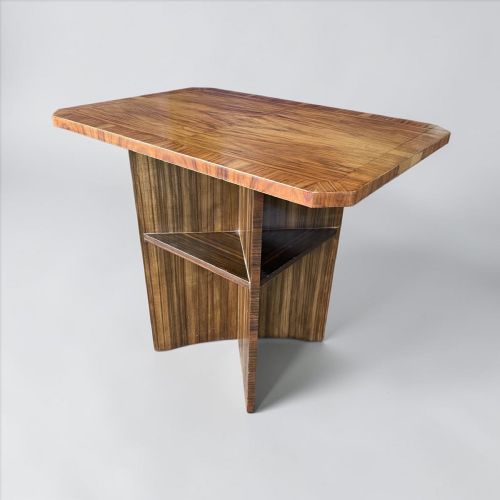
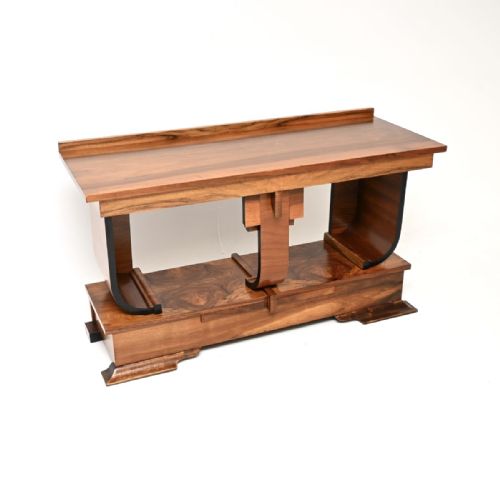
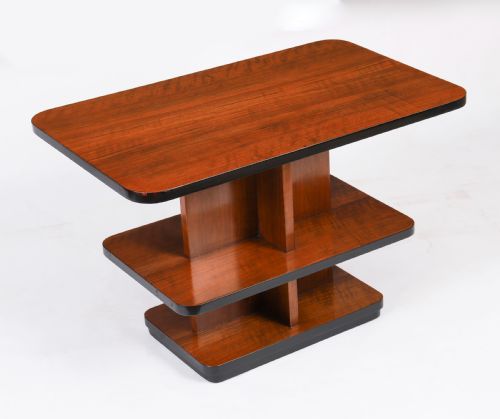
These pieces unite the rich grain of walnut with the bold geometries of Art Deco and the polished curves of revival styles.
1920s Walnut Side Table
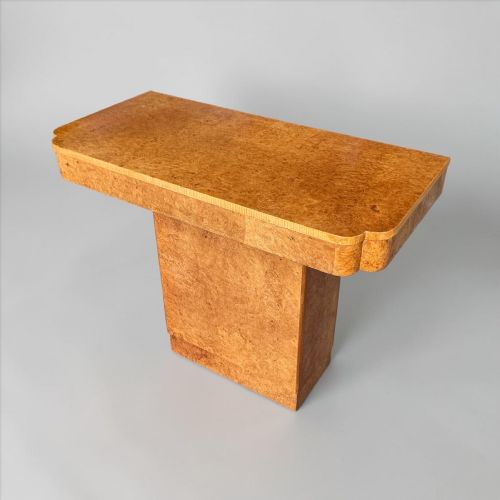
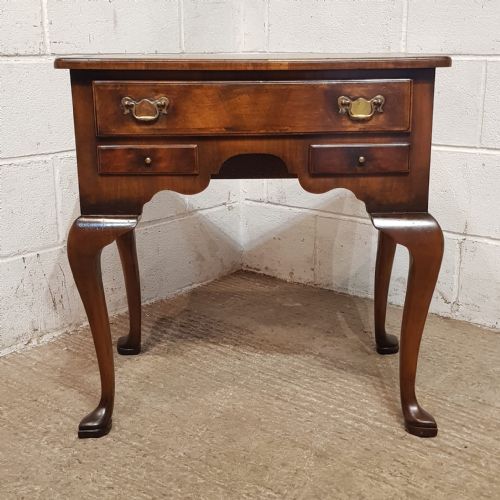
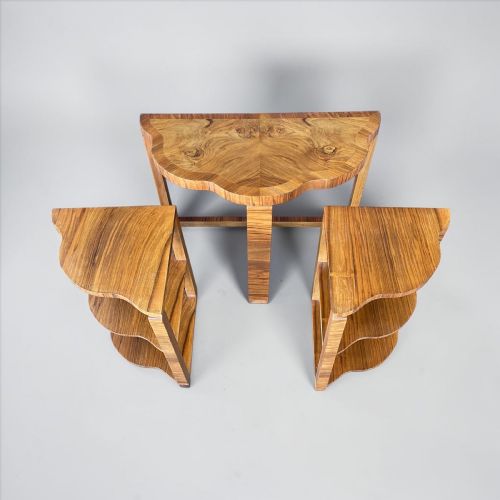
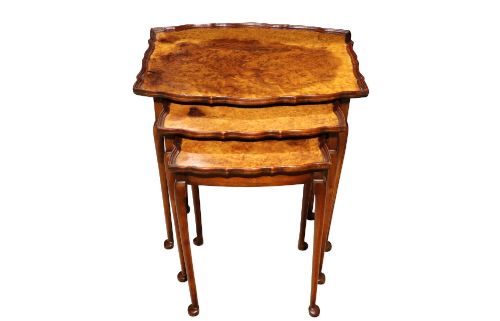
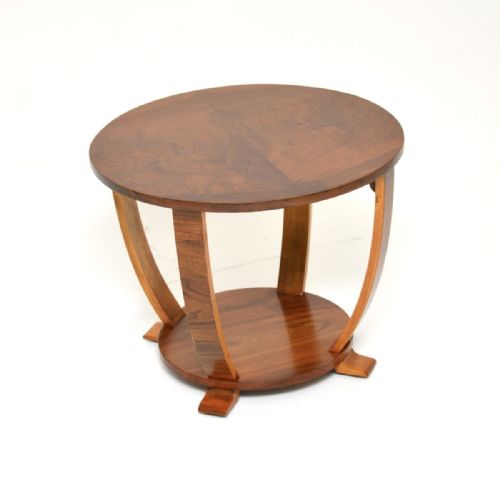
A 1920s walnut side table brings warmth and utility to a room through varied forms such as lowboys, console tables, nests of tables and coffee tables. Most examples emerge from the 1920s and 1930s, alongside pieces marked by Edwardian or 1940 periods.
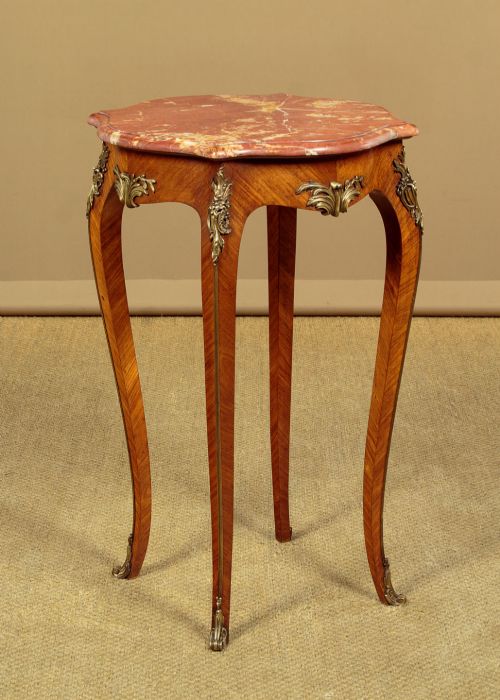
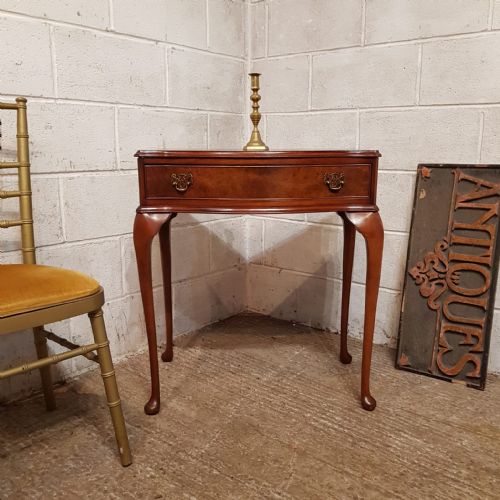
Makers and designers channel distinct aesthetic currents into these surfaces, ranging from Art Deco and French Art Deco to Queen Anne Revival, Georgian Revival and Rococo Revival. Buyers find items shaped with serpentine or bow fronts, alongside tiered and circular occasional formats.
The materials span solid walnut and burr walnut alongside walnut veneer, supported by secondary timbers like mahogany and hardwood, sometimes topped with marble or fitted with brass details.
How They Were Made
Cabinet makers utilised walnut and burr walnut timber, frequently laying fine veneers over hardwood carcasses to display the swirling patterns of the grain. Surfaces were smoothed and polished to bring out the natural figure of the wood.
Structural elements incorporated brass handles, hinges and mounts, whilst select pieces introduced marble tops or intricate serpentine and bow-fronted woodwork moulded in the revival and Art Deco manners.
1920s Walnut Side Table Retail Price Guide 2026
Typical asking prices for 1920s walnut side table among the pieces listed under this phrase on Sellingantiques today, from the lower quarter to the upper quarter. They describe what is for sale here now, not the wider market.
Listings feature items spanning the Edwardian period through to the 1940s, showcasing walnut, burr walnut, mahogany, marble and brass.
What Varies in Quality
The visual strength of a piece relies heavily on the choice of burr walnut veneer, where symmetrical and highly figured grain elevates the presence of a console or coffee table. Finer examples display meticulous matching of the wood across drawers and tabletops.
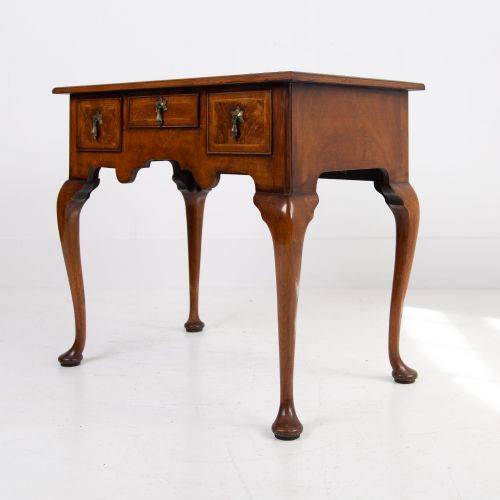
Construction standards appear in the crispness of carved cabriole legs on Queen Anne styles or the precise geometric alignment found in Art Deco framework, separating standard utility furniture from exceptional cabinet work.
Harry And Lou Epstein·L.Martin of Paris
The 1920s Walnut Side Table Glossary
- Burr walnut
- A prized timber cut from the abnormal growth or burl of a walnut tree, yielding dense, swirling grain patterns. It forms the primary decorative surface on many high-end tables and cabinets.
- Lowboy
- A small dressing table or side table featuring one or more rows of drawers beneath a flat top, typically raised on slender cabriole legs.
- Serpentine front
- A furniture front curving outward in the centre and inward at the sides, demanding advanced carpentry to execute smoothly.
- Cabriole leg
- A furniture leg that curves outward at the knee and inward at the ankle, mimicking animal limbs and commonly seen on revival styles.
1920s Walnut Side Table: Frequently Asked Questions
Where should I place a walnut side table?
These tables fit easily beside a sofa as a lamp table or against a hallway wall as a console. Their compact proportions also suit bedrooms as bedside cabinets.
Selecting a nest of tables provides flexible surfaces that pull out when needed and stack away neatly to save floor space.
How do I care for walnut veneer surfaces?
Protect the polished wood from direct sunlight and excessive heat to prevent the veneer from drying or fading. Dust the surface regularly with a soft, dry cloth rather than using harsh chemical polishes.
Applying a traditional beeswax occasionally helps nourish the grain and maintain the soft lustre of the vintage finish.
How do I distinguish Art Deco from revival styles?
Art Deco pieces favour streamlined symmetry, geometric silhouettes and striking burr walnut grain without historical ornament. They reflect the modern design spirit of the interwar decades.
Revival pieces borrow historical vocabulary from earlier centuries, featuring carved cabriole legs, scalloped aprons and traditional forms reminiscent of the Georgian or Queen Anne eras.
What is the difference between a console and a side table?
Console tables traditionally stand against a wall, sometimes featuring a serpentine or bow front designed to display decorative objects or serve drinks. They often have a shallower depth than general side furniture.
Side tables offer freestanding versatility for holding lamps, books or tea trays anywhere in a sitting room or hallway.